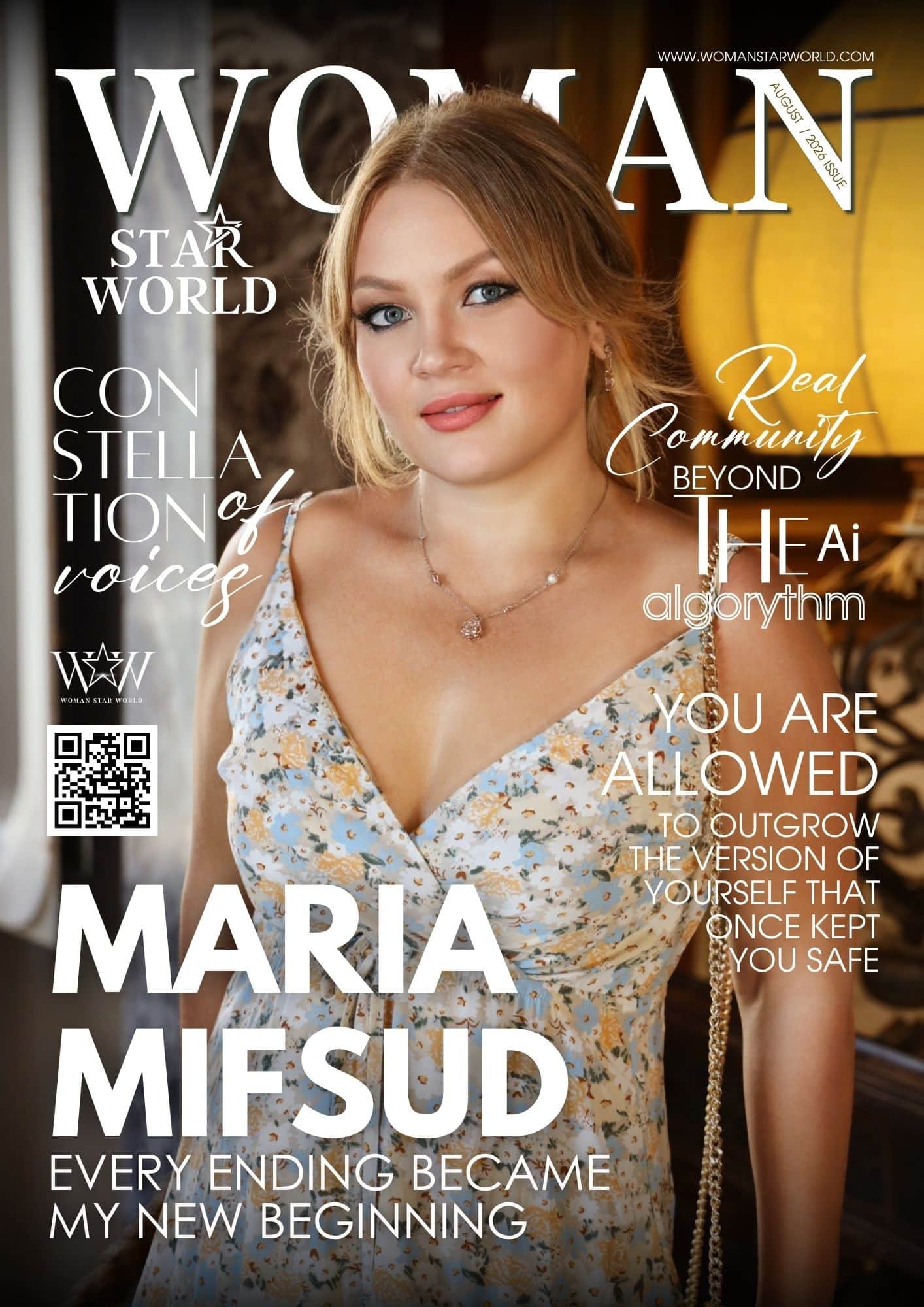
EVERY ENDING BECAME MY NEW BEGINNING
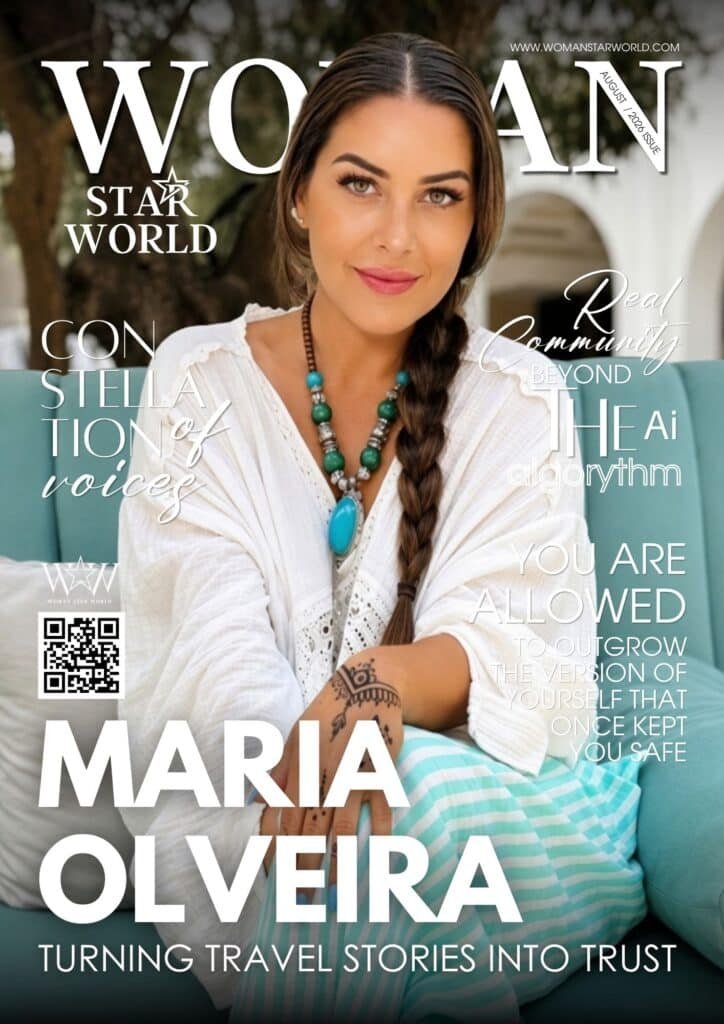
Before Malta, before Dubai, before marriage and motherhood — who was Maria growing up in Crimea, and what did you believe your future would look like at that time?
I grew up in Crimea in a loving family. My mother was a teacher and my father was an engineer. They worked hard and gave me everything they could — not necessarily everything in a material sense, but love, education, values and the belief that I should build something for myself.
I studied International Relations and Politics at university, and at that age I imagined my future would somehow follow that direction. During my final year, I had the opportunity to do an internship at the Ministry of Foreign Affairs, which gave me my first experience in a professional environment connected to my studies. I also worked at the university as a lecturer for a period of time.
After university, however, life took me in a different direction. I needed to become financially independent and stand on my own feet, so I moved into the commercial sector and joined an Austrian shipping company.
At the time, I probably thought I was moving away from what I had studied. Looking back, I don’t see it that way anymore. International relations, communication, understanding different cultures and dealing with people eventually became very relevant to the international career I built later.
It was probably my first lesson in something that has repeated throughout my life: your career doesn’t always develop according to the original plan, and sometimes the unexpected direction becomes the right one.
If you had to describe your life philosophy through three mottos, what would they be, and why does each one matter to you?
The first one is my favourite quote:
“She thought she could, so she did.”
I have loved this quote for a long time because it is very simple, but it describes so many moments of my life. Sometimes you have to believe in yourself before there is any evidence that things are going to work out.
I have made decisions without knowing exactly what would be waiting for me on the other side. Believing that I would find a way was often the first step.
My second would be:
“Never be afraid to start again.”
I have started again in different countries and at different stages of my personal and professional life. Starting again doesn’t mean that everything you did before was wasted. You take your experience with you.
And the third:
“Never lose yourself while building a life with others.”
Family and motherhood are enormous parts of who I am, but independence has always been important to me. I believe a woman can love and care for her family deeply while still having ambitions, dreams and an identity of her own.
Your first major relocation took you from your home country to Malta. What do you remember most vividly about arriving in a new country and realizing that you had to build your life almost from zero?
I moved to Malta after meeting my husband, who is Maltese. When you move for love, people sometimes imagine the romantic part of it — a new country, a new life, sunshine and excitement.
The reality can be very different.
I had left behind everything that was familiar to me. I had an education and had already started working, but suddenly I found myself in a country where none of that automatically translated into opportunities.
While sorting out my documents and residence, I struggled to find a decent job. Then I became a mother for the first time, which was another enormous transformation in itself.
But one thing was very clear to me: I didn’t want to give up my independence. I wanted to be a mother and a wife, but I also wanted to know that I could stand on my own feet.
My first real opportunity in Malta came when I found a job in a jewellery store at the airport. It wasn’t where I had imagined my university education would take me, but I was grateful for it.
I worked with an amazing team and had wonderful people around me who believed in me and saw abilities in me that perhaps I needed to rediscover in myself at that time.
That job became much more important to my story than its title might suggest. It gave me a starting point in my new country.
Immigration changes far more than an address. How did living abroad change your character, your confidence and the way you see yourself?
Immigration teaches you very quickly that nobody knows your history.
People don’t know what you studied, what you achieved before or what kind of person you were in your home country. You arrive somewhere new and, in many ways, you have to prove yourself again.
At first that can affect your confidence. But eventually it can have the opposite effect.
Once you have rebuilt yourself once, you realise: I can do this.
Living abroad made me much more adaptable and much less afraid of change. It also made me understand that confidence doesn’t come from having everything under control.
Sometimes confidence comes from knowing that even when you don’t have control, you will find a solution.
What were the hardest parts of adapting to Malta — culturally, socially and professionally — and what took you the longest to accept or learn?
Professionally, the beginning was probably one of the hardest parts for me. I wanted to work, develop and be independent, but when you are new to a country, dealing with residence documents and trying to establish yourself, opportunities don’t necessarily come immediately.
There was also another adjustment that people don’t always think about — marriage itself.
My husband is Maltese and I came from a very different cultural background. Loving someone doesn’t automatically mean you understand each other’s mentality. We had different ways of communicating, different expectations and different ways of seeing certain things.
There were ups and downs, and sometimes I had to understand whether something was about us as two people or simply about two very different cultures learning how to live together.
It was also important to remember that while Malta was completely new to me, it was home to my husband. He already had his country, his family, his friends, his culture and everything familiar around him. I was the one who had left my familiar world behind and had to create a new one.
And this is where people became incredibly important in my story.
I was lucky to meet friends who supported me during some very difficult periods of my life. Some guided me, some mentored me, and some simply listened when I needed someone. There were moments when another person’s belief in me was stronger than my own.
I don’t believe anymore that strength means doing everything alone. Sometimes strength is also knowing who you can trust, accepting someone’s hand when it is offered and remembering to offer yours when somebody else needs it.
There are people I met along the way without whom my journey would have been much harder — and perhaps very different. I will always be grateful for that.
Malta became the place where you got married, created a family and became a mother. At what point did it begin to feel like home rather than a foreign country?
I don’t think there was one particular day when Malta suddenly became home.
It happened gradually.
My family life was created there. I became a mother there. I built friendships, routines and eventually a career. I knew the places, the people and the way life worked. At some point, I stopped feeling like someone temporarily living in somebody else’s country.
Malta became part of my identity because so many important versions of me were created there: wife, mother and eventually the professional woman I wanted to become.
It also taught me that home doesn’t necessarily have to be just one place.
For me now, home is not simply where you were born. Home is also the life and relationships you create.
After creating an established life in Europe, you moved again, this time to Dubai. What made you willing to leave something familiar and begin another chapter from the beginning?
The move to the UAE came through a professional opportunity that changed the direction of my life.
My boss gave me the opportunity to relocate and trusted me with that next step. His support didn’t begin with the relocation either. He had supported my professional development throughout my career, believed in my abilities and gave me opportunities to grow.
I think good leadership can have an enormous impact on someone’s life. Sometimes another person sees what you are capable of before you are completely ready to see it yourself. I will always be grateful for the trust and support I received throughout that journey.
Of course, I still had to make the decision to go.
By then I had created an established life in Malta. Moving meant leaving behind familiarity, routines and the security of knowing how everything worked.
But there was also a part of me that thought: Why not?
I had already rebuilt my life once. I knew I could adapt, and this time I wasn’t the young woman arriving in Malta unsure of where her professional life would take her.
I was arriving with experience, a career, children, confidence and much more knowledge about myself.
The opportunity was there, somebody believed I was capable of taking it — and I chose to believe it too.
Having experienced immigration in both Europe and Dubai, what differences surprised you most? Were the difficulties of building a life in Dubai very different from those you faced in Malta?
Very different, because I was a very different woman.
When I arrived in Malta, I was younger and still trying to understand who I was professionally. I had to build my network, establish my independence and find my direction.
When I moved to the UAE, I arrived with years of professional experience, motherhood, confidence and the knowledge that I had already built a life from almost zero once before.
Dubai is also incredibly international. So many people have come from somewhere else that being an expatriate doesn’t make you unusual. Everyone seems to have a story about where they came from, what they left behind and why they are here.
The challenge in Dubai wasn’t discovering whether I could build a life abroad. I already knew I could.
It was discovering what kind of life I wanted to build next.
Europe and the UAE have very different cultures, professional environments and social rhythms. In which place did you find it easier to establish yourself, and in which place did you feel you had to adapt the most?
Malta required the biggest personal adaptation because it was my first immigration experience.
Everything was new — the culture, the language environment, professional expectations, relationships and motherhood.
The UAE is culturally very different from Europe, but ironically I felt more prepared for those differences because I had changed too.
Professionally, Dubai has a very ambitious energy. Things move quickly and there are people from all over the world competing, creating and building. I enjoy that energy because I am naturally ambitious.
But Malta gave me something equally important: the foundation.
It is where I learned how to build.
Do you think repeated immigration teaches a person to become more adaptable, or can constantly rebuilding your life become emotionally exhausting? What has your own experience taught you?
Both.
There is a beautiful side to starting again. You discover that you are capable of much more than you thought.
But I don’t want to romanticise it. Constant change can be exhausting. Every move involves practical things, emotional things, family considerations and moments when you wonder whether you’ve made the right decision.
What repeated immigration has given me is perspective.
Very few situations frighten me in the way they might have years ago because somewhere inside me there is now this thought:
You’ve rebuilt before. If necessary, you’ll rebuild again.
That doesn’t mean it will be easy.
It means I trust myself more.
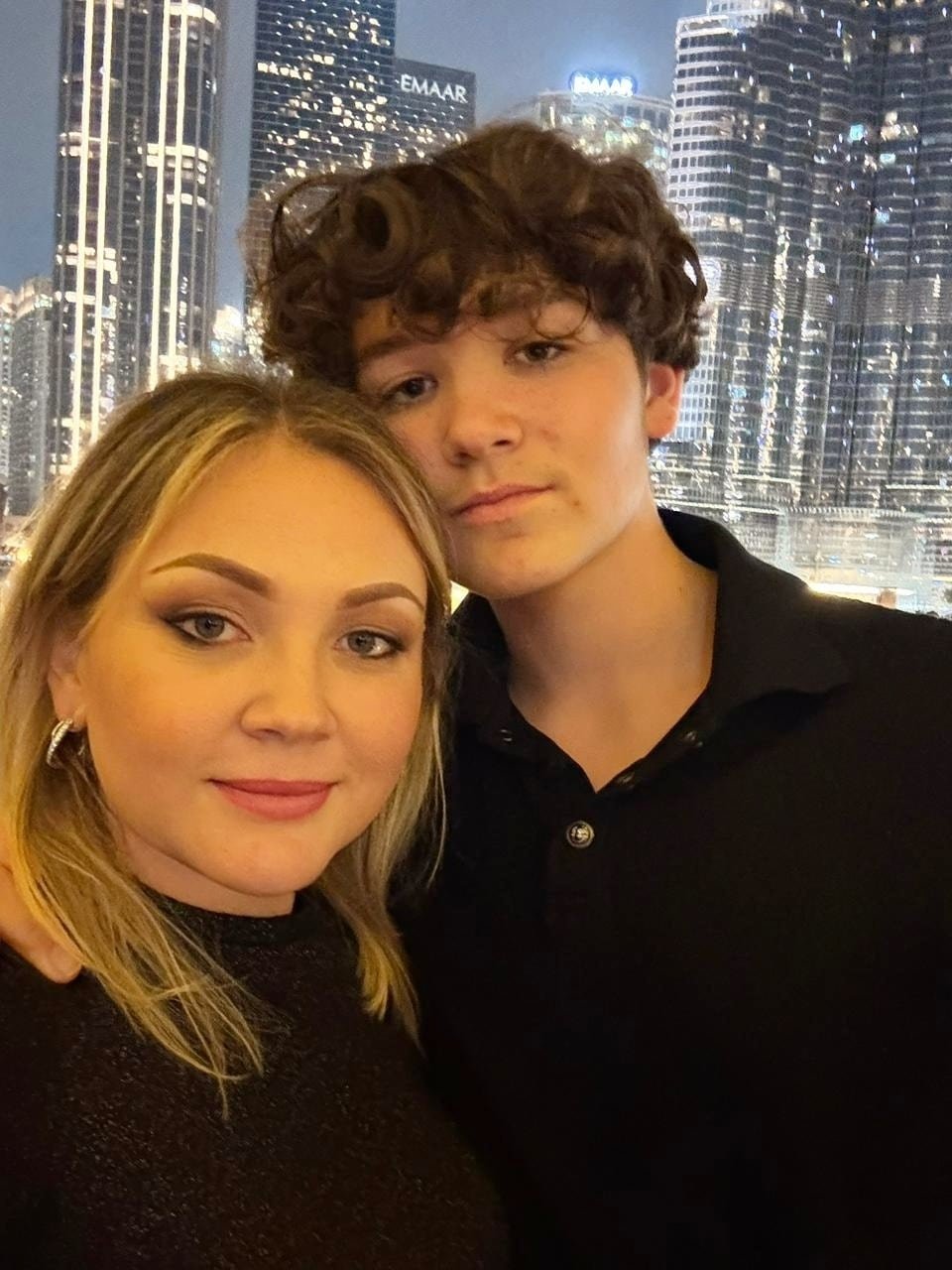
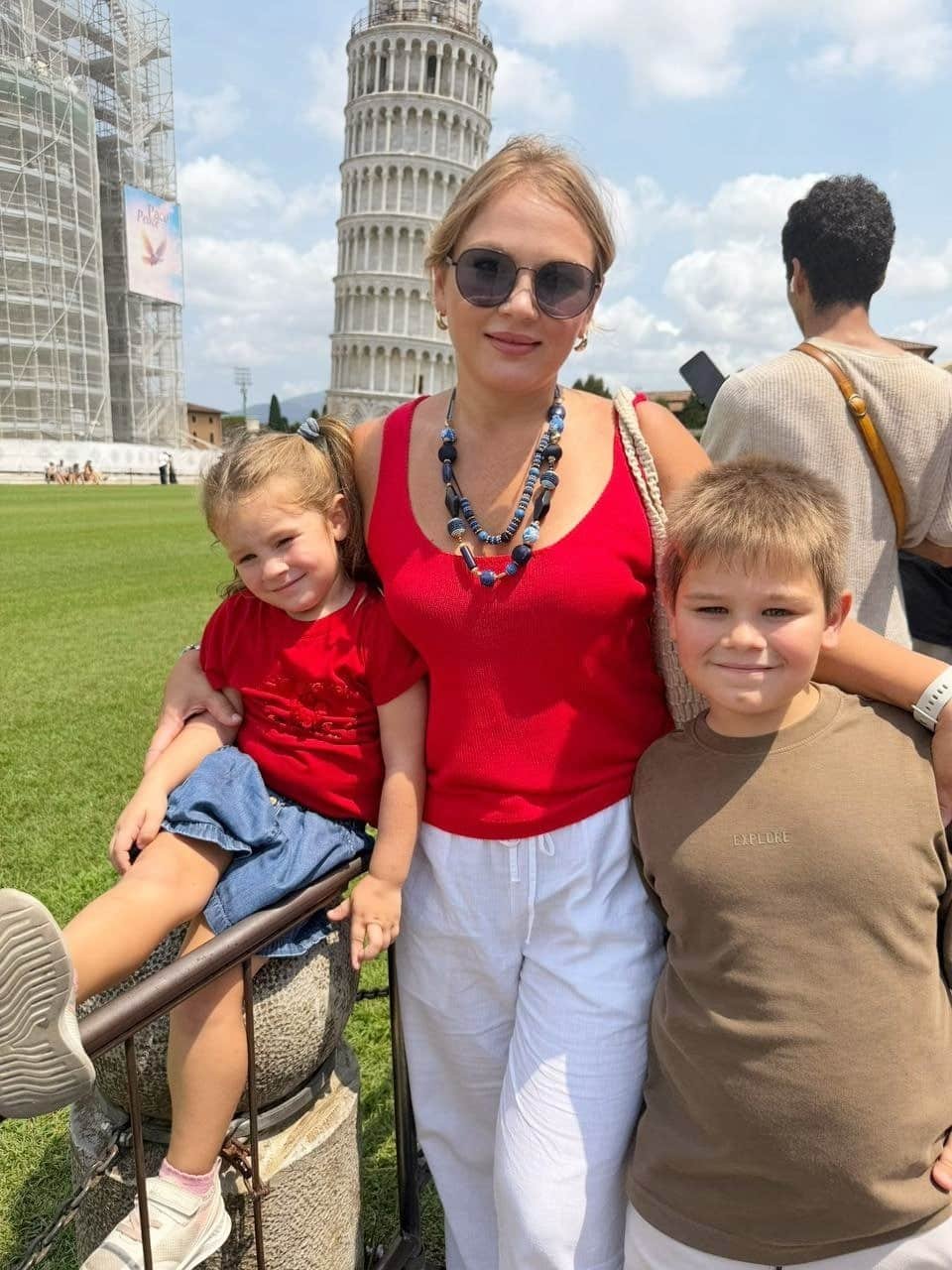
Your children have experienced major changes in countries and environments beside you. How do you give them a sense of home and stability when your family life crosses different cultures?
This is something I think about a lot as a mother.
Children need roots, but I don’t necessarily believe those roots have to exist in only one geographical place.
I try to make their roots their family — our traditions, our routines, the feeling that wherever we are, there are people who love them and are there for them.
At the same time, I think growing up between cultures can be an incredible gift. They learn that there isn’t only one way to live, one nationality or one perspective on the world.
They learn to adapt, communicate and understand differences from a very young age.
My responsibility is to give them stability within all that change and, as much as possible, make the adventure feel safe.
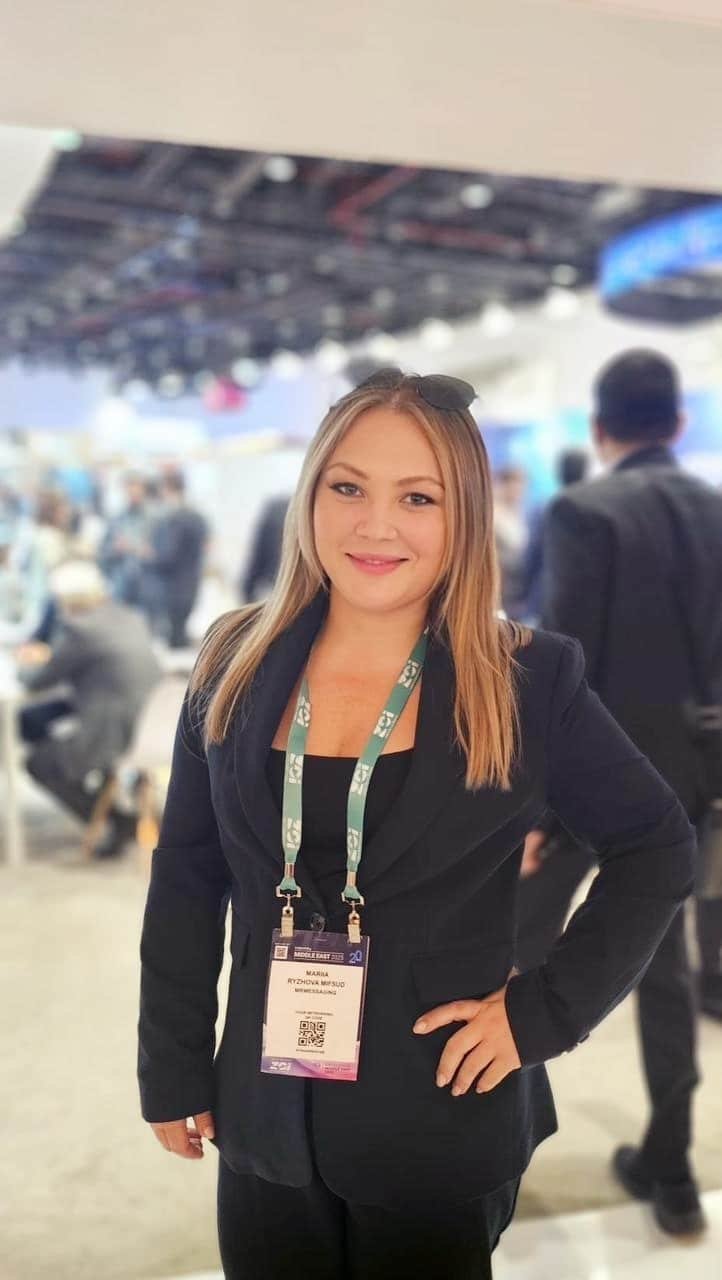
What professional chapter are you creating in Dubai now, and what have you discovered about your ambition and abilities since moving there?
My professional journey has never been a straight line.
I studied International Relations and Politics, had some early experience at the Ministry of Foreign Affairs and at my university, and then moved into the commercial world with an Austrian shipping company.
After relocating to Malta, I had to start again professionally and took a job in a jewellery store at the airport. Eventually, I felt that I had outgrown that chapter and wanted something that would challenge me differently.
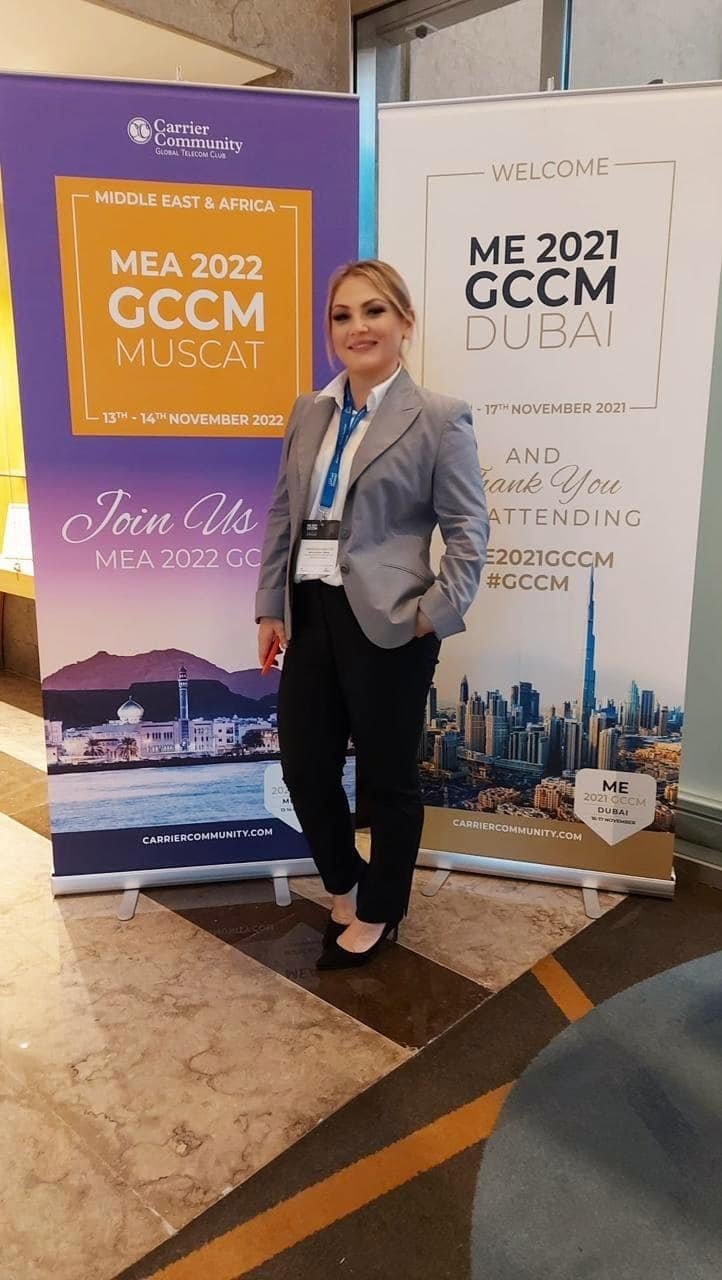
I joined a newly opened telecommunications company, and that was where something really clicked.
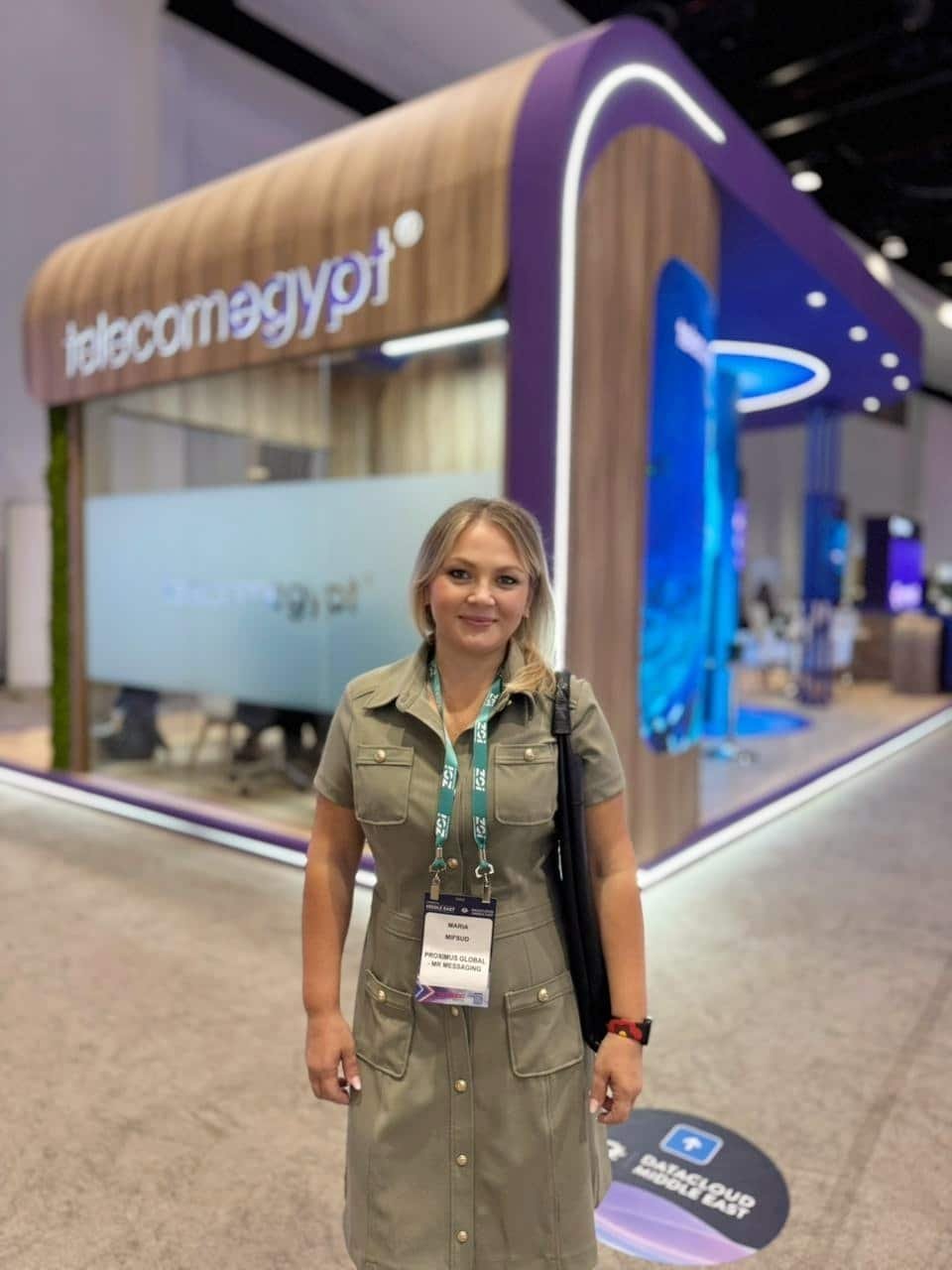
I discovered that I enjoyed the commercial side, negotiations, building relationships and working in an international environment. I worked my way up over the years, and today I sometimes think about that young woman who was struggling to find a decent job when she first arrived in Malta. She probably wouldn’t have imagined where her career would eventually take her.
Telecommunications is still a very male-dominated industry. As a woman, you have to know your subject, be confident enough to defend your position and sometimes, to put it less delicately, have more balls than the men in the room.
But I never wanted to progress simply because I was a woman. I wanted my knowledge, work and results to speak for me.
Moving to the UAE also made me realise that my ambition hasn’t disappeared as I’ve become older, a mother or more established in my career. If anything, it has grown.
I’m proud of what I’ve achieved, but I don’t feel that I’ve reached my final professional destination. I still want to grow, take on bigger challenges and see what else I’m capable of.
I think that’s something I have discovered about myself over the years: I am rarely satisfied simply staying comfortable. Once I know I can do something, I start wondering what I can do next.
I am happy with what I have achieved and the life I have created.
Let’s see what is next.
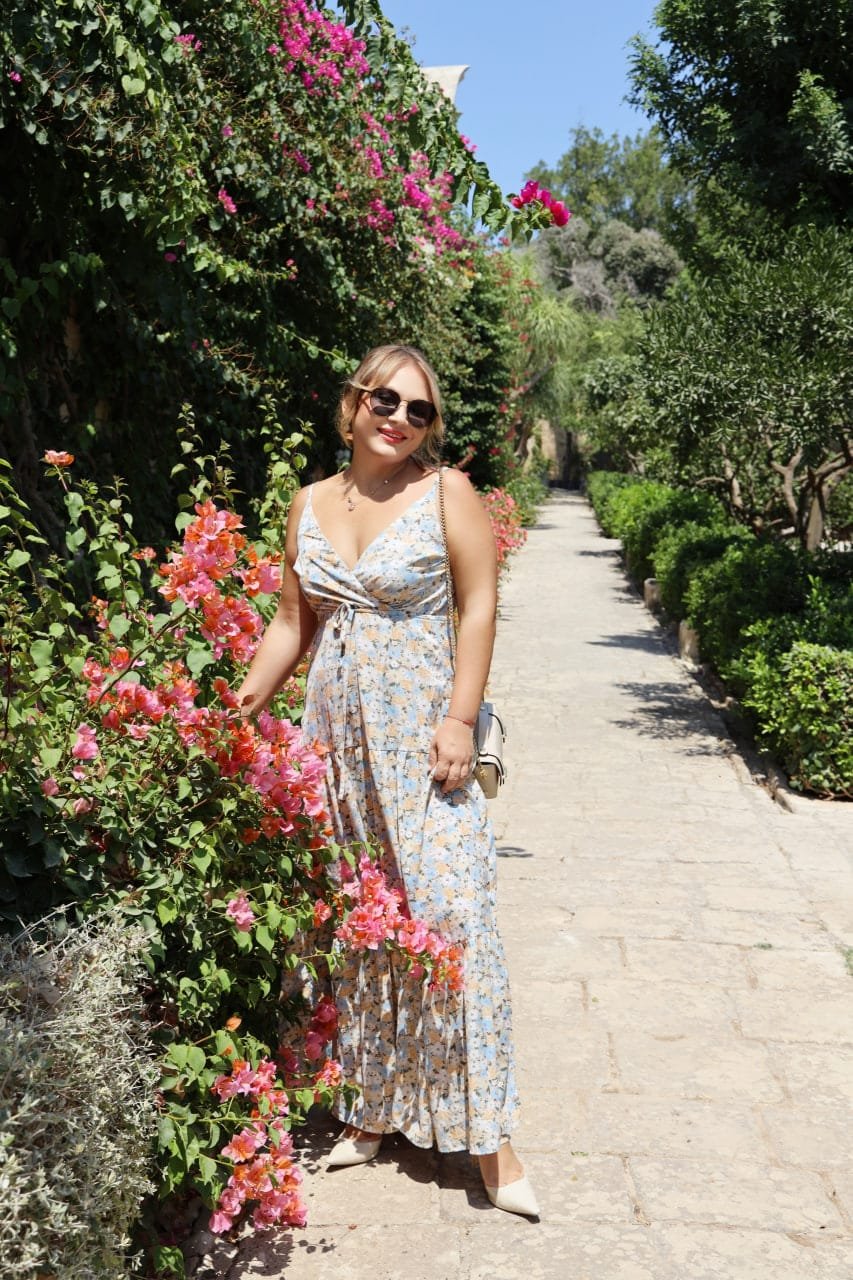
Social media often shows beautiful destinations, family moments and successful chapters. What part of your real story could someone never learn simply from looking at your photographs?
Probably how many times I have questioned myself.
A photograph captures one second. It doesn’t show what happened before it or what happened when the camera was put away.
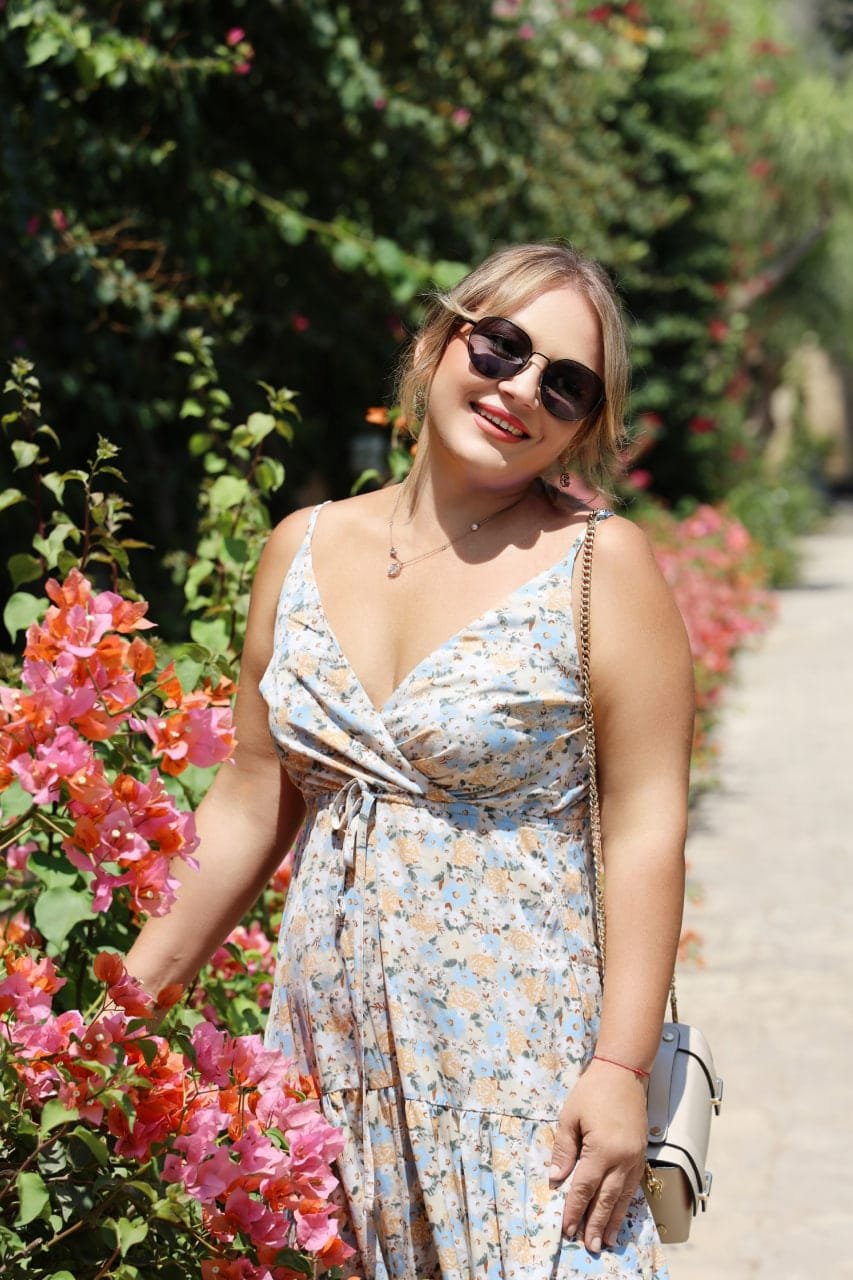
People may see travel, children, career achievements or a woman dressed nicely and smiling. They don’t see the uncertainty behind major decisions, the exhaustion, the sacrifices, the times something didn’t work, or the private moments when you have to collect yourself and continue.
They also don’t necessarily see the people who helped you through those moments.
I don’t think social media is necessarily fake. It’s simply incomplete.
There are beautiful moments in my life, and I’m grateful for them. But there have also been difficult chapters.
Both are real.
When you look at the young woman who left home, the woman who built a family in Malta, the mother who experienced major changes in her body and identity, and the woman creating a new life in Dubai today — what does starting again mean to you now?
When I was younger, starting again felt like losing everything and going back to zero.
I don’t see it that way anymore.
You never really start from zero.
Every version of you comes with you.
The young woman who grew up in Crimea and studied International Relations came with me to Malta. The woman who had already started building a professional life became an immigrant struggling to find her place again. The woman working in a jewellery store eventually found her way into telecommunications and built a career. The professional woman became a mother. The mother who sometimes put herself last eventually learned that taking care of herself mattered too.
And all of those versions of me came with me when I started another life in the UAE.
But when I look back, I also realise that my story isn’t only about my strength.
There were people standing at important crossroads with me.
Friends who supported me through difficult moments. People who guided and mentored me when I didn’t know which direction to take. Colleagues who encouraged me. People who saw something in me and gave me opportunities. And a boss who believed in my professional abilities, supported my growth and ultimately gave me the opportunity that brought me to the UAE.
Some people stay in your life and some are there only for a particular chapter, but that doesn’t make their impact less important.
I think we sometimes celebrate strong women by saying, “Look at everything she did by herself.” But I don’t think doing everything alone should be the definition of strength.
I worked hard. I didn’t give up. I made difficult decisions and took responsibility for my life.
But I was also lucky enough to have people who reached out their hand when I needed one.
And I am grateful enough to remember those hands.
Every chapter has left me with something — experience, confidence, mistakes, memories, lessons and people.
Today, starting again doesn’t scare me in the same way.
It means accepting that I may not know exactly what is coming next, but trusting myself enough to know that I will find my way.
Maybe that’s why my favourite quote still means so much to me:
“She thought she could, so she did.”
I did.
And I’m still doing it.
Let’s see what comes next.
MEET MARIA HERE