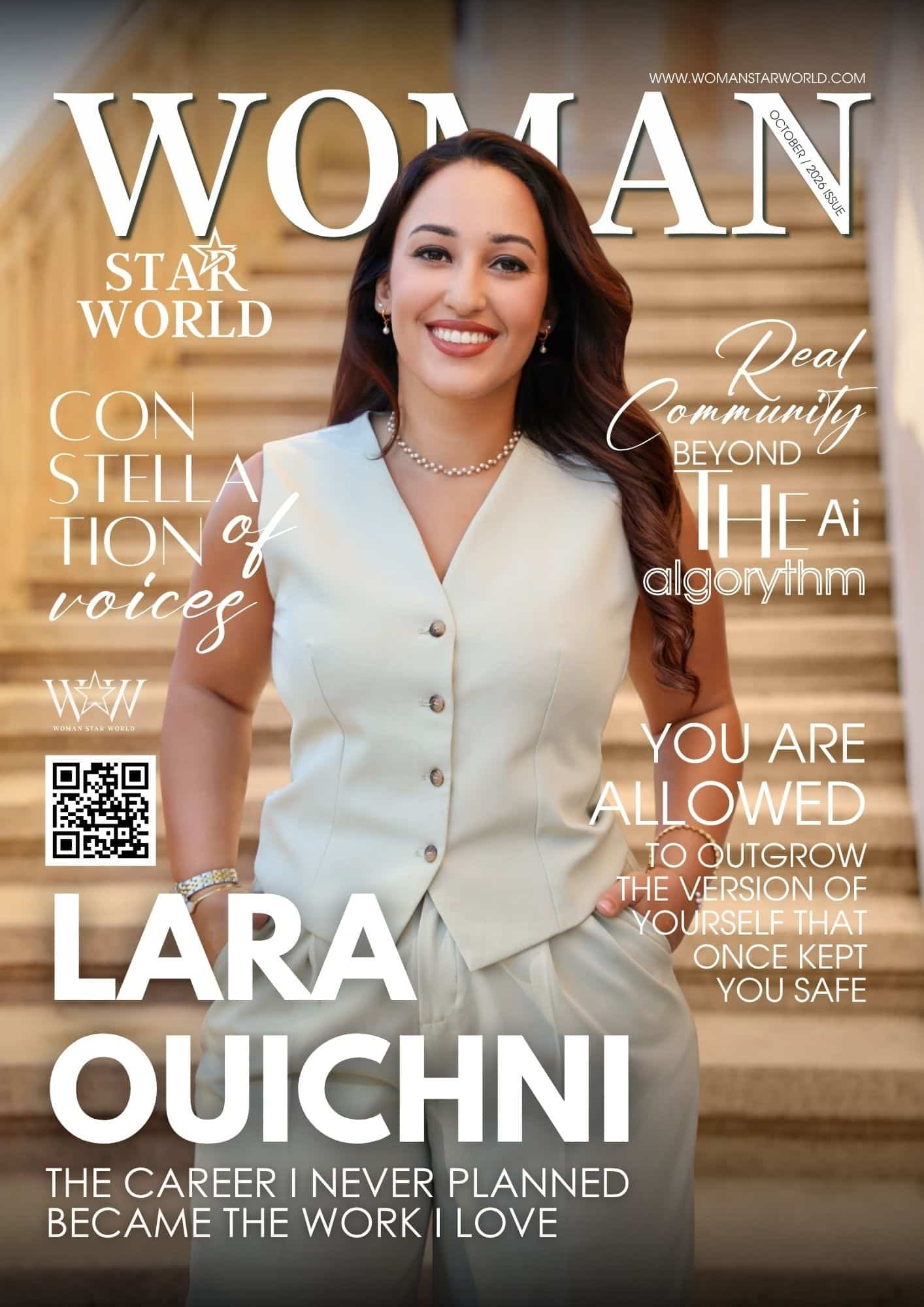
THE CAREER I NEVER PLANNED BECAME THE WORK I LOVE
As a child, becoming an accountant was never part of my plan. I watched my father build his accounting practice through his thirties and forties and saw the long hours, stress and responsibility involved. Some children want to follow their parents’ careers. I was firmly in the opposite camp.
I loved languages and travel. I pictured myself working on yachts or cruise ships, becoming a translator and exploring the world. Then, during a school career guidance meeting, I learned that a Master’s in Translation would first require an undergraduate degree in another field. Accounting seemed a practical second option.
After one summer of tuition, I sat for my Accounting O-Level and discovered something unexpected: it came naturally to me. I enjoyed the logic, structure and problem-solving. What had started as a backup plan became a career.
I completed my degree and pursued a Master’s in Accountancy, working at my father’s firm, first part-time and then full-time. I began with filing, making coffee and answering calls, gradually progressing to managing client relationships and leading teams. Today, I am Director of Client Accounting at CLA Malta, a firm of more than 150 professionals.
Ironically, I still tell people I was never particularly good at maths. What interests me is what the numbers represent.
Accounts tell the story of a business: where it is doing well, where it is struggling and which decisions need attention. Sometimes the picture is encouraging; sometimes it is difficult to face. Having that picture gives an owner the chance to act before a problem becomes a crisis.
The greatest lessons often come from the least orderly situations. Organised clients are a pleasure to work with, but incomplete records, cash-flow difficulties, fast growth and complicated restructurings demand more of you. They make you research, ask better questions and develop your expertise. They can offer the chance to make a meaningful difference to someone’s business.
One company we worked with was preparing to acquire an industrial plant. The owners felt confident that the bank financing they planned to request would cover the investment and that the group could absorb the additional demands.
Our cash-flow projections told a different story. The funding requirement had been significantly underestimated. Without substantially more financing, the acquisition could have put severe pressure on the group’s liquidity and placed the entire business at risk. Identifying this before the purchase gave the company time to restructure its financing and proceed on a safer basis.
Pricing needs to reflect expertise, experience, overheads and the results delivered. Looking at competitors’ fees gives only part of the picture. One of the most frequently overlooked costs is your own time.
That experience reinforced a lesson I return to often: belief in a business needs the support of detailed financial analysis.
This matters just as much at the beginning, when a business may still be little more than a talent and an idea. Many women build something around a passion they have held for years. I admire their persistence, but emotional commitment can make it difficult to recognise when a project is no longer financially viable. We can keep investing time, money and energy long after the figures suggest a change is needed.
Knowing when to adapt, change direction or stop investing is part of entrepreneurship. Recognising that moment early can save considerable stress and resources.
Preparation starts with accepting how different self-employment is from a salaried role. Income is no longer guaranteed, and the responsibility for creating opportunities and keeping the business moving rests with you. Some months will be excellent; others will test you. Before starting, I encourage people to assess their financial exposure and avoid risking more than they can realistically afford to lose.
The first year deserves particular attention. It establishes habits and decisions that can affect the business for years. Yet it is easy for financial planning to slip down the list when you are developing a product, finding customers and building a brand.
I have met clients who sought advice only after choosing an unsuitable business structure, missing funding opportunities or committing to investments that strained their cash flow. In Malta, I have seen entrepreneurs discover grants and tax credits after the relevant deadlines had passed.
An accountant should help you plan what comes next, rather than simply report what has already happened. Seeking advice early gives you the chance to make those initial decisions with a clearer view of their consequences.
From there, the daily habits matter. Separate personal and business finances. Save, and reinvest carefully. Enjoying the rewards of your work has its place, but the business needs reserves for taxes, unexpected expenses and future opportunities.
Good records support all of this. Bookkeeping is easy to postpone when clients need your attention, yet missing invoices, incomplete documentation and late submissions can create stress, penalties and difficulties obtaining finance. Keeping records in order makes future decisions easier.
Those records can reveal another problem I see frequently: talented women charging too little. Fear of losing clients, or discomfort with asking for a higher fee, can lead someone to focus on being affordable without checking whether the price sustains the business. The result can be a full diary, constant work and very little financial reward.
Take a cake order. Ingredients are an obvious expense. Less visible are the hours spent sourcing supplies, discussing the order, preparing, baking, decorating and handling the administration. All of that work belongs in the calculation. The same principle applies to consultants, designers, accountants and retailers.
Being busy can conceal these problems for a long time. The question is what keeps you occupied and what you receive in return.
I have seen businesses with full order books, attractive offices and a strong social media presence struggle behind the scenes. Cash flow often provides the first warning. If customer payments must arrive before suppliers can be paid, everyday expenses depend on an overdraft, or tax obligations are becoming difficult to meet, the finances need closer attention.
Owners need to know their margins, monthly costs and whether each sale makes money. Growth can create further strain if the working capital needed to support it is missing.
We see this in some second- and third-generation family businesses after leadership changes. Larger offices, expensive branding, company cars and ambitious growth can take priority over the financial discipline that helped the previous generation build the firm. A modest-looking business with healthy finances may be in a much stronger position than one with impressive appearances.
Financial success brings another question into focus: can the business operate without its owner handling every task?
That takes systems, delegation, training and trust. I ask managers whether they share their knowledge, give their teams responsibility or have become the person every decision must pass through. Could they step away for a week and leave the business functioning smoothly?
For online and product businesses, the same questions apply. Streamlining processes, automating suitable tasks and choosing what to outsource can make a business more sustainable and better equipped to grow.
None of this requires an owner to become an accountant. It requires financial information they can use.
Women and men can both feel intimidated by numbers. In my experience, the difficulty is often knowing what the figures mean for their own decisions. One of the most rewarding parts of my work is translating reports into plain language: Am I making money? Can I afford to hire someone? Is this product profitable? Can I buy the next property?
When the information connects to a practical question, I often see clients grasp the wider picture almost immediately. My advice is to keep asking questions until the figures make sense.
For any woman hoping to turn her talent into a serious business, I would say: believe in yourself, and give that belief a practical foundation. Know your numbers, price your work properly, keep good records and seek advice when you need it.
Choose people who support you, challenge you and contribute expertise you do not have yourself. You do not need every answer before you start, and waiting to feel completely confident can keep you standing still. Confidence grows through action.
Your talent may open the door. Consistency, resilience and good financial decisions help you build a business that lasts.
GET IN CONTACT WITH LARA