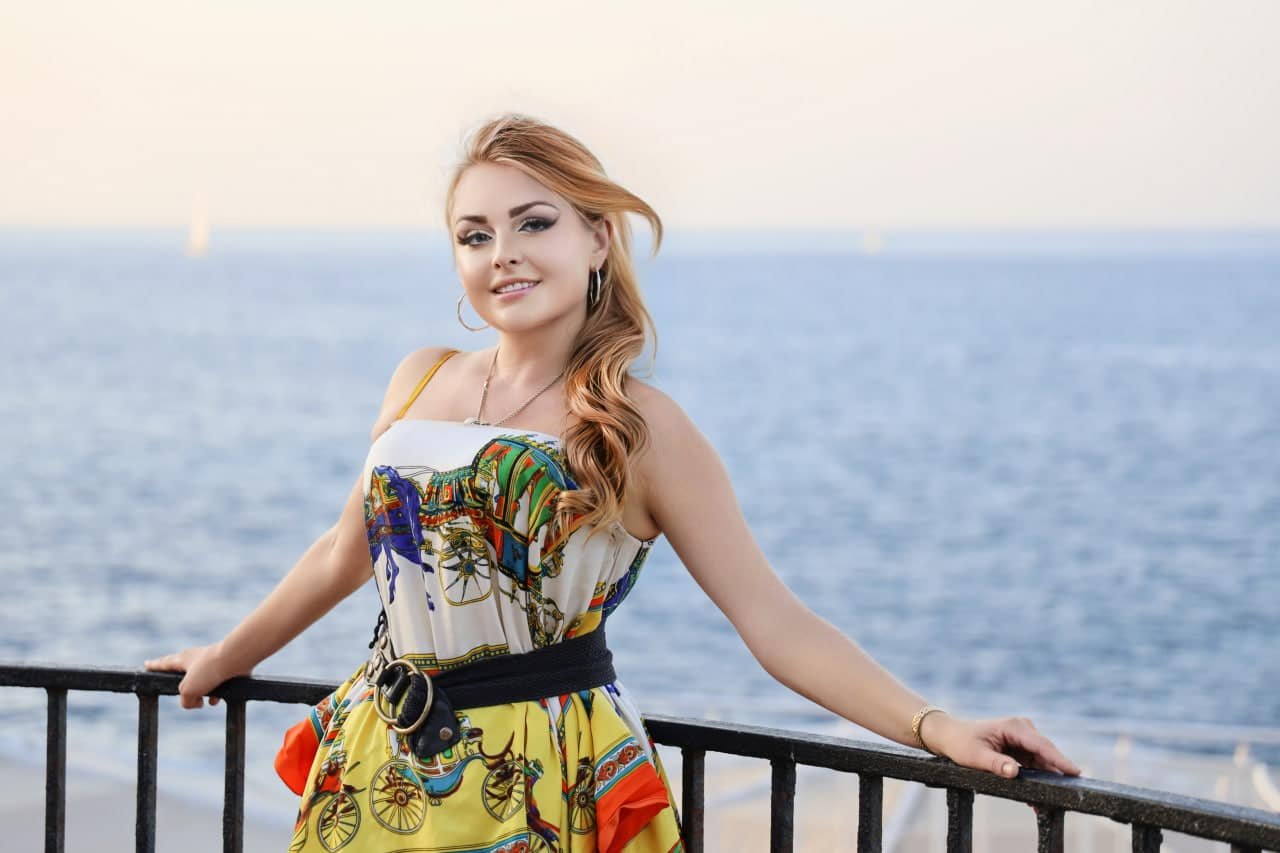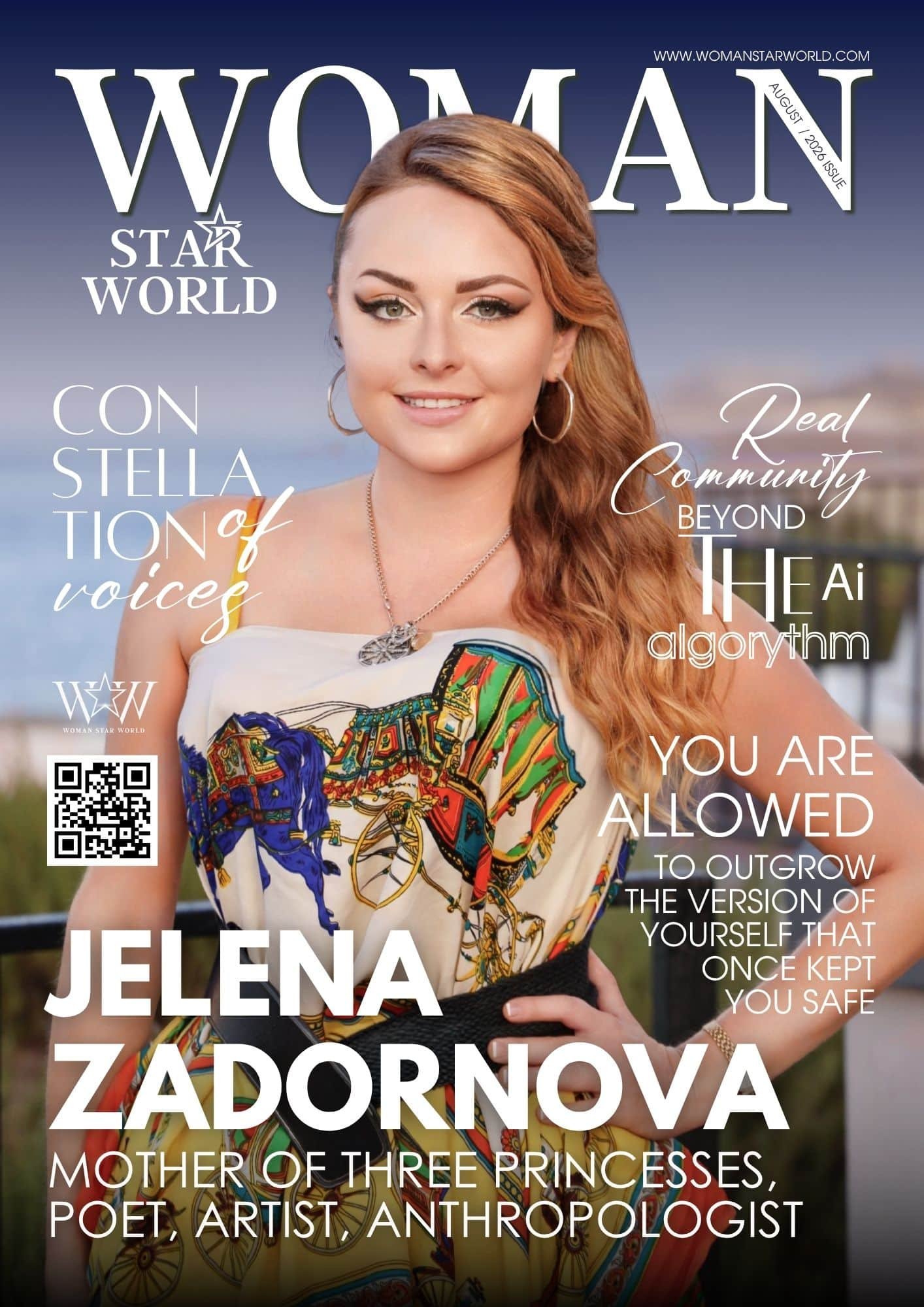
MOTHER OF THREE PRINCESSES, POET, ARTIST, ANTHROPOLOGIST
What are the three mottos you live by — the phrases that best describe your philosophy of life?
Love. Live. Cherish what you have — and be grateful for everything life has given you.
If you had to introduce Jelena without mentioning your surname, profession, family or achievements, who would you say you are?
I am a creation of God and of my amazing parents. I think that, in itself, says more than enough about who I am.
You were born from a rather unconventional love story. What did your parents teach you about love and partnership?
I witnessed an extraordinary amount of love between my parents. Yet when it came to my own life, I still had to discover love for myself.
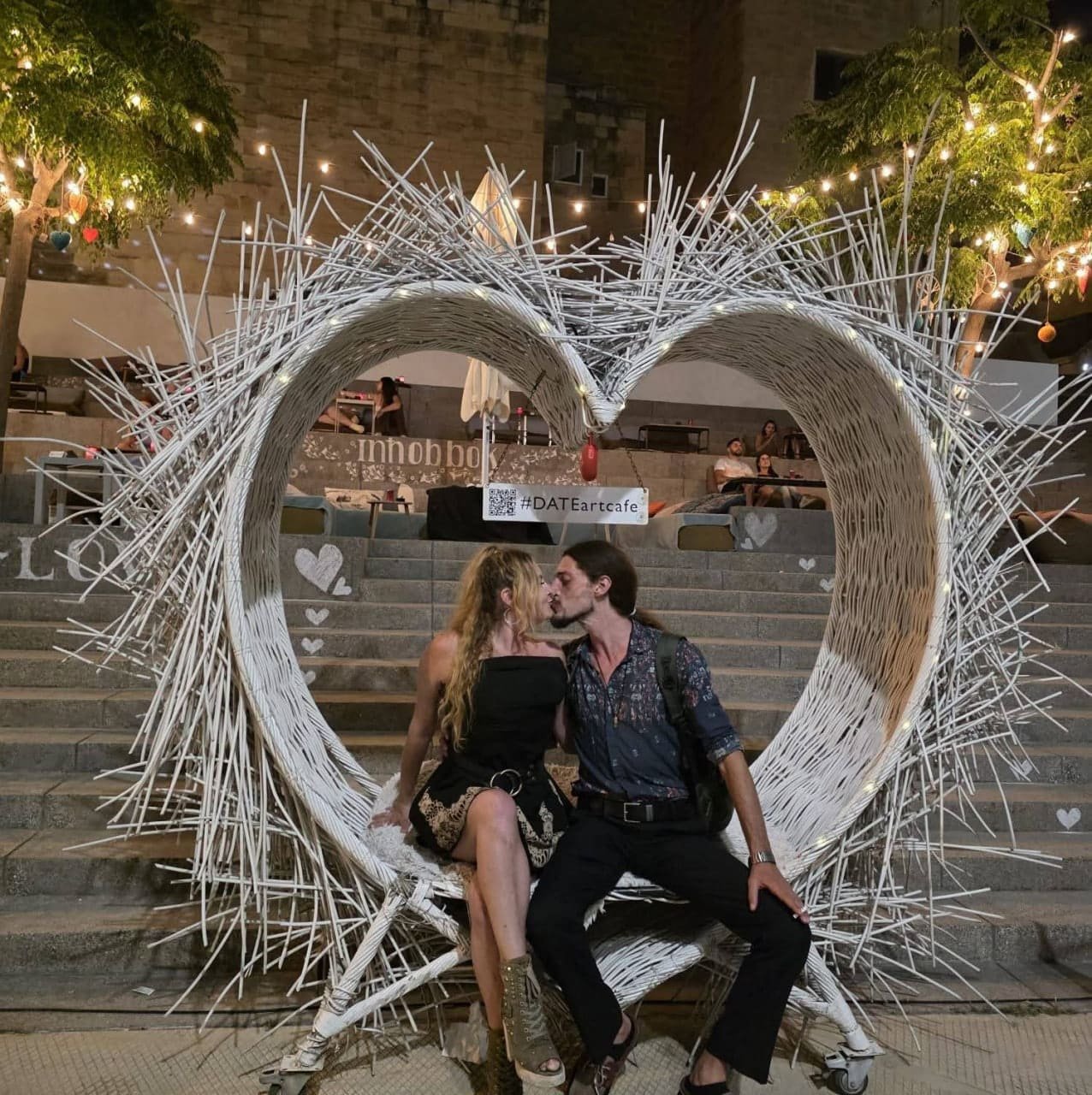
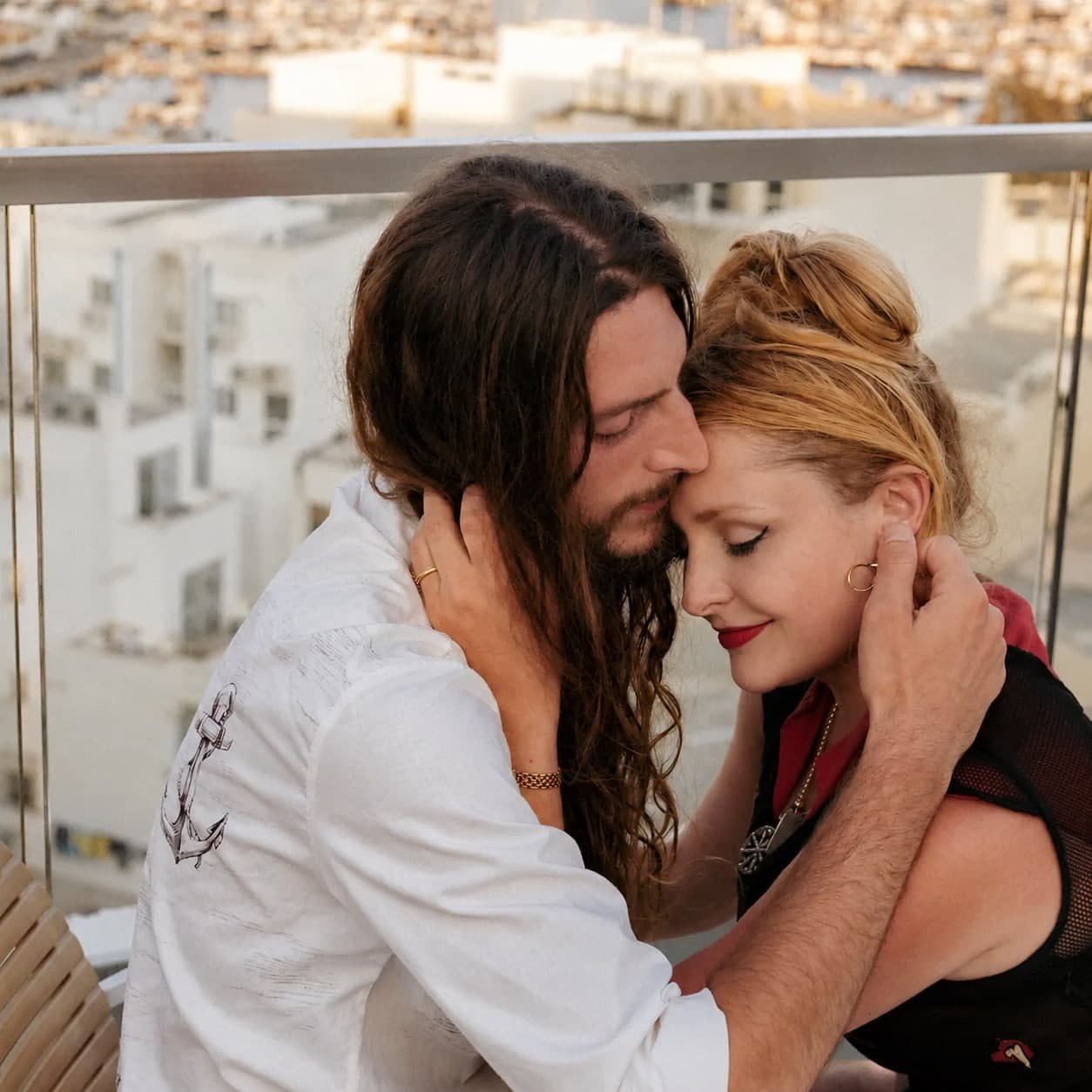
When I met my husband, I understood something very clearly: meeting the right person isn’t the happy ending. It is the Happy Beginning.
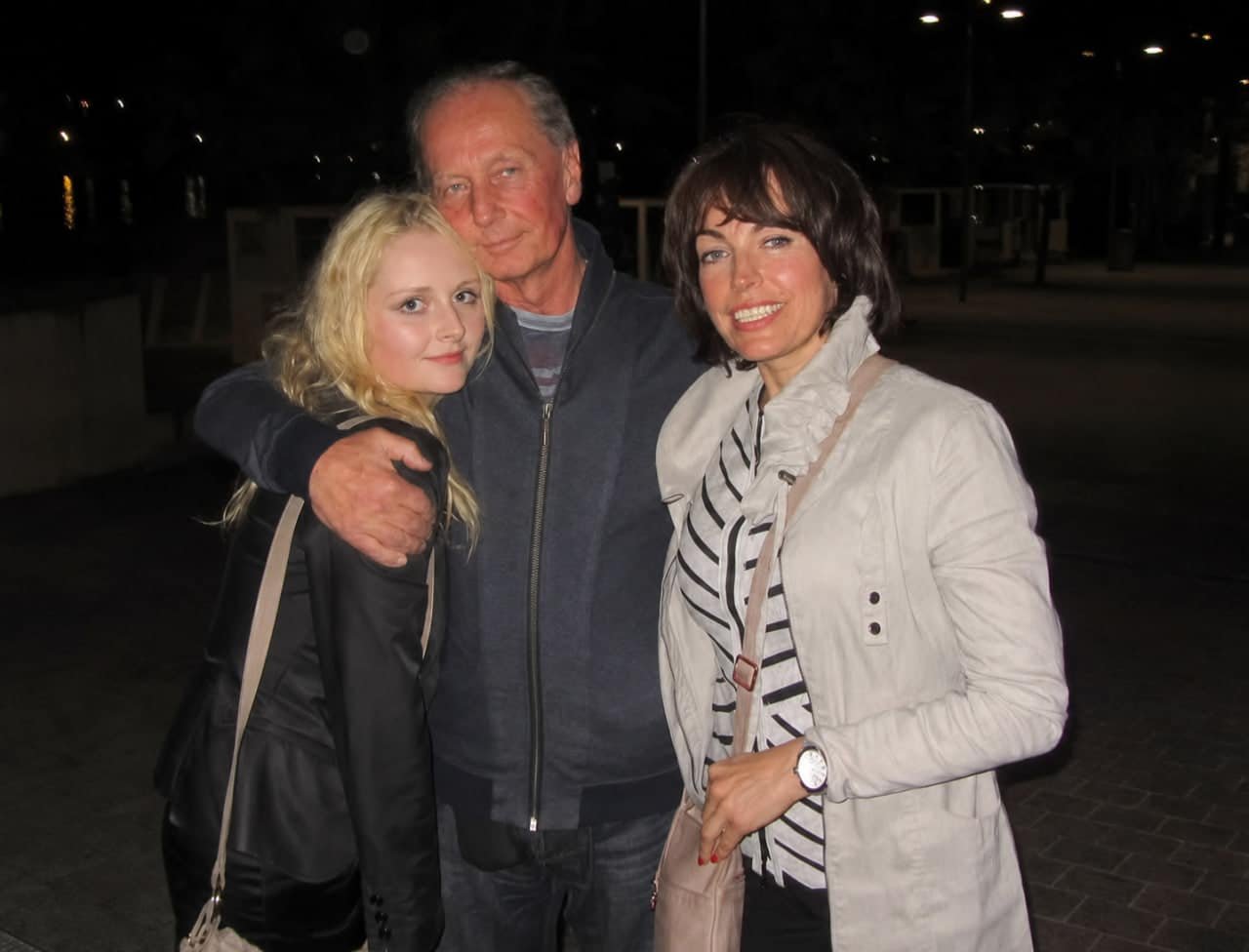
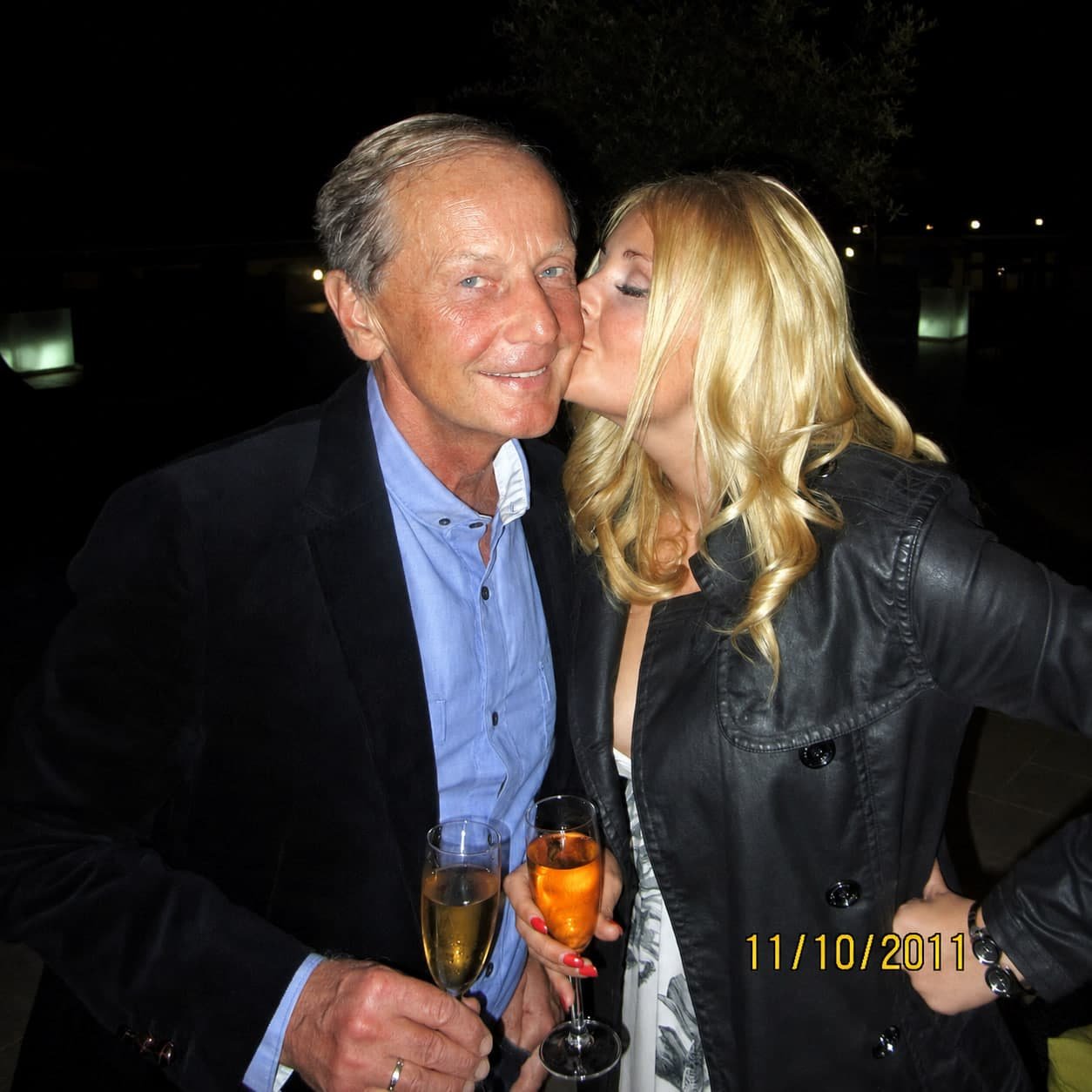
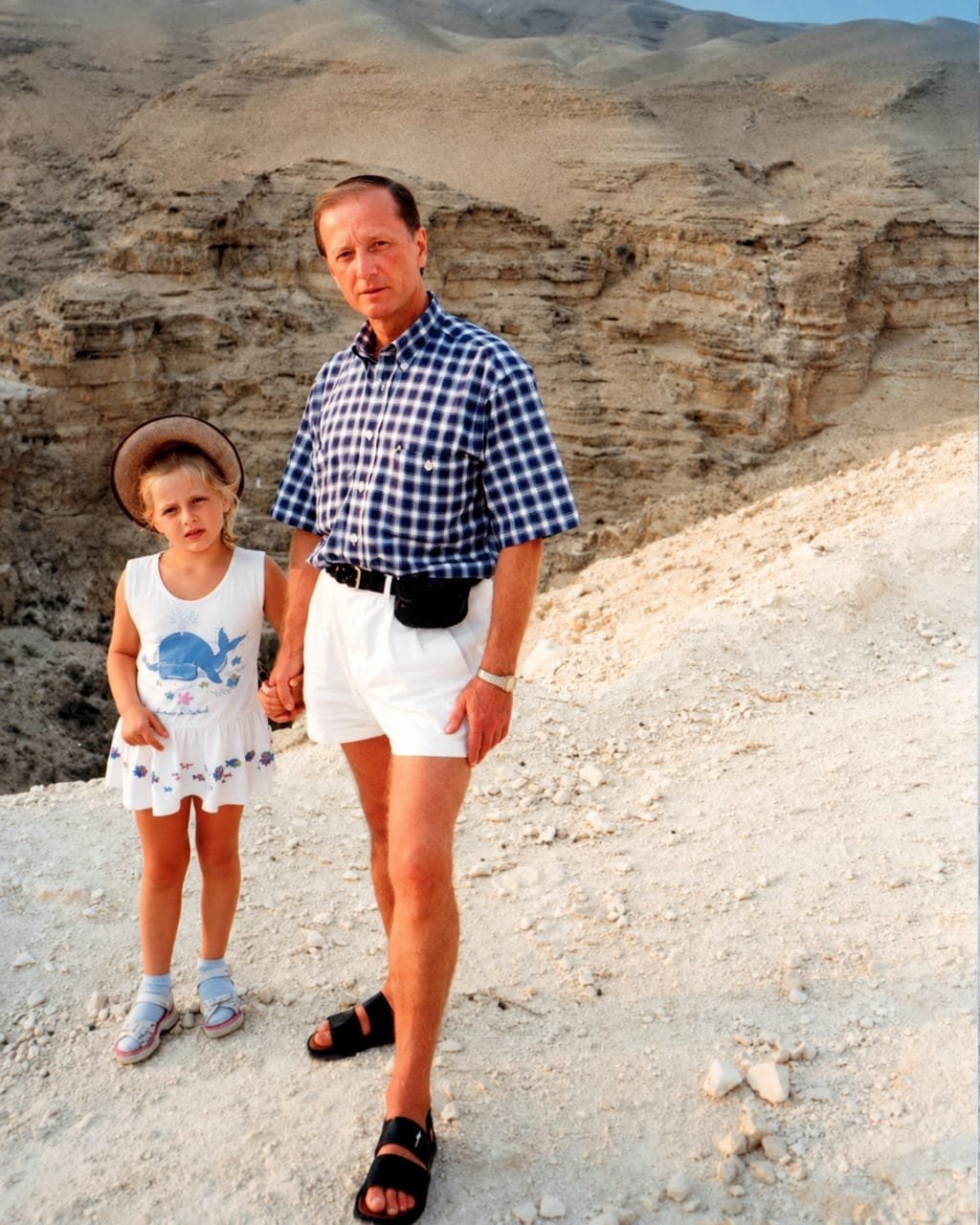
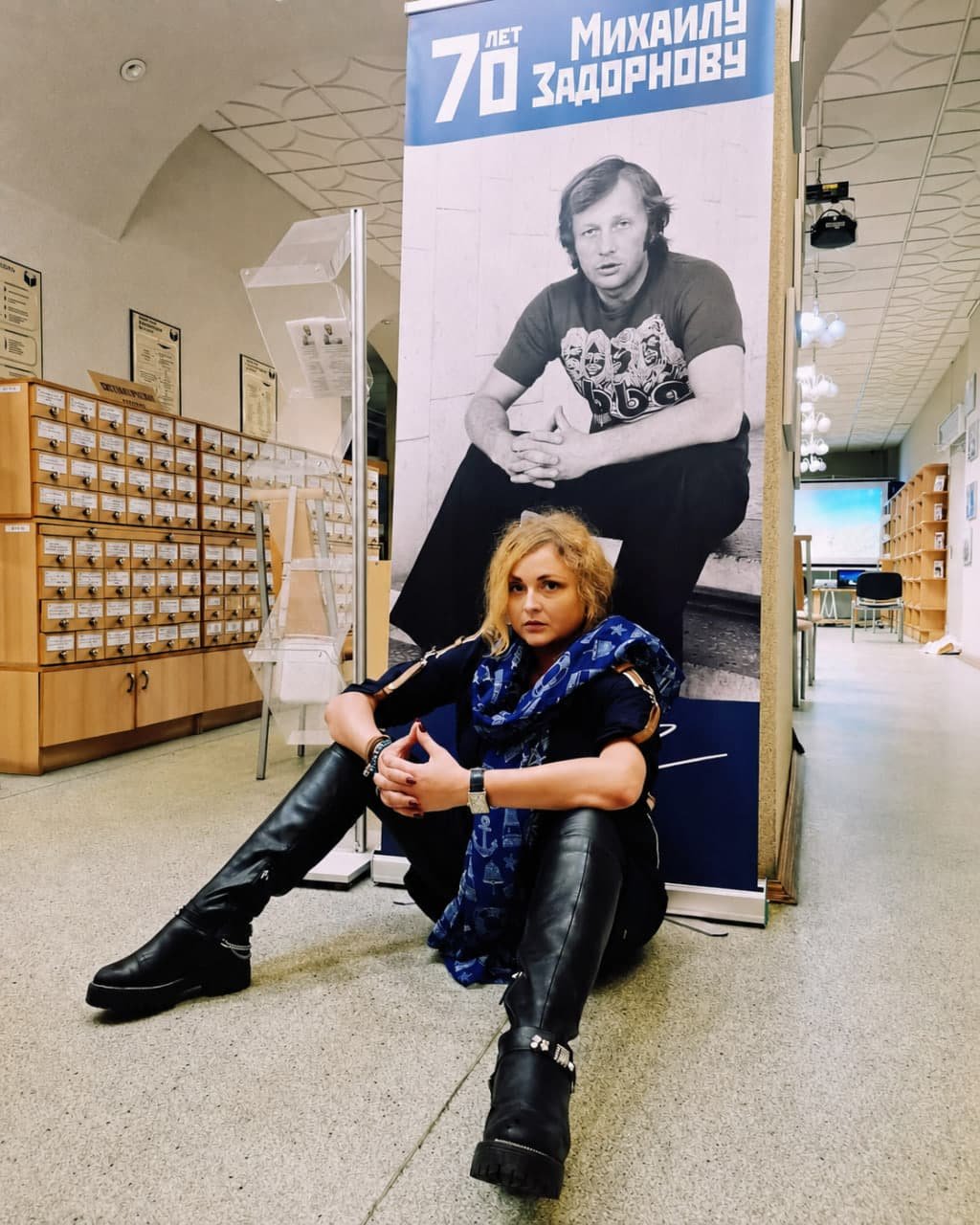
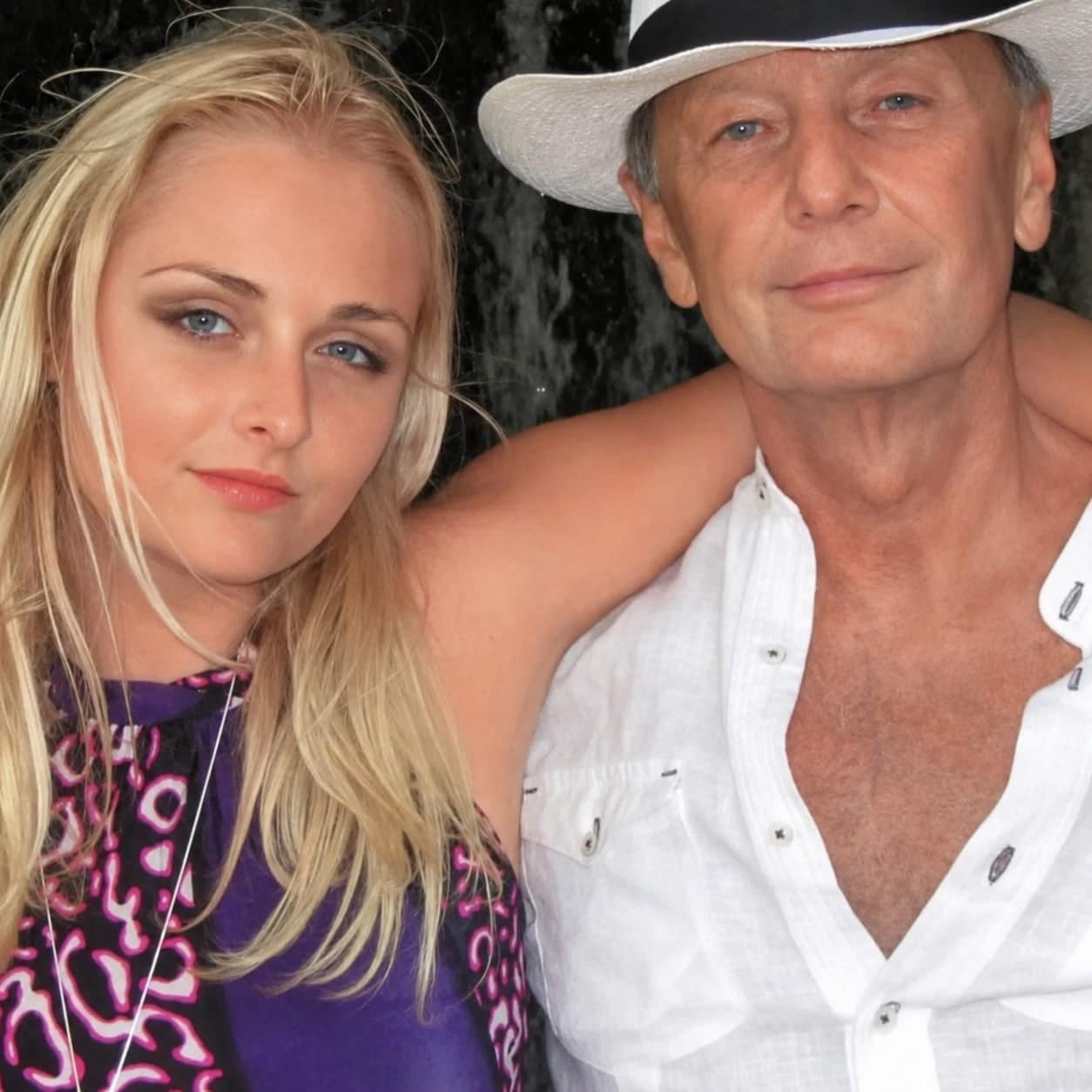
Your father, Mikhail Zadornov, was an iconic personality for millions. What was he like when he was simply Dad, away from the stage and public attention?
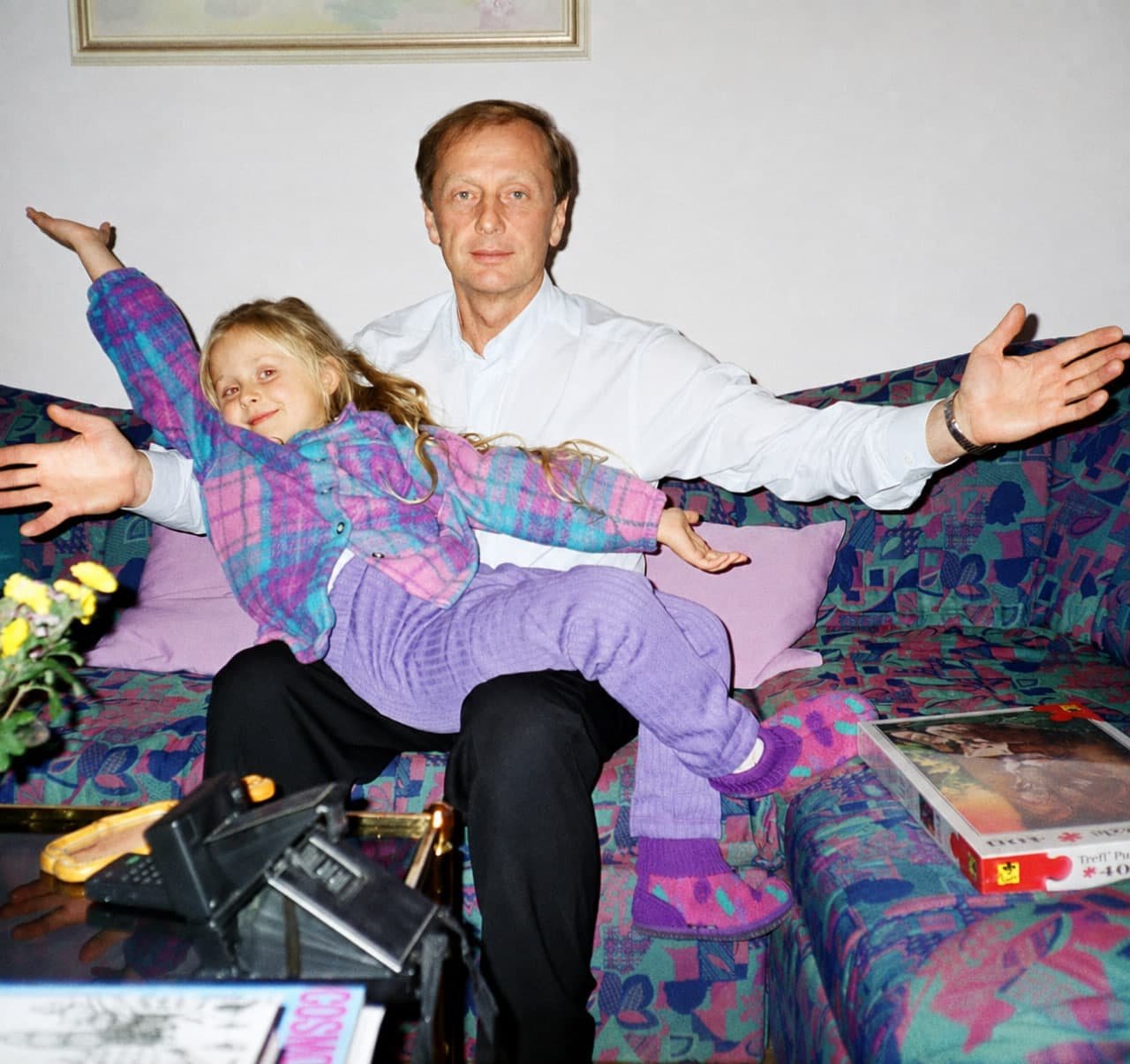
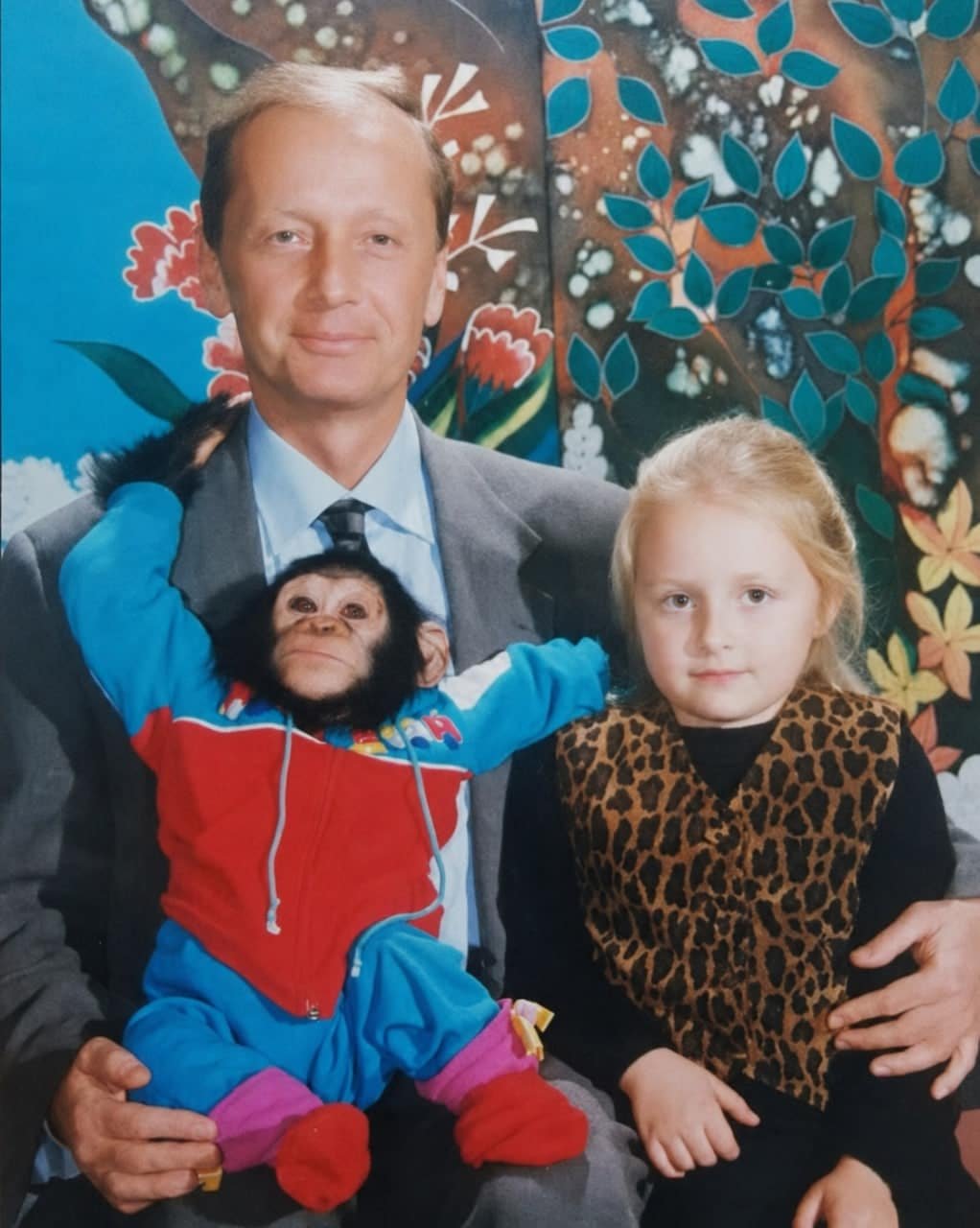
At home, he was simply my father. The fact that millions of people knew and admired him belonged to another part of his life.
One of the stories I remain particularly proud of happened on New Year’s Eve in 1991, when my father unexpectedly found himself addressing the country on television. He spoke live, went beyond the scheduled time, and the broadcast of the Kremlin chimes had to be delayed. There are many humorous stories surrounding the circumstances of that evening — exactly the sort of situation my father could turn into history.
How could I not be proud of him?
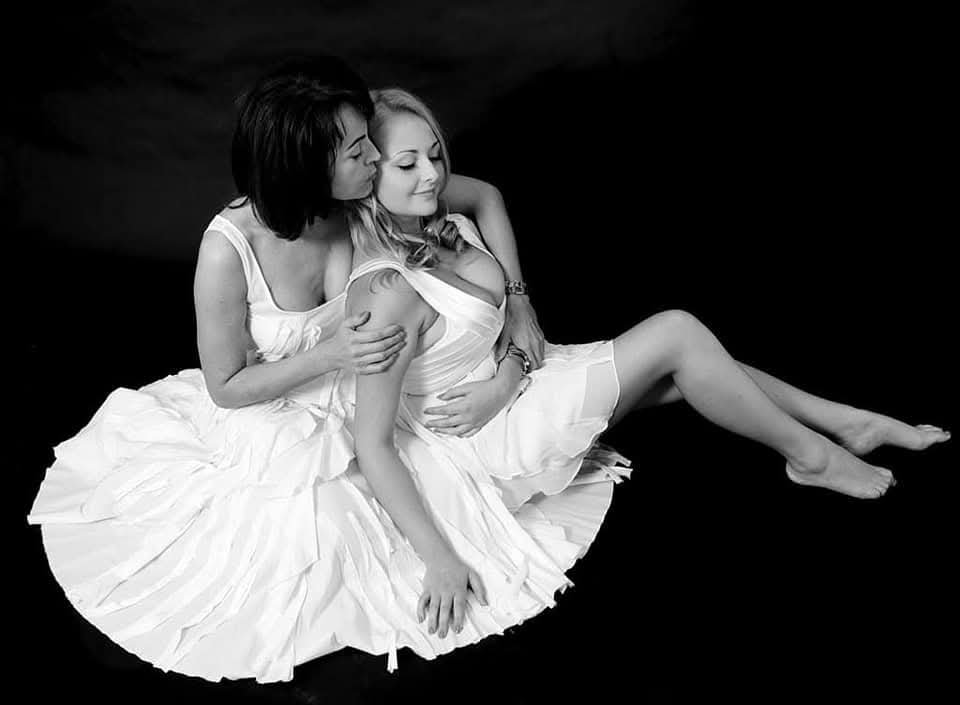
Your mother naturally remained less visible to the public. What has she given you as a woman, and which of her qualities do you recognise in yourself today?
My mother is simply the best in the world. She is an incredible woman and now the most wonderful babushka — though I still think she is far too young to be a grandmother of three!
I certainly gave her quite a job.
How did Malta first enter your life? Was moving here a conscious plan or an unexpected turn of fate?
Malta entered my life in a rather unexpected way.
When I was around twelve, I became involved in KVN — something close to what people today might call comedy or stand-up — and started spending a lot of time on performances and projects. At one point I became so absorbed in it that school was receiving considerably less attention than it should have.
My father’s solution was simple: boarding school, somewhere far enough away that I would actually attend my lessons.
He chose Malta. He had always been fascinated by the island and its history. So at thirteen, I arrived at Malta Crown in Marsaskala — and that decision changed my life.
Do you remember the moment when Malta stopped being simply a place where you lived and became home?
For me, Malta never really had to become home. I arrived here at thirteen and fell in love with the island almost instantly.
From the very beginning, it felt like somewhere I belonged.
What has living in Malta changed in you — as a woman, artist and mother?
In many ways, nothing — I am still completely myself.
I simply love Malta. It has been part of my life since I was very young, so my connection with the island feels natural rather than something I had to acquire later.
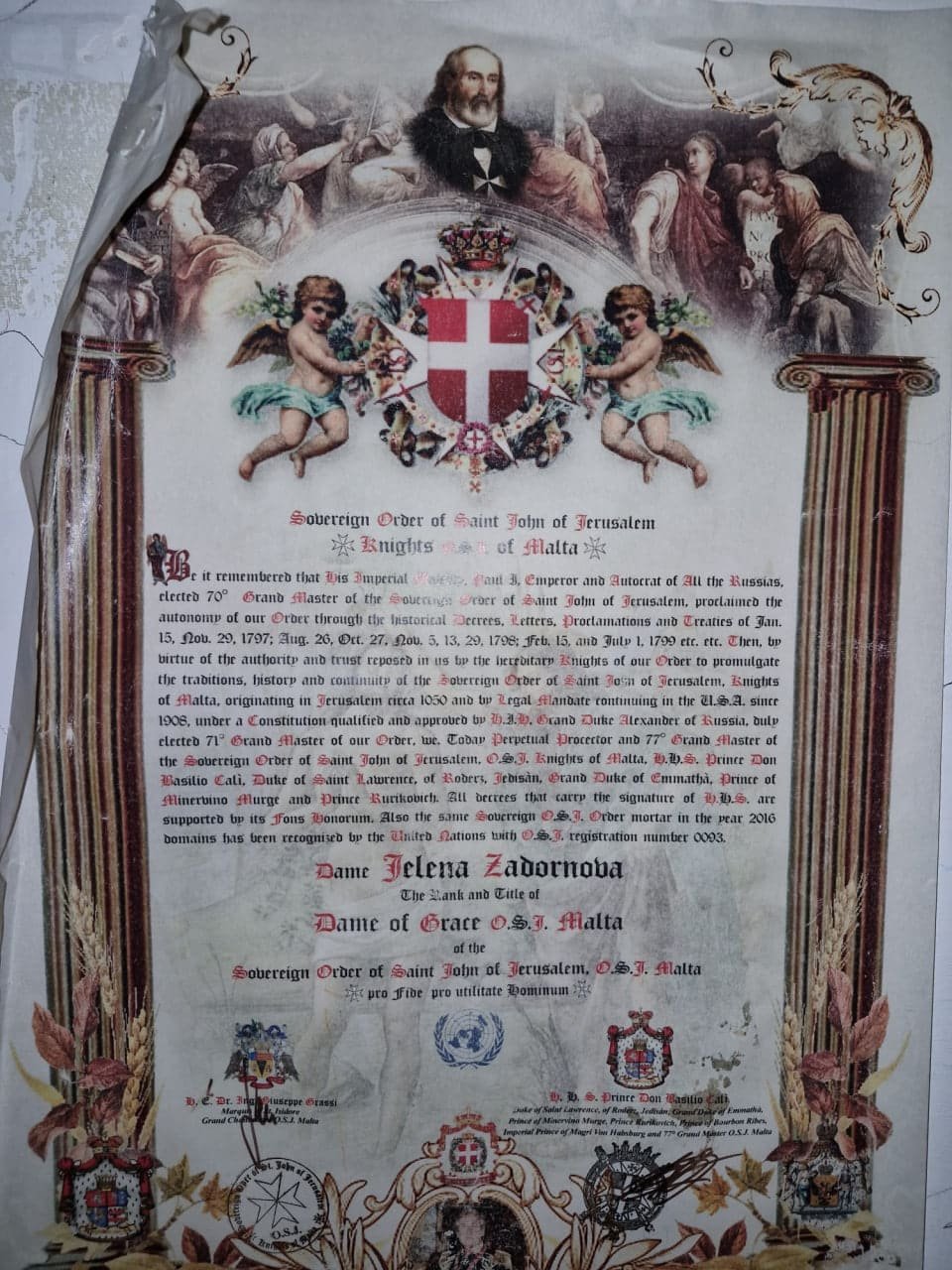
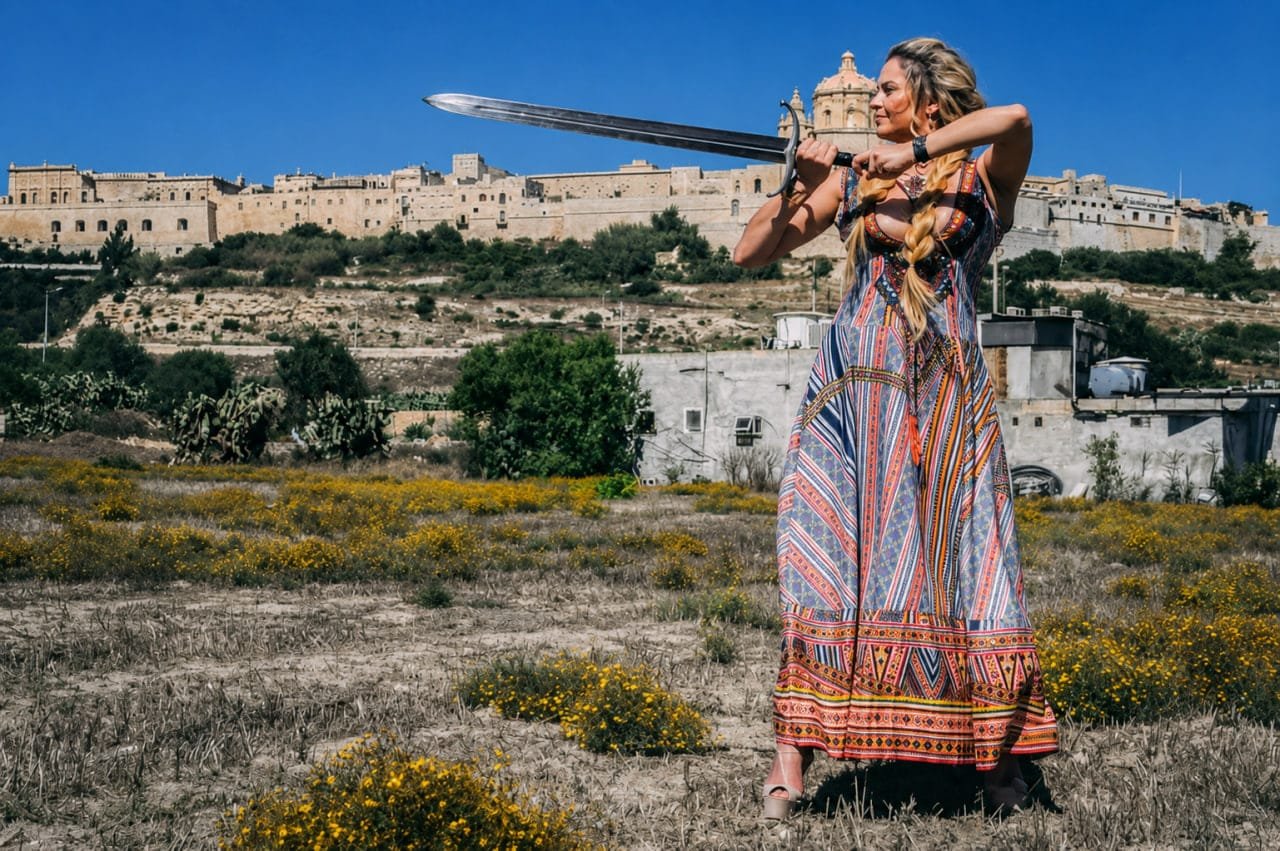
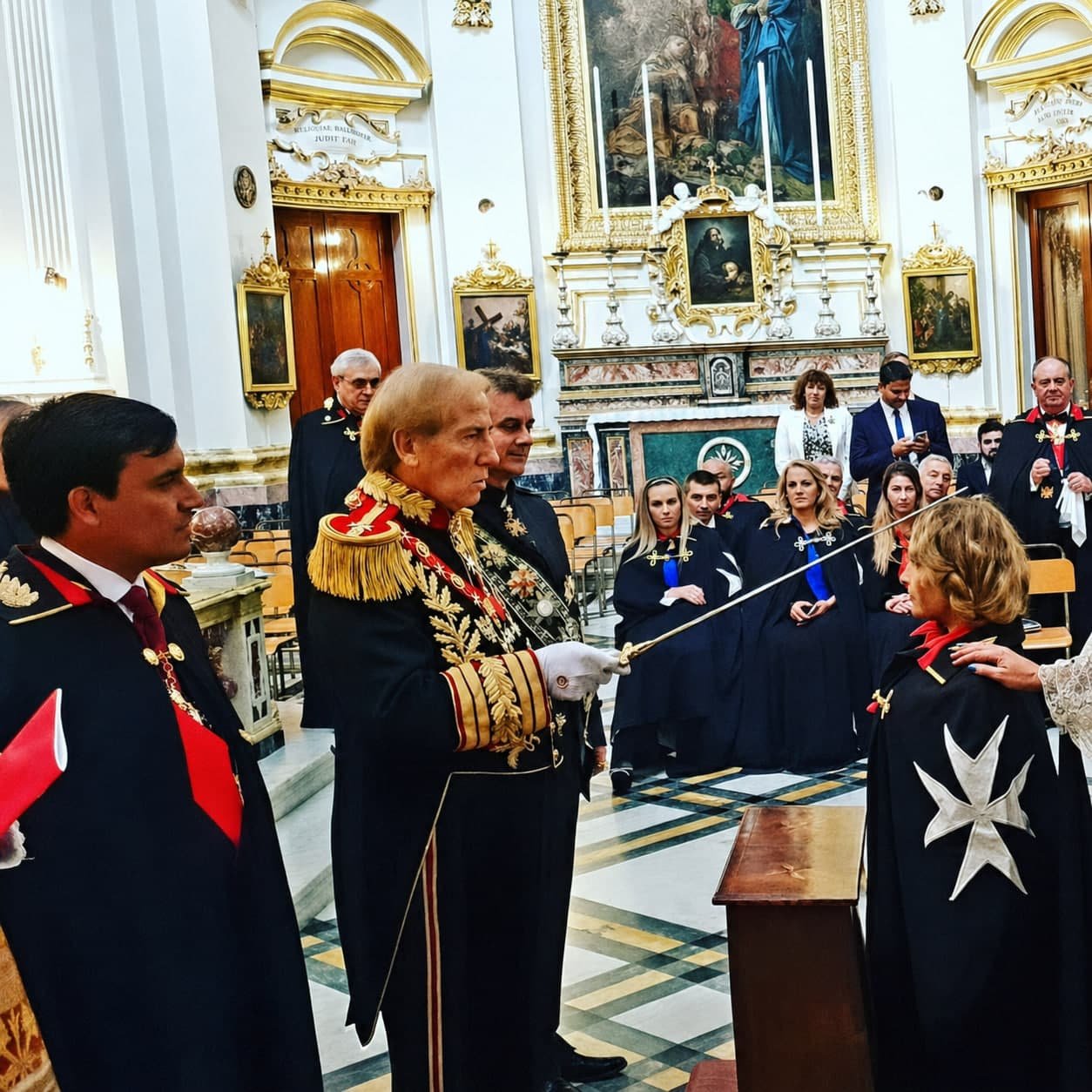
I am a Dame of the Order of St John, which makes that historical connection with Malta particularly meaningful to me.
You studied anthropology, paint and write poetry. Which part of you usually speaks first — the observer, the artist or the poet?
The poet, of course!
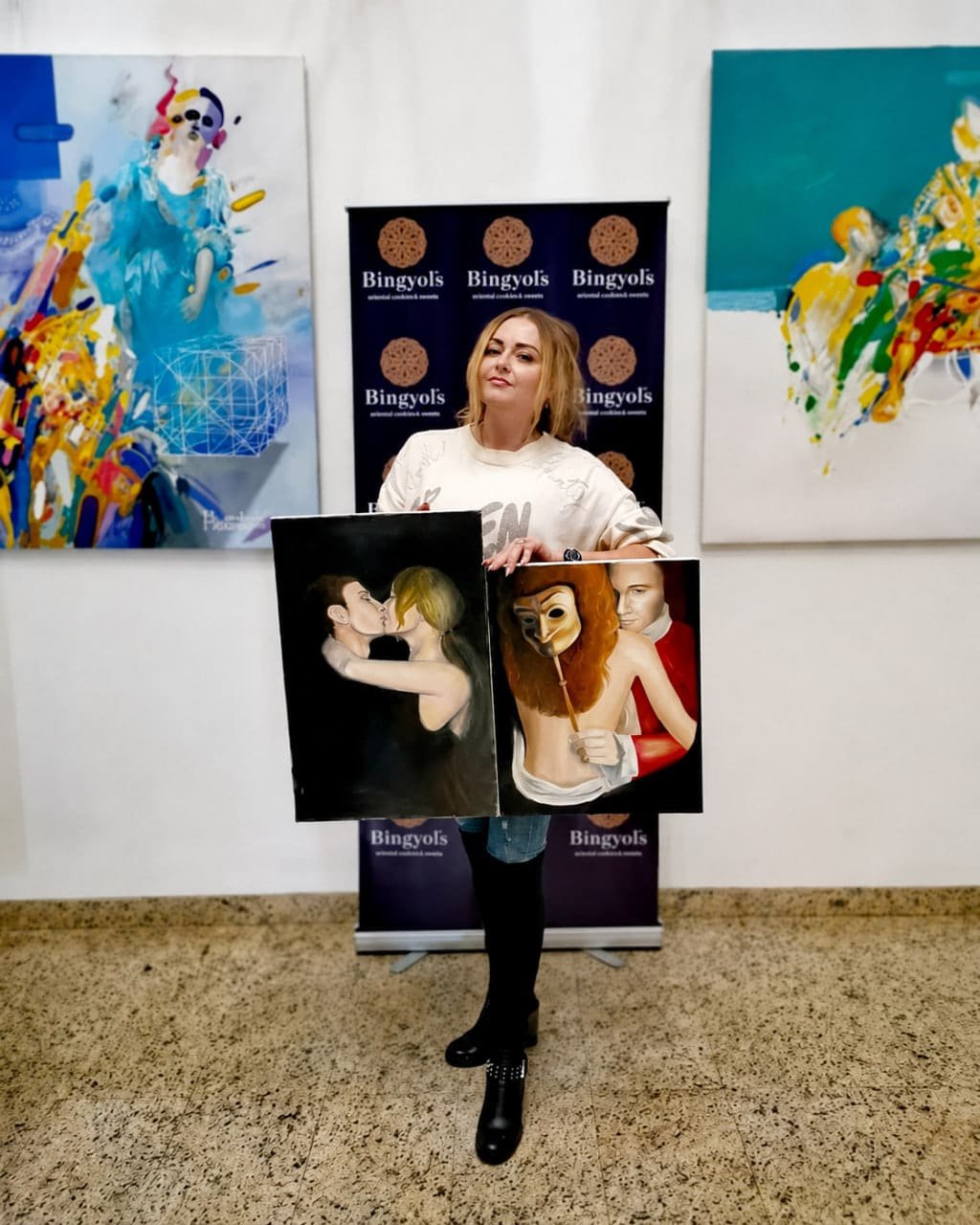
Painting, though, has given me some beautiful experiences too. During an exhibition at Casey’s Bar, my works found homes with people from many different countries — including the United States, France, Germany, England, Colombia, Brazil, Ireland, Finland and Sweden.
There is something wonderful about creating something deeply personal and then watching it travel somewhere you may never have expected.
Where does a poem usually begin for you: with an emotion, an image, a person, a sentence or something you have witnessed?
It begins in my heart and soul.
I was fortunate, through my father, to meet the great poet Yevgeny Yevtushenko when I was a little girl. He had known Picasso personally, which means that, technically, Picasso and I are only one handshake apart.
I rather like that thought.
When inspiration comes, do you consciously write, or does it sometimes feel as though the words are coming through you?
It always begins with feeling.
I don’t try to manufacture inspiration. For me, poetry comes from the heart. When the feeling is there, the words follow.
How much of your poetry is your own life, and how much comes from observing other people and the world around you?
Poetry lives inside me, but it is always connected to real life.
I come from Russia, and my husband is from Lebanon, so our family carries two very different cultures, histories and emotional worlds. That naturally finds its way into the way I feel, observe and write.
One of my deepest wishes is simply to see people live with more kindness, peace and respect for one another.
Humour appears naturally in the way you speak about serious things. Do you think that was inherited from your father, or is it entirely your own language?
I was born in humor.
When my father performed, I grew up behind the stage, so humor was never something separate from everyday life for me. It was simply part of the atmosphere I was raised in.
There is a playful line associated with Marilyn Monroe that I love: My heart’s not made of plastic. You’re the reason I’m sarcastic — perhaps that is why sarcasm comes so naturally to me.
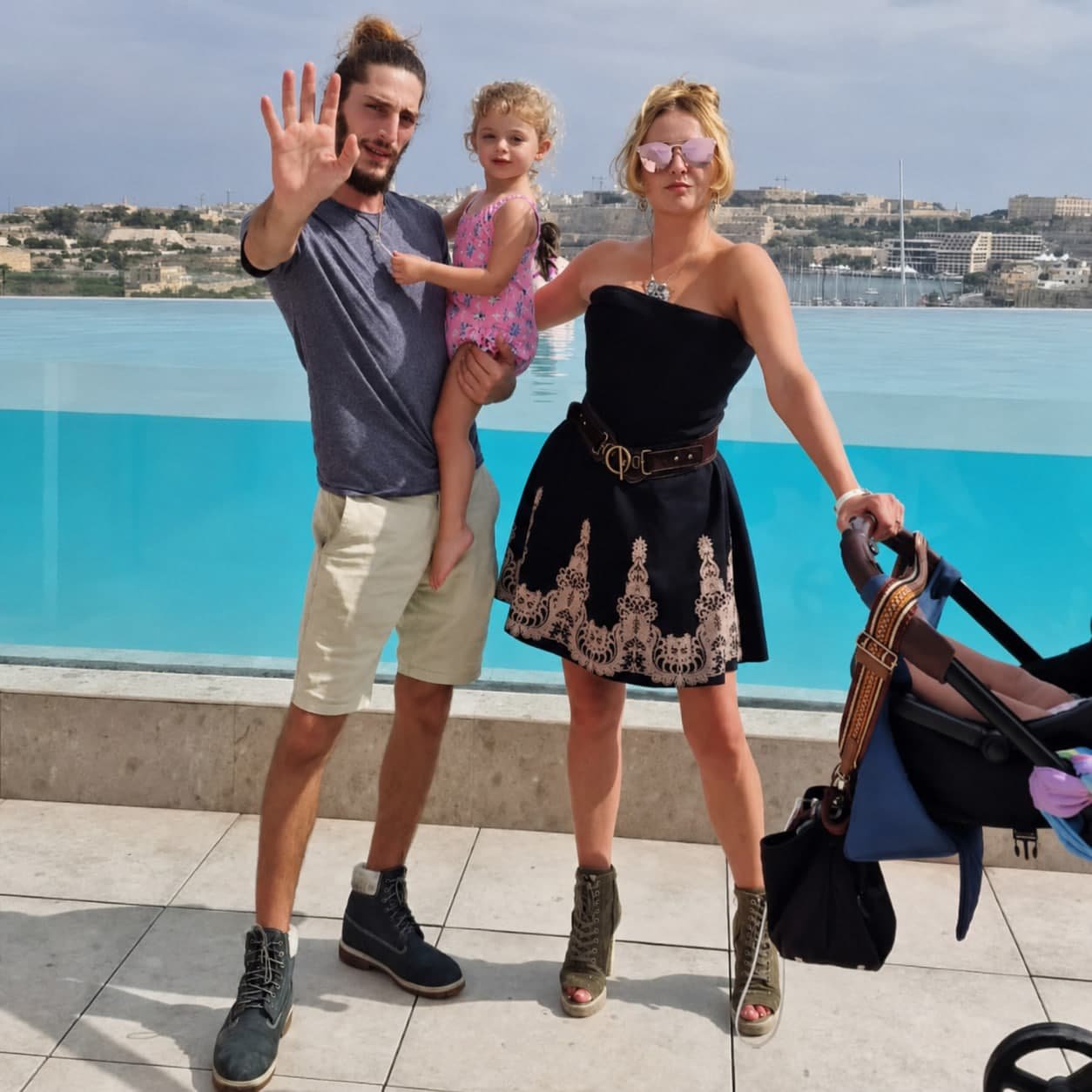
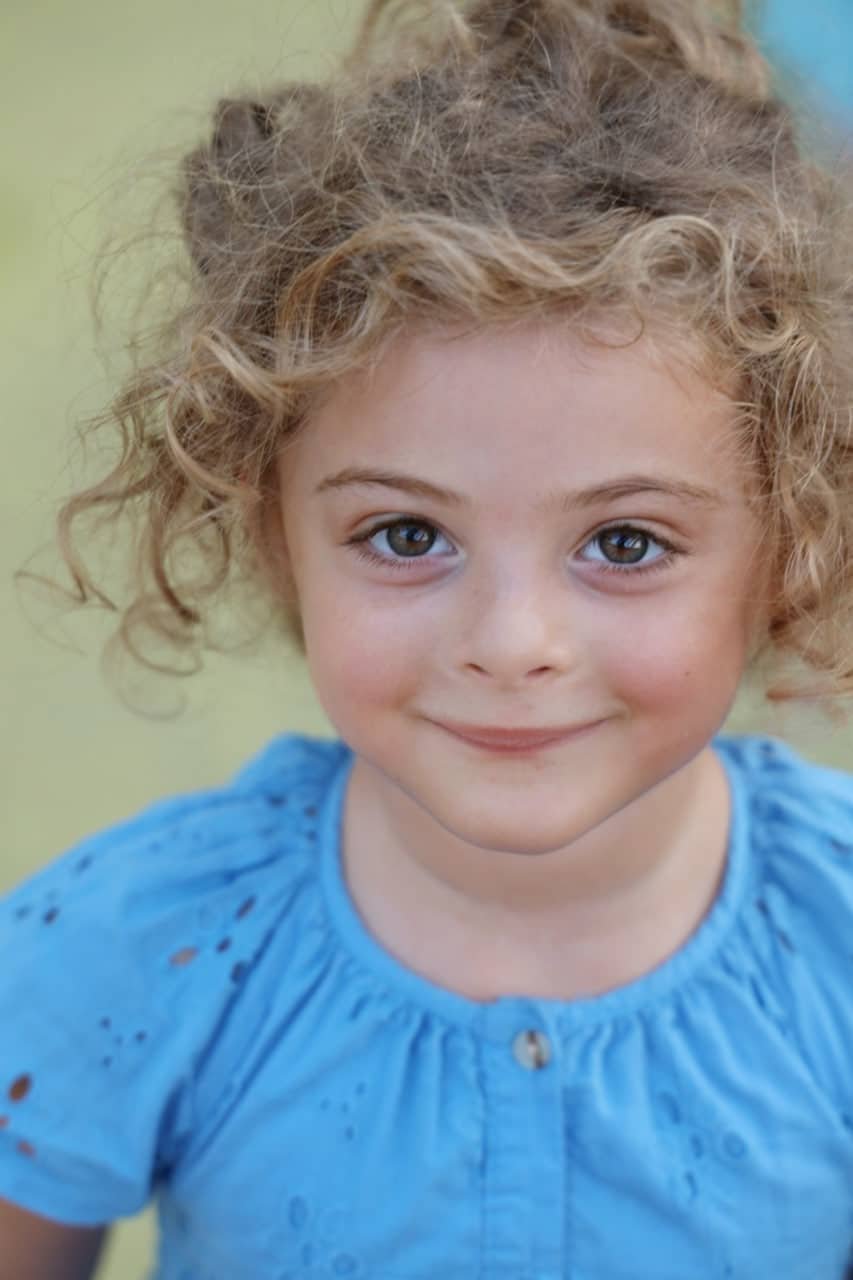
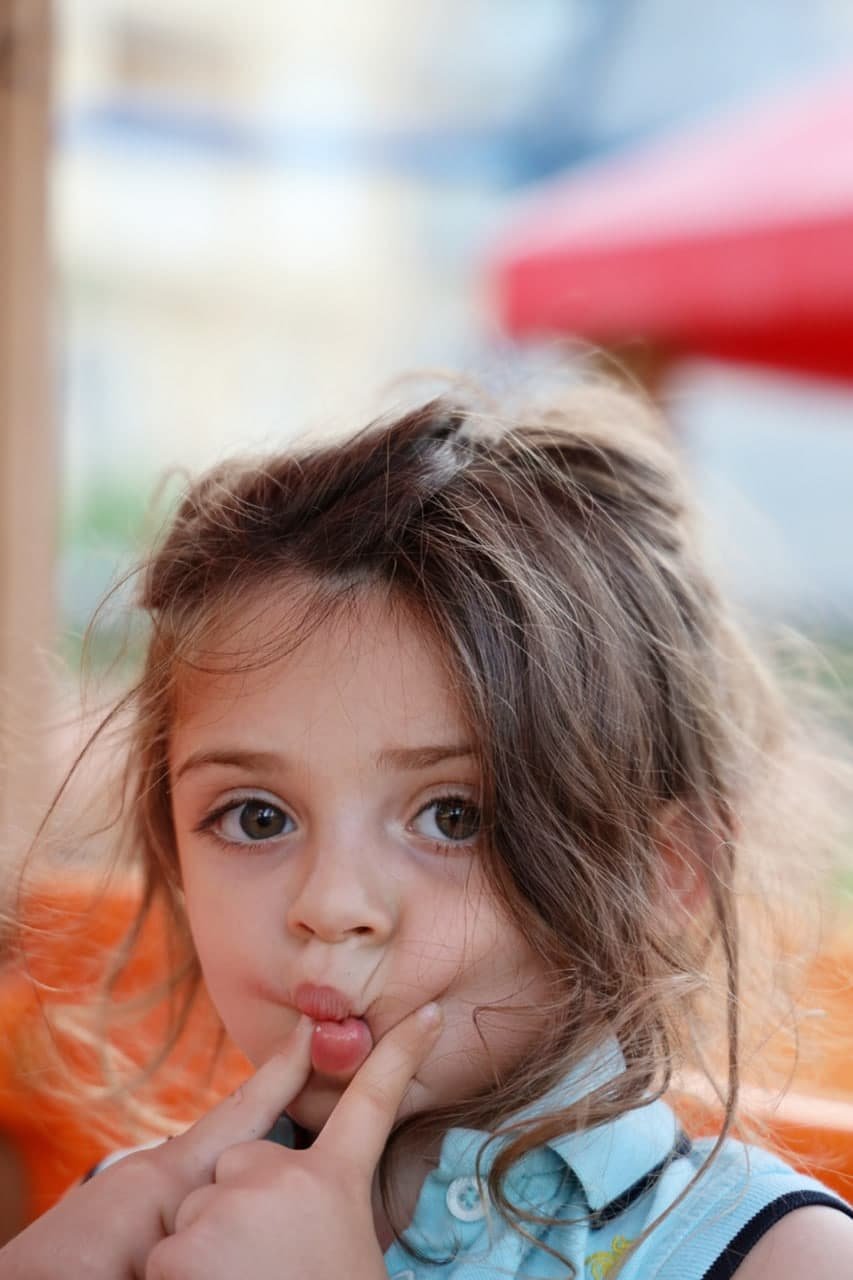
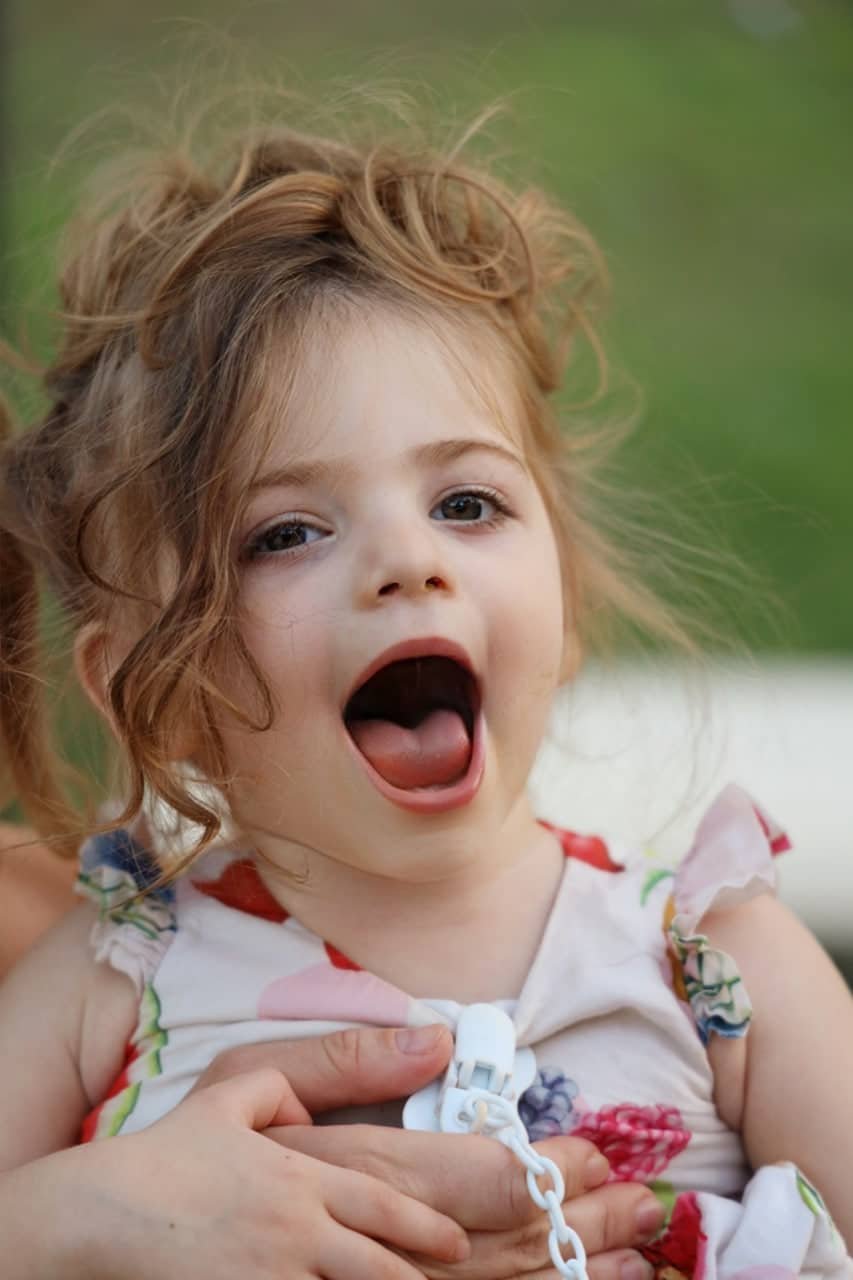
You are raising three young daughters. What has motherhood taught you about yourself that you never knew before?
That I am a superwoman!
Motherhood showed me that I am capable of far more than I ever imagined — and my husband and daughters are witnesses to that.
I would go to the end of the world for my three girls and for my family.
What is genuinely the hardest part of raising three little girls at the same time — the side of motherhood people rarely talk about?
Three little girls require an enormous amount of energy, patience and presence.
Thank God I have a husband who truly helps me. Without that partnership, I honestly don’t know how it would be possible.
What is the most beautiful or unexpectedly funny part of having three daughters?
Their smiles.
There is nothing more beautiful than seeing happiness on the faces of your children. For me, that feeling is impossible to replace.
Our daughters are surrounded by people who love them too, including their three wonderful godfathers — Amin, Stefan and Igor Skripko — which makes their little family circle even more special.
Having grown up with two very distinctive parents, what from your own childhood do you want to pass on to your daughters, and what have you chosen to do differently?
I had a wonderful childhood and grew up surrounded by extraordinary love.
I was blessed with a remarkable father and an amazing mother. What I want to give my daughters is that same feeling — to grow up knowing, without question, how deeply they are loved.
Has motherhood ever made you feel that the artist and poet in you had to step aside, or has it given your creativity a completely new voice?
At this stage of my life, I dedicate myself fully to my children.
For me, motherhood isn’t something that competes with the other parts of who I am. Right now, being present for my daughters is exactly where I want to be.
The artist and poet are still there. They are simply living this chapter with me.
When your daughters become older and you regain more time for yourself, what is the biggest personal dream you want to return to — or discover for the first time?
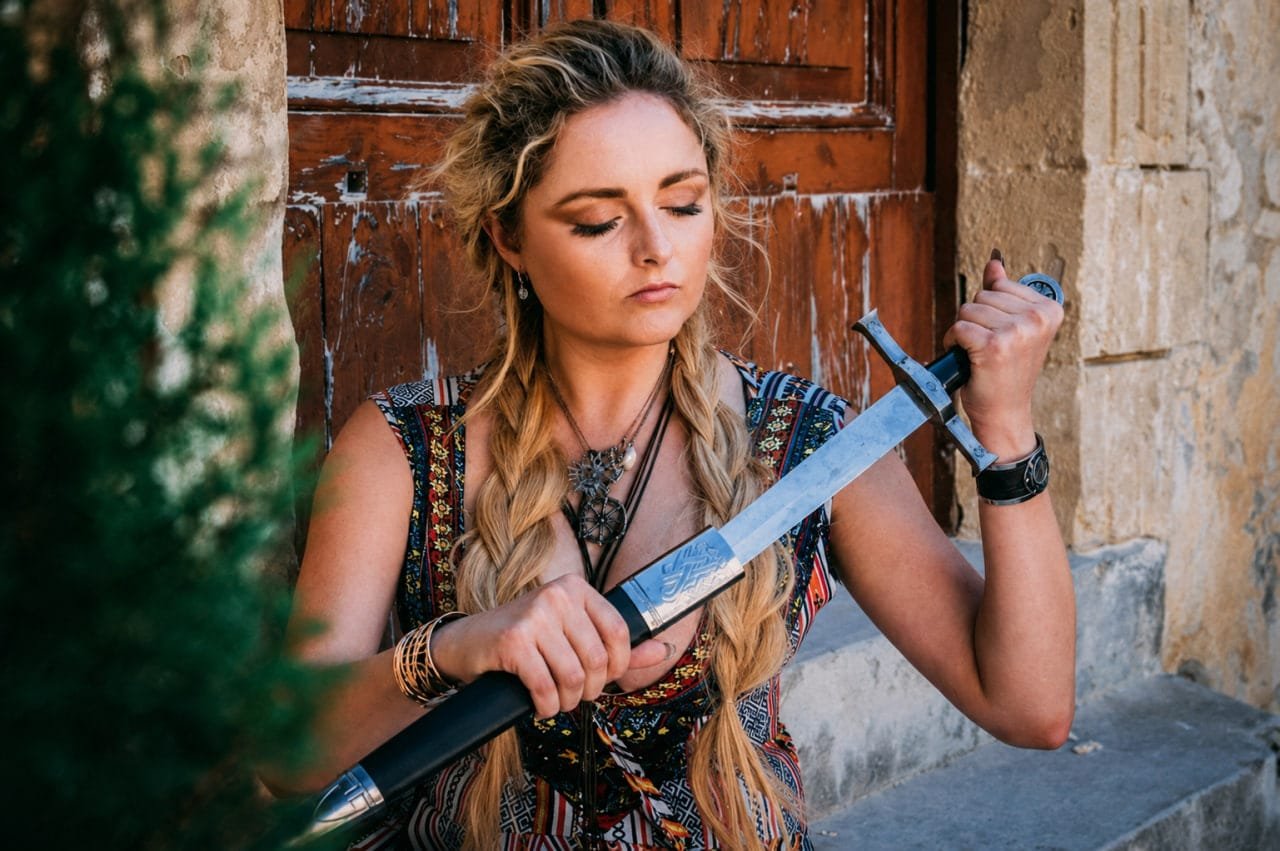
My father once told me that my life should be under sails. Somewhere in our souls, we were always pirates.
Yet when I think about the future, my greatest wish isn’t complicated. I want my entire family to be healthy and happy.
Don’t we all wish for that?
Looking ahead, what is the big dream you and Ali would love to create together — a project, adventure or completely new chapter of your life?
A Happy Beginning.
Ali and I have a dream connected to a Phoenician boat. His relatives are creating a beautiful Phoenician vessel that we hope will one day make its way to Malta.
For us, it is much more than a boat. It represents history, family, cultures coming together and the beginning of something we have dreamed about for a long time.
And I believe that dream will come true.
MORE ABOUT JELENA HERE