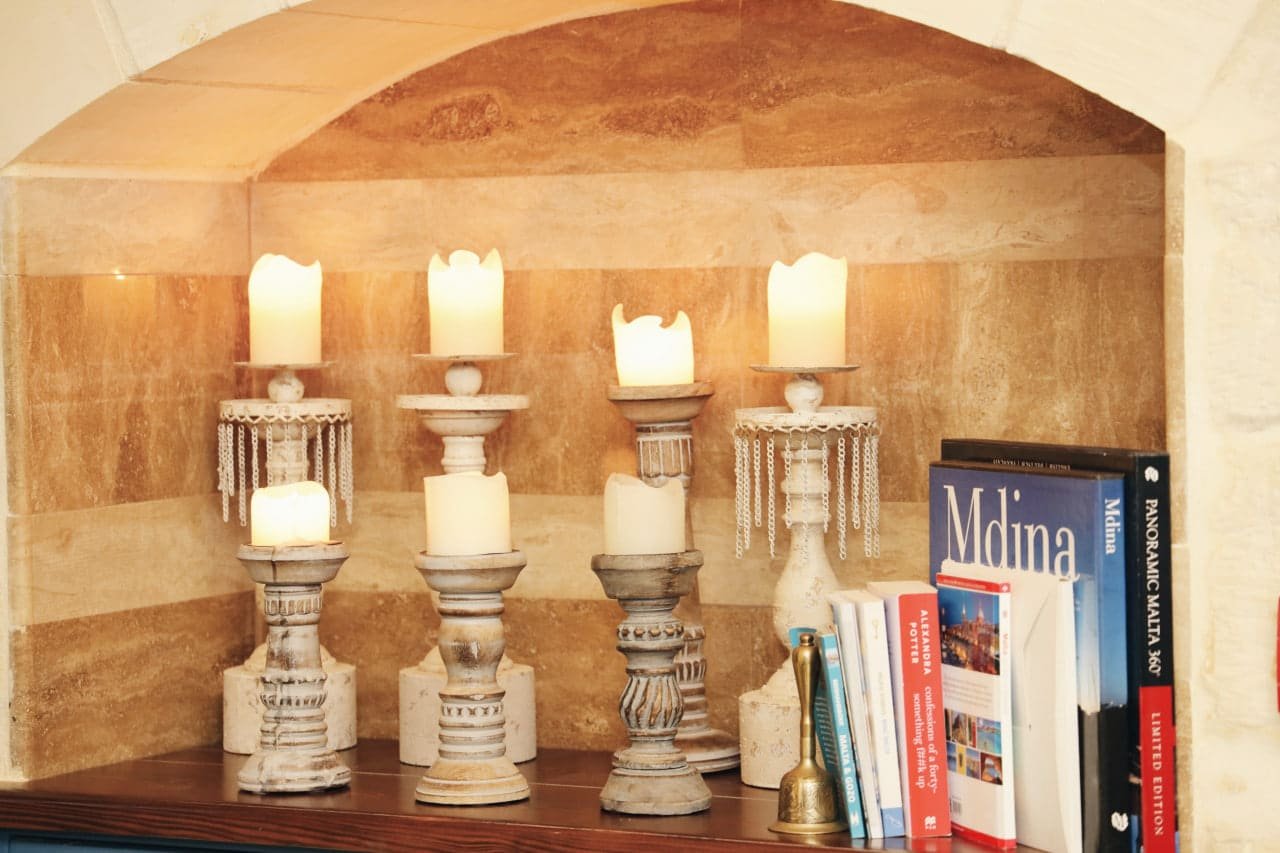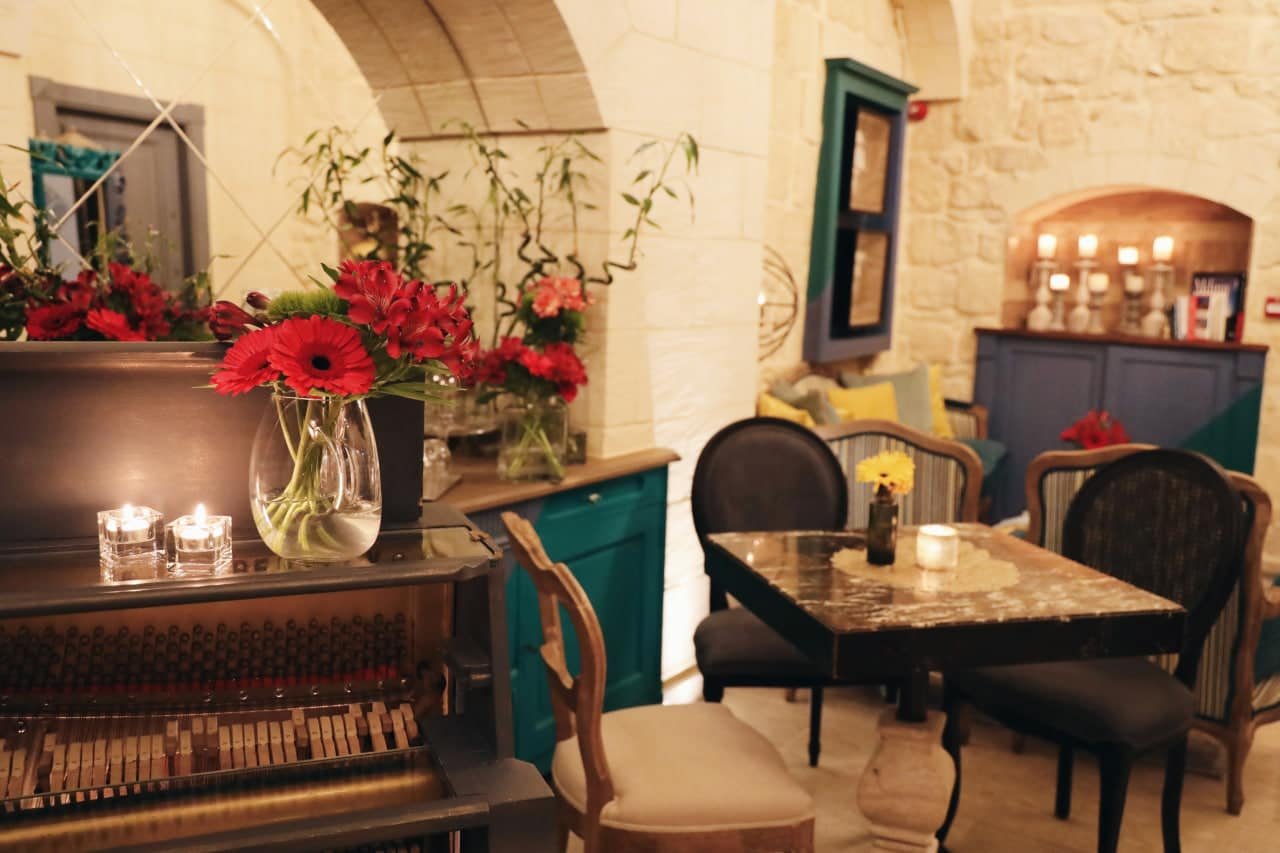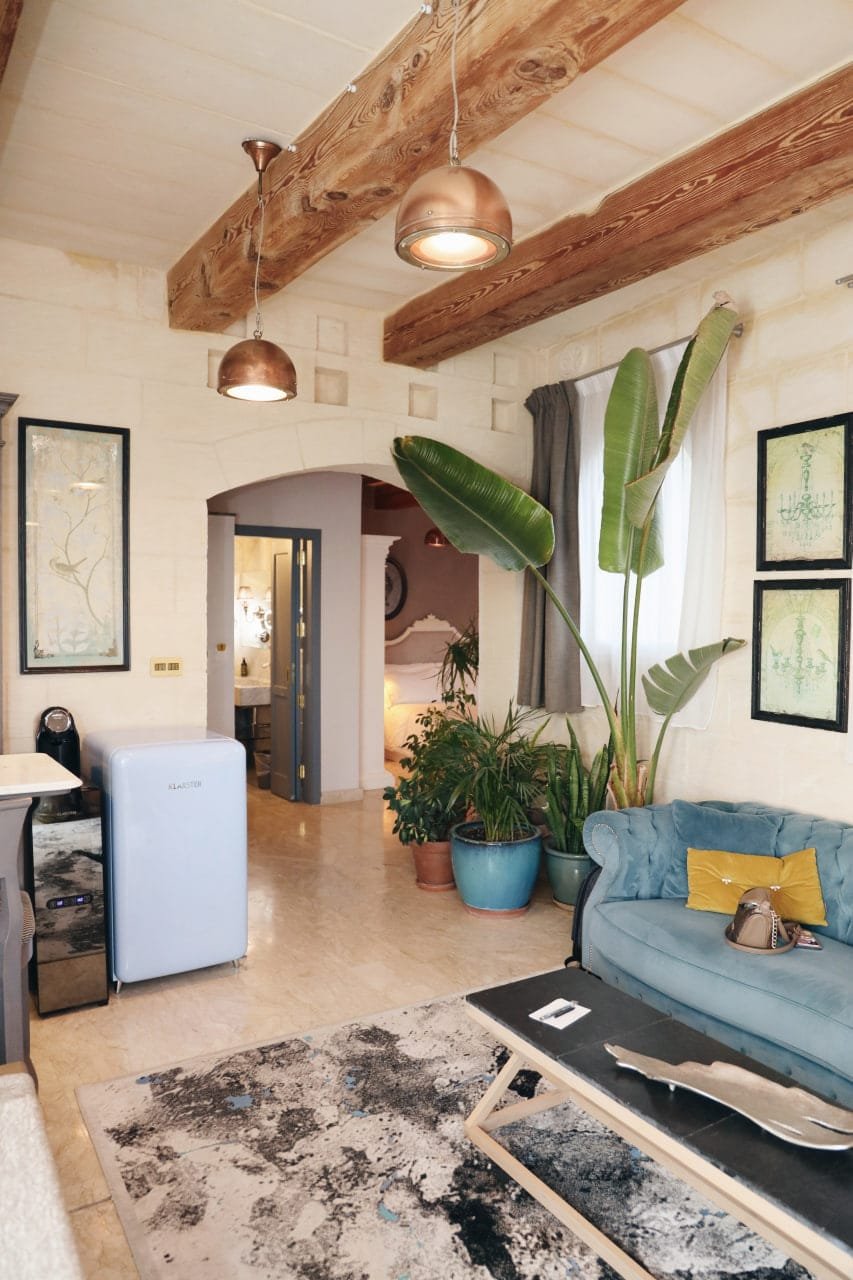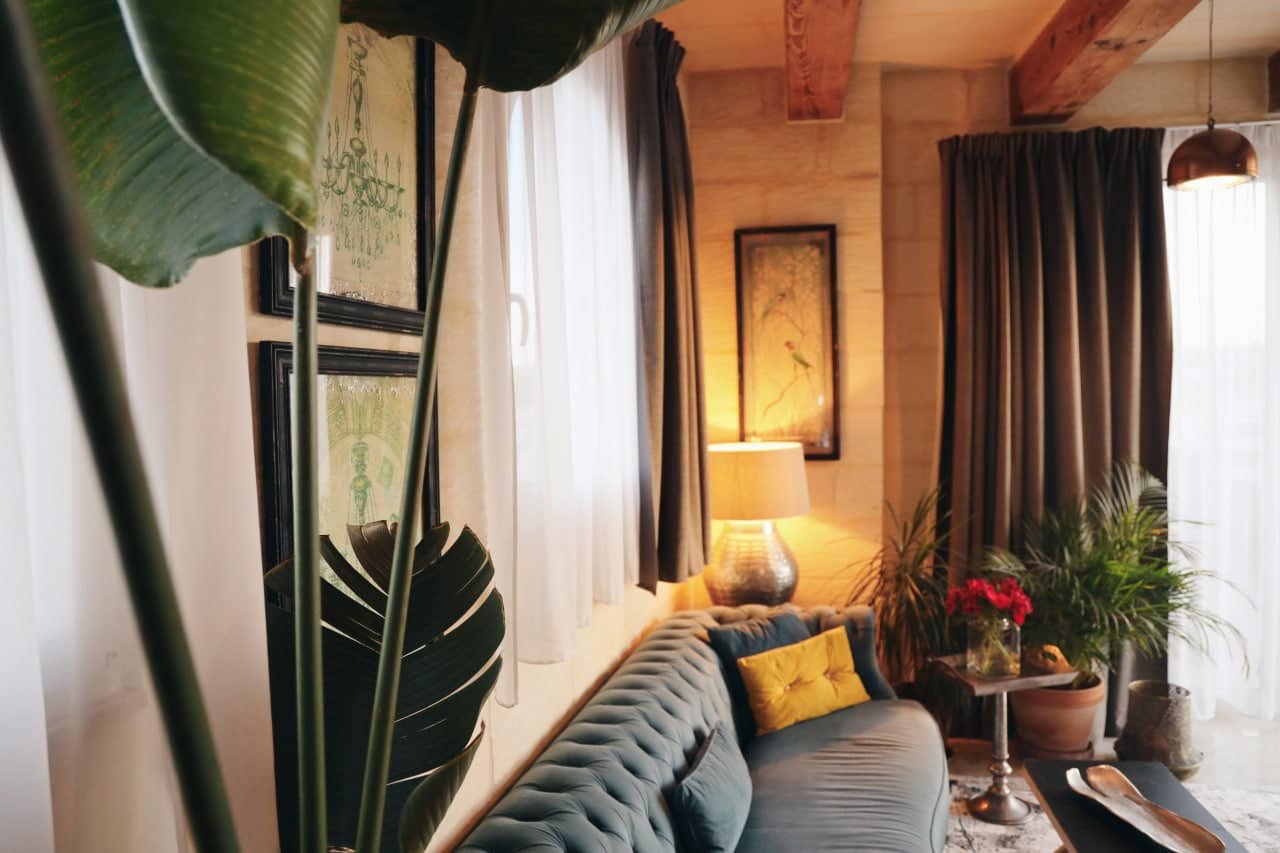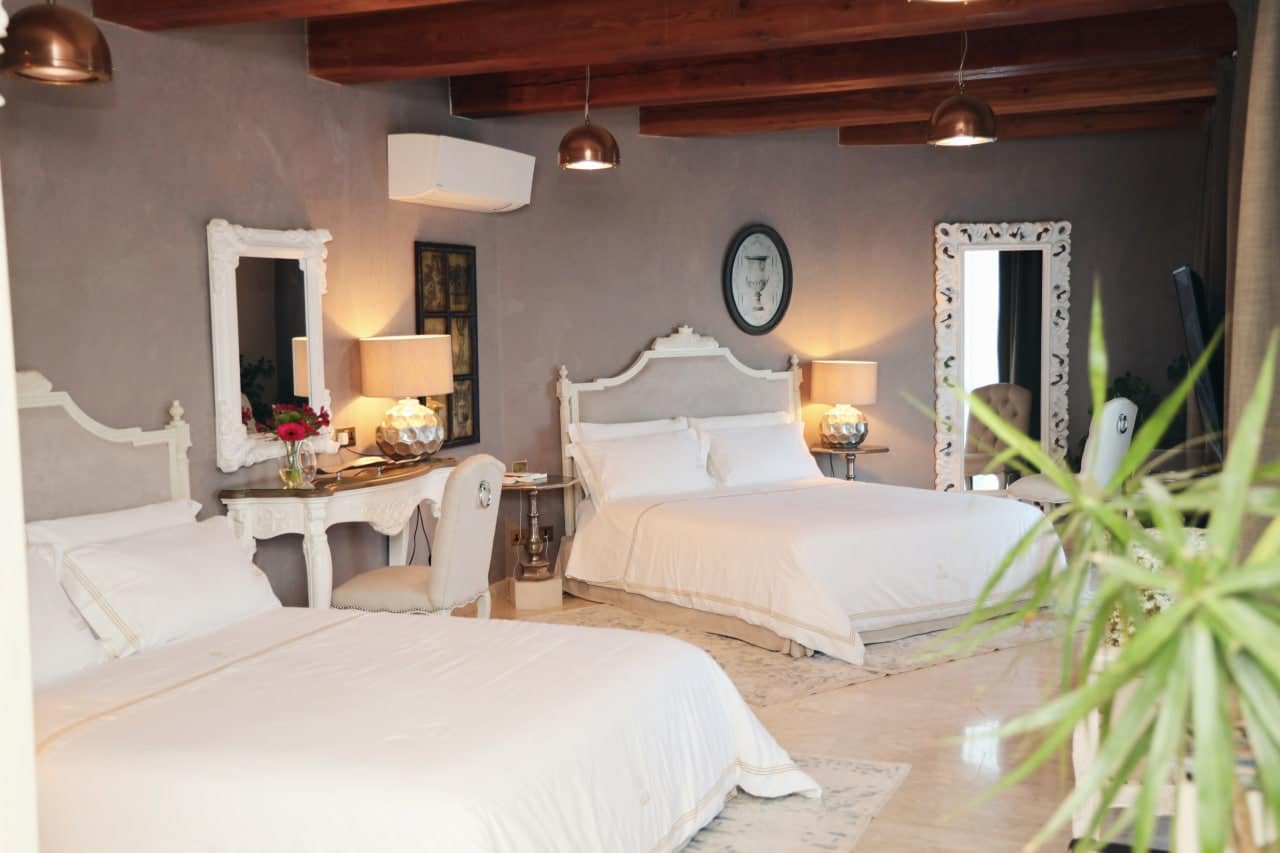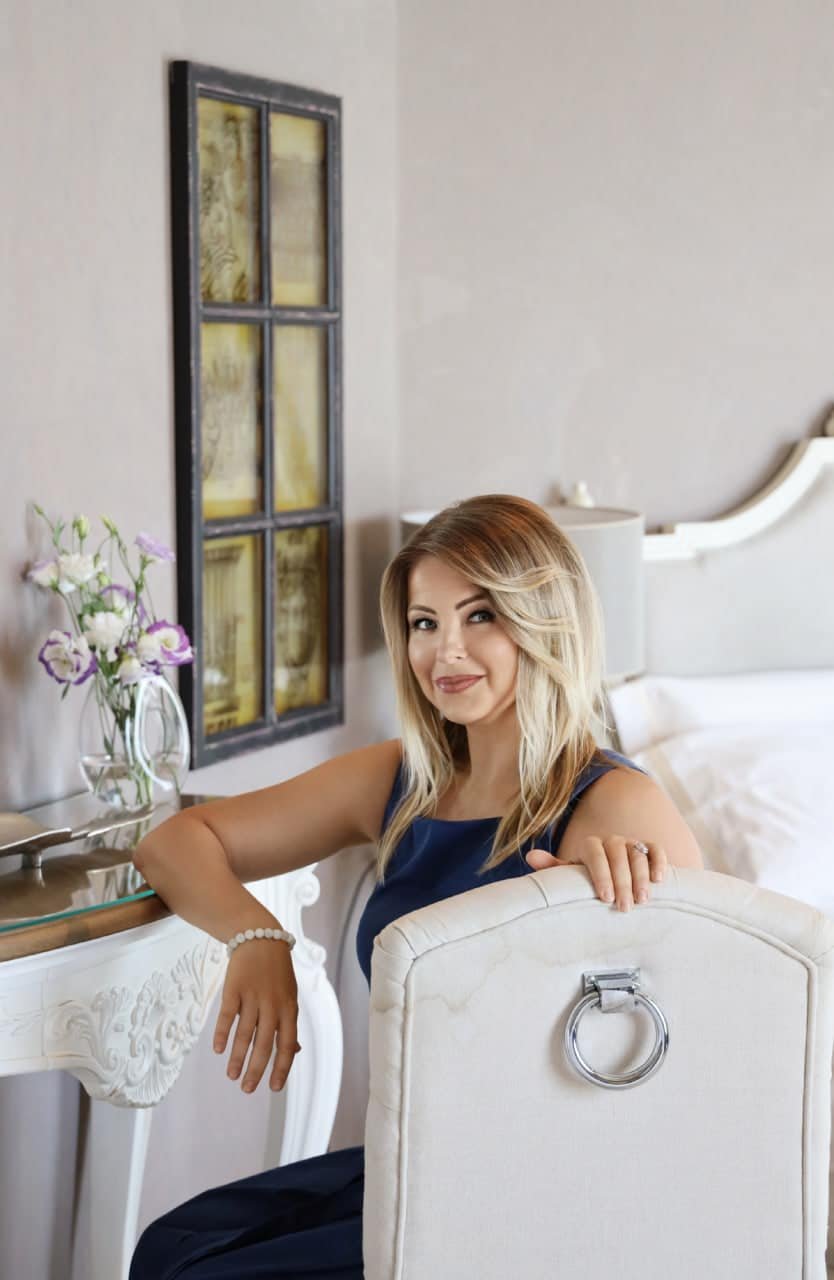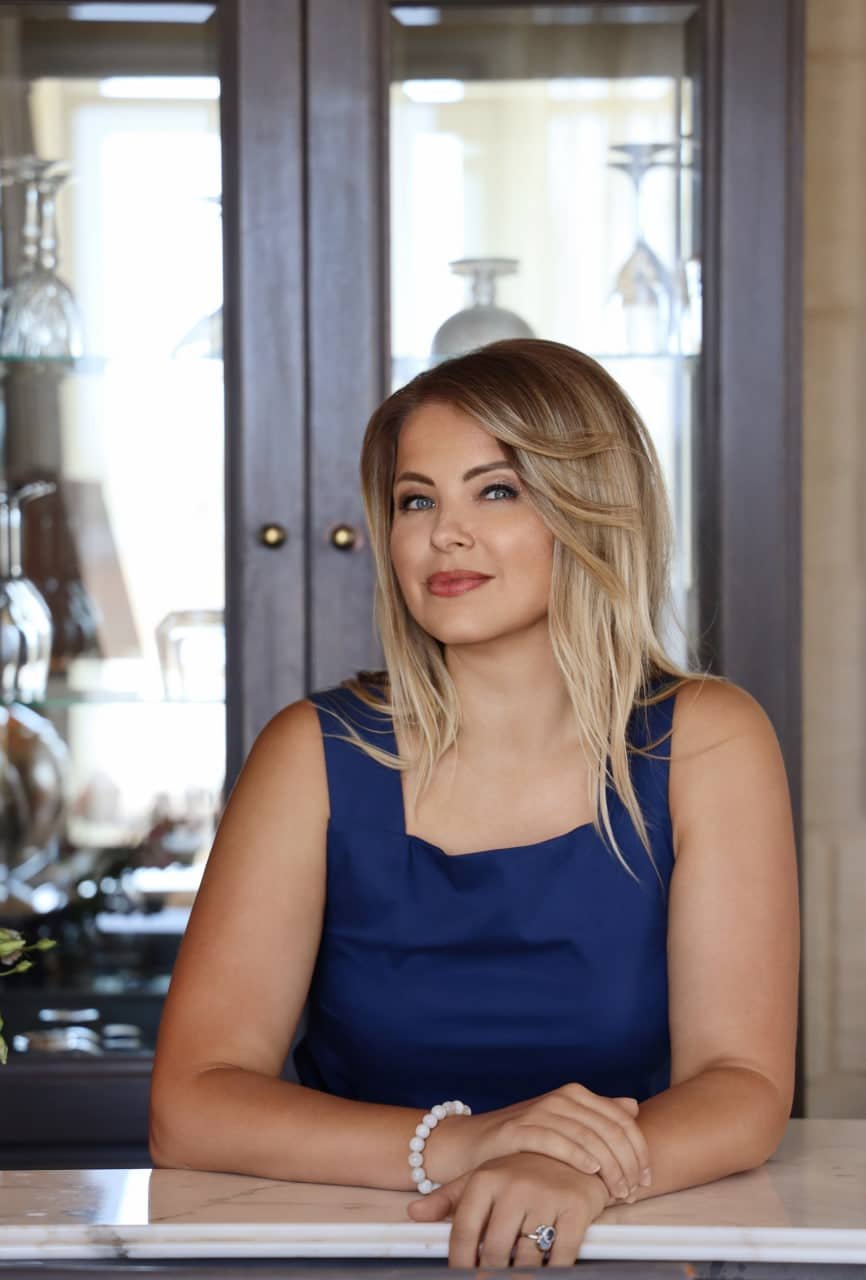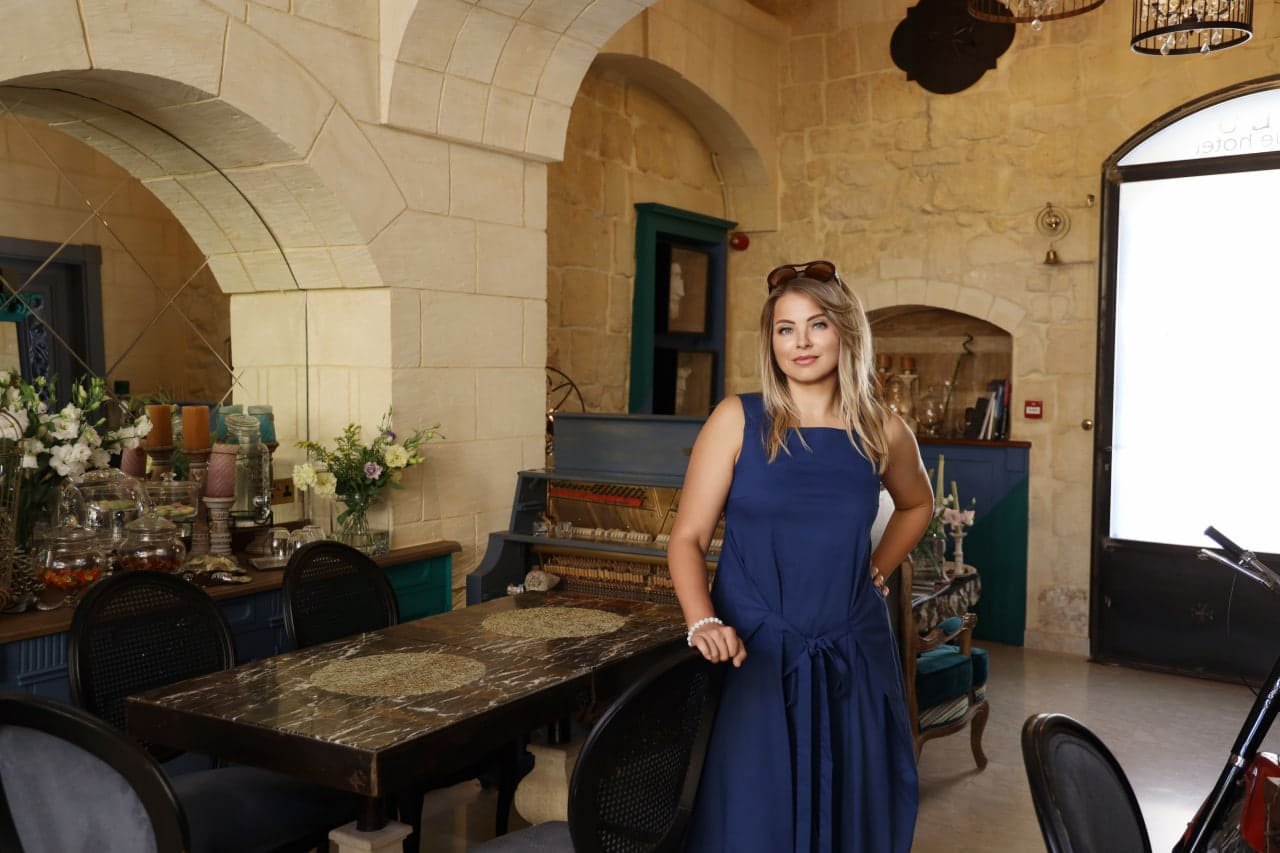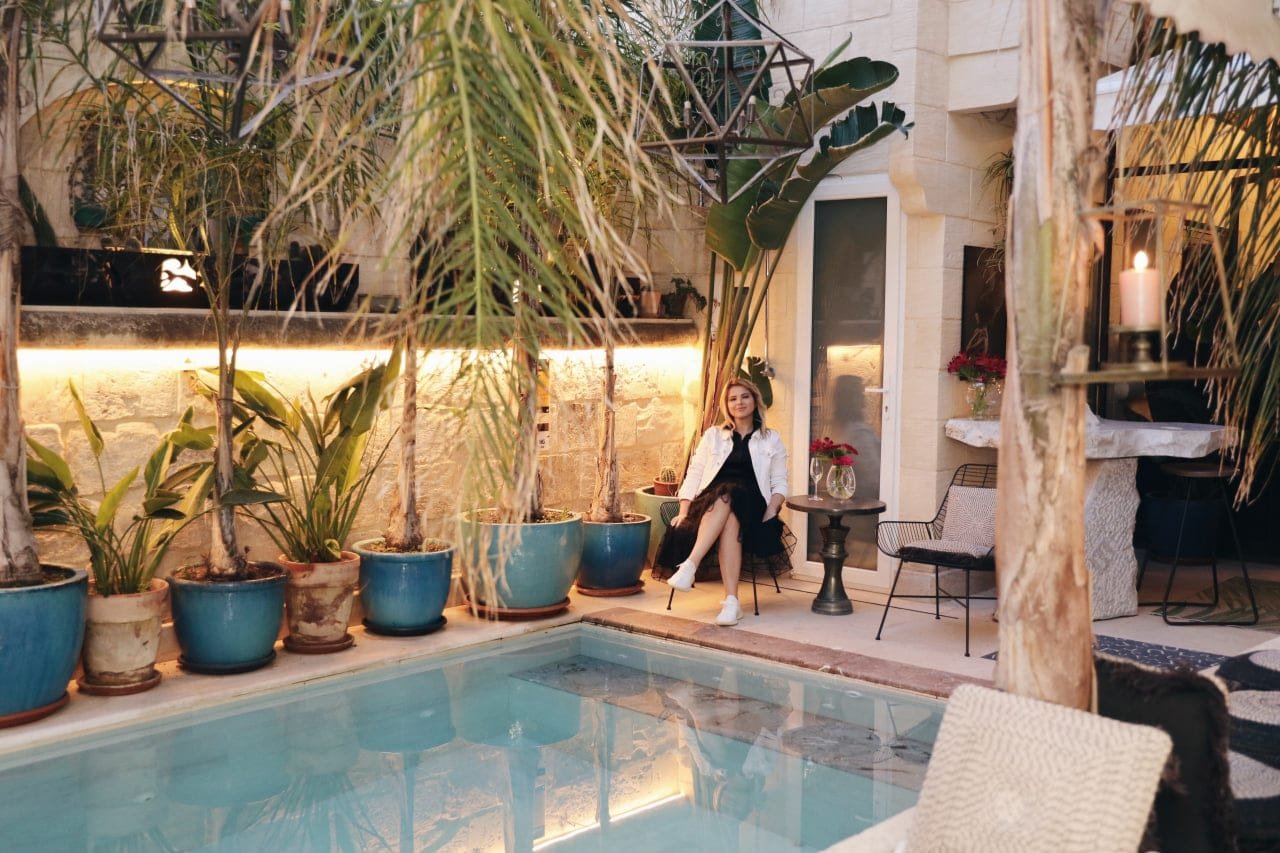
LULU BOUTIQUE HOTEL IN MALTA
Before Lulu existed, who was Ludmila? You came from the structured world of auditing and finance. How would you introduce the woman you were then, and how different is she from the woman you are today?
Interestingly, I don’t think my essence has changed that much. I’ve always been curious, searching, driven, enthusiastic and very goal-oriented. I’ve always wanted to explore, learn, try new things and keep moving forward.
What has changed is how much I trust myself.
In the past, I was much more influenced by other people’s opinions and expectations, and by society’s ideas of what success should look like and what we are supposed to value. I probably looked outside myself much more for confirmation that I was making the right choices.
Today, I listen to myself more. I trust my own feelings, intuition and choices. I don’t need quite as much external validation to know what feels right for me.
So I wouldn’t say I’ve become a different woman. Perhaps I’ve simply become more myself. And life feels much more comfortable that way.
If you had to choose three mottos that have guided you through different chapters of your life, what would they be — and what does each one mean to you personally?
I think my mottos actually reflect different chapters of my life.
The first, which was very much my motto when I was younger, was: “It’s better to do something and regret it once than not to do it and regret it for the rest of your life.”
I think it explains a lot about me! I’ve never been too afraid of trying things, taking risks or going into the unknown. I would much rather have an experience — even if it turns out to be a mistake — than spend years wondering, “What if?”
Later, another phrase became very important to me: “Expect nothing and appreciate everything.”
I think this describes quite well how I try to approach both life and people. The fewer expectations you place on others and on how life should unfold, the more space there is to notice and appreciate what you actually receive.
As for the third motto — I think I’m still living my way towards it. Ask me again in a few years!
Lulu was originally supposed to become your family home. At what point did you and your husband realise that its destiny might be something completely different?
It had actually been Clive’s dream for many years to restore an old Maltese house — what we call here a house of character.
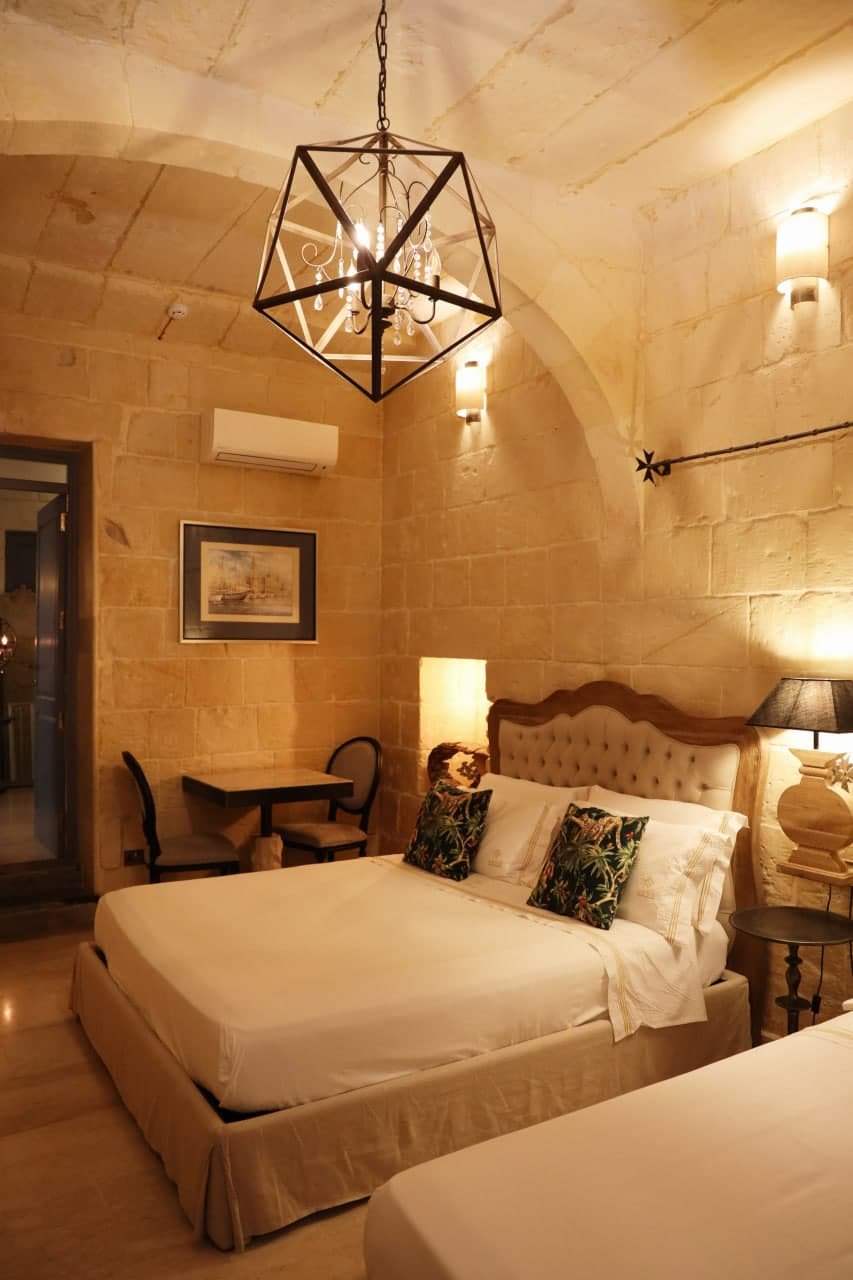
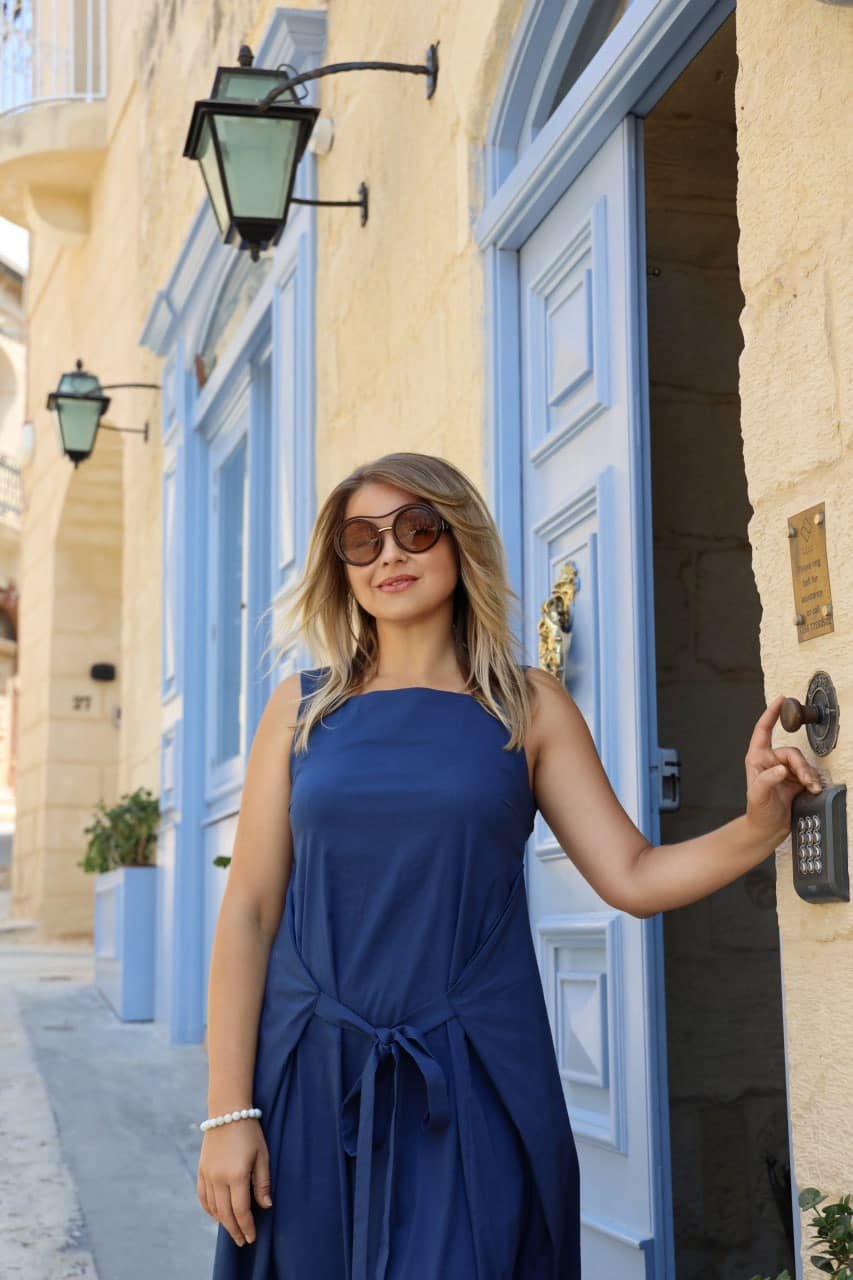
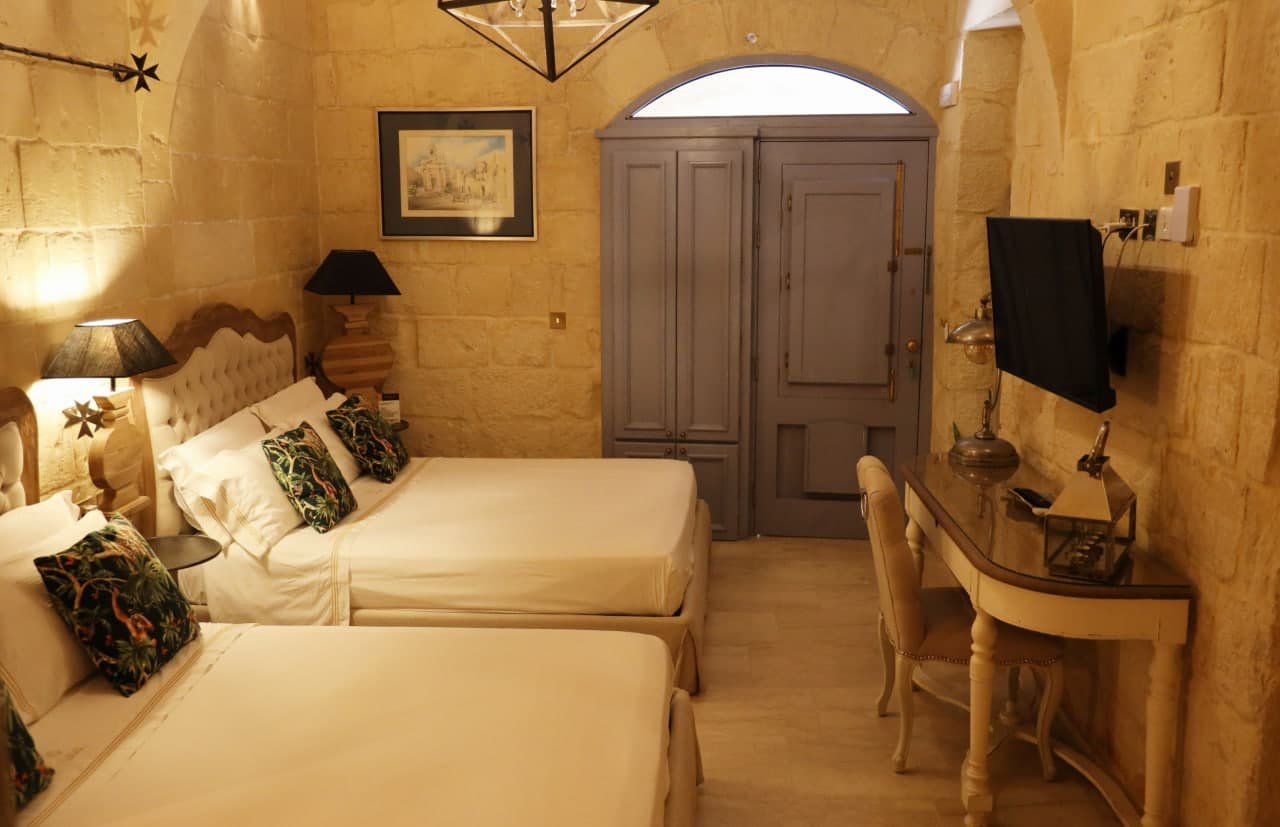
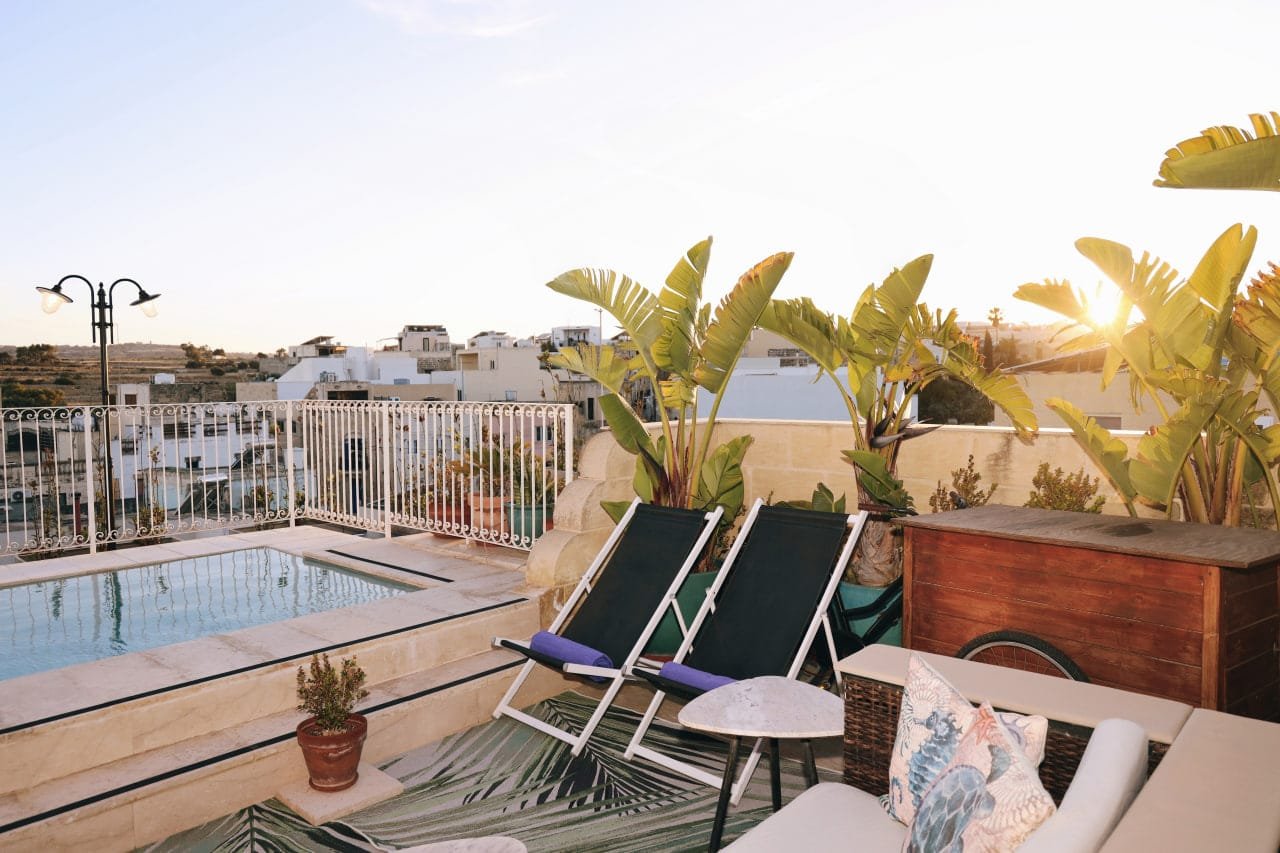
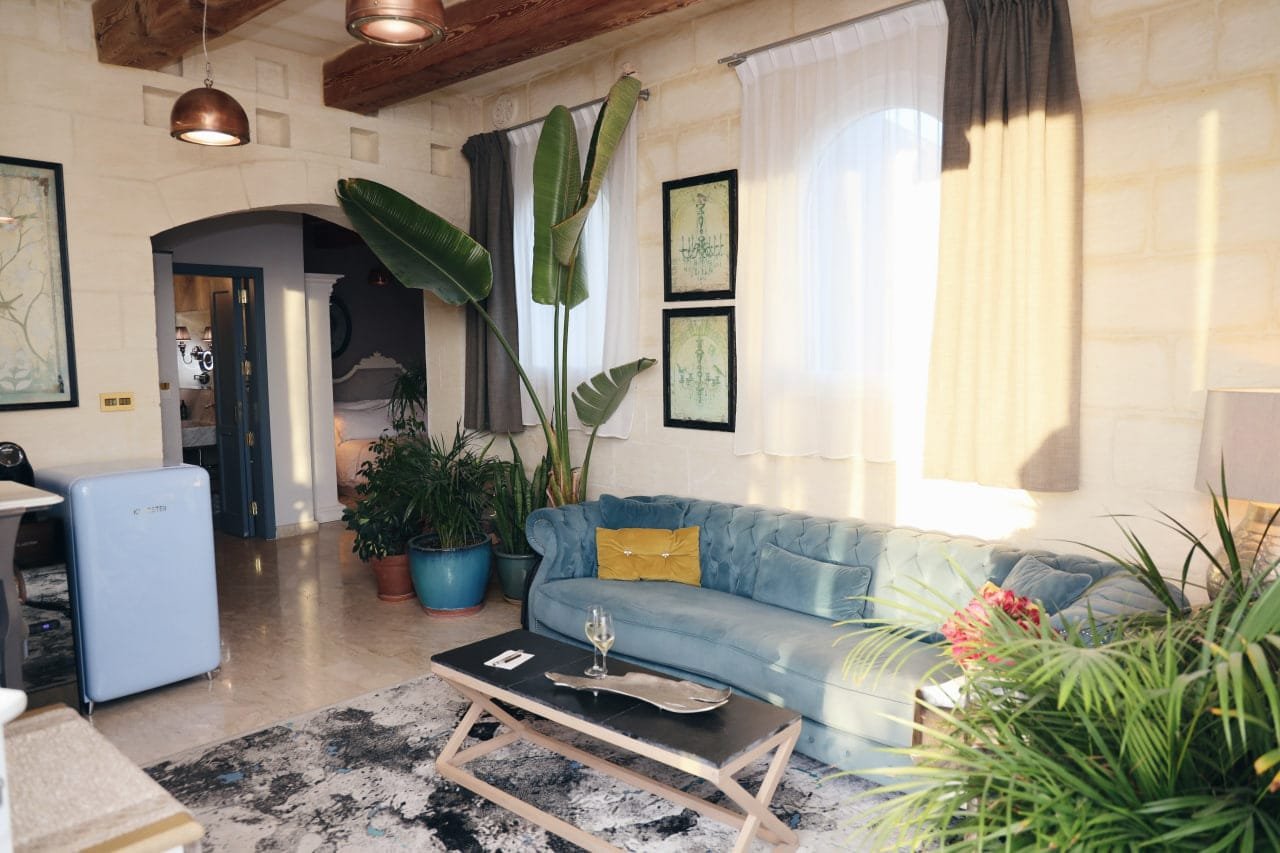
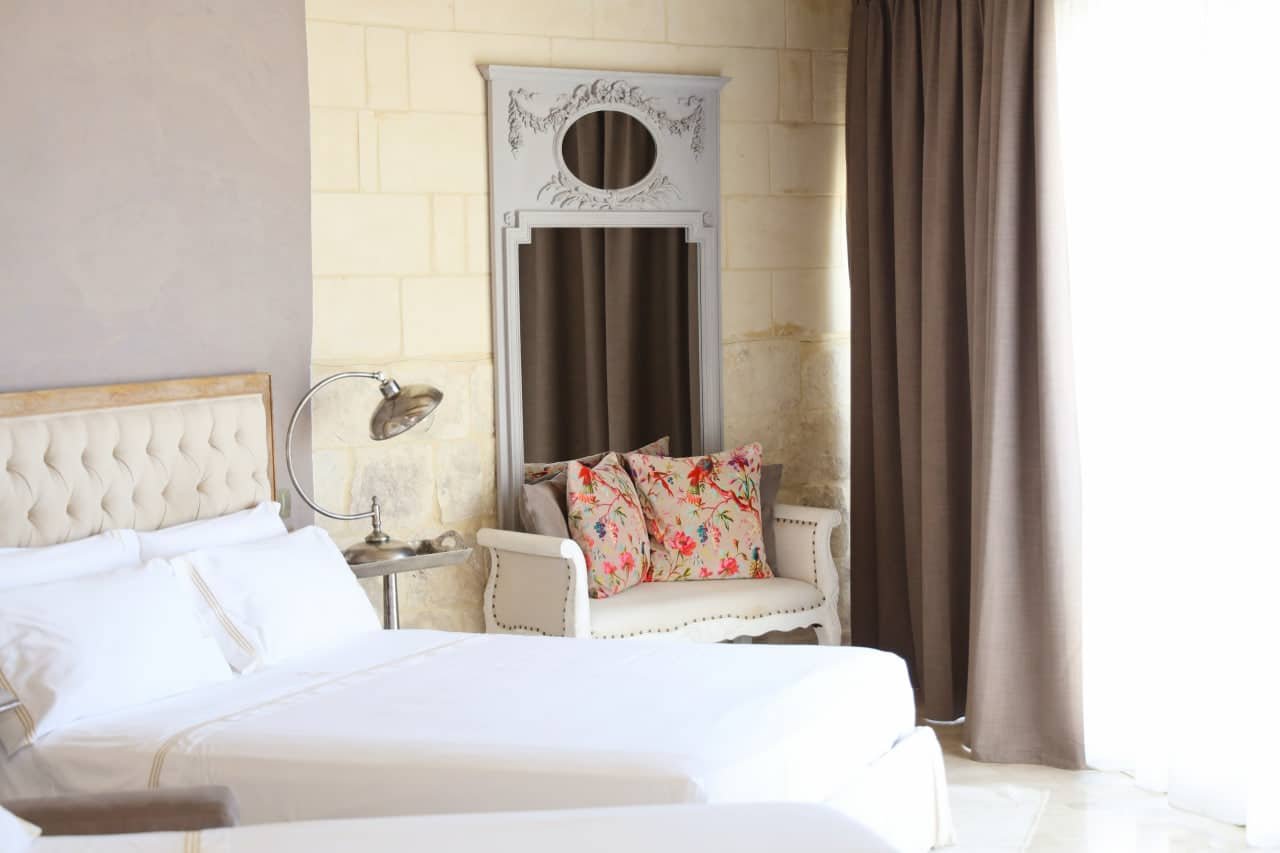
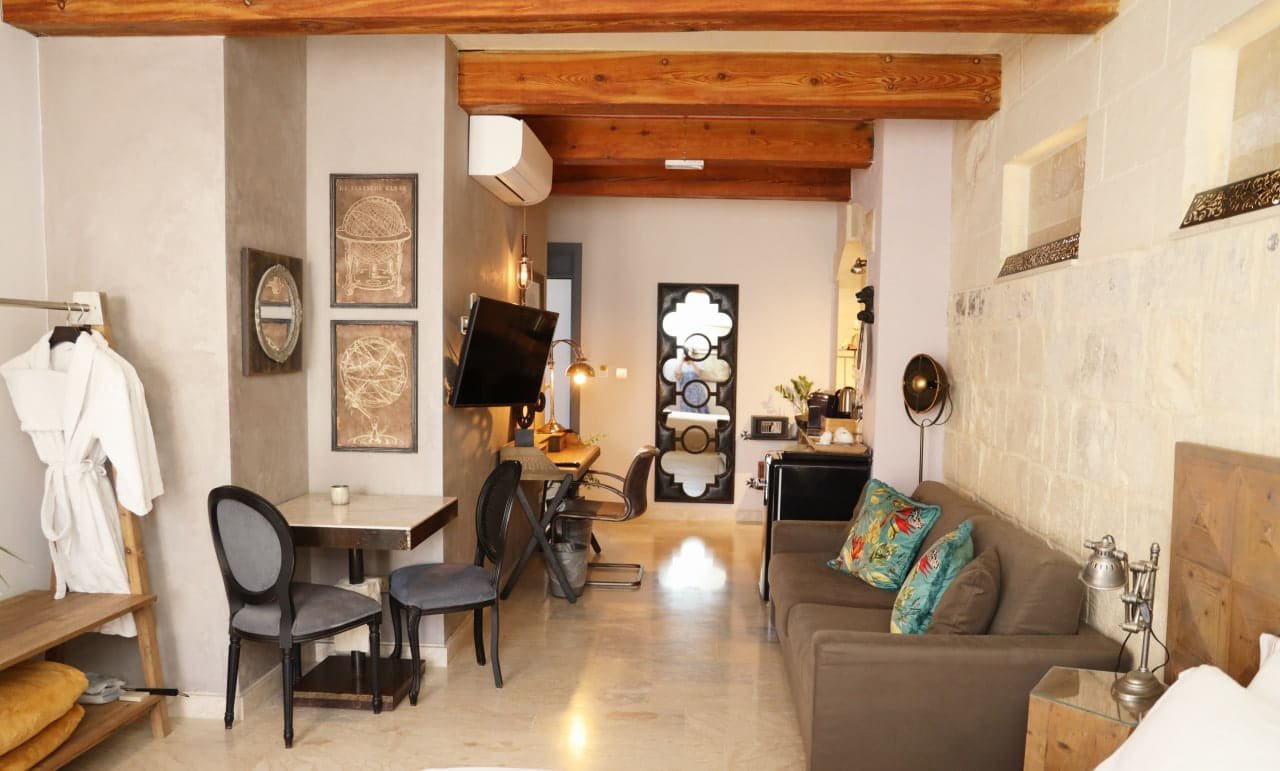
Eventually, we found this beautiful 300-year-old house. It was completely abandoned and in a terrible state, but we could see its potential. We bought it with the intention of restoring it as our family home, and that’s how the whole project started.
Then, about two years into the restoration, we looked at what we were creating and realised that the house was simply far too big for our family.
Just imagine having to wash all those windows… No way! It seemed easier to turn it into a small boutique hotel. What do you think?
Restoring a centuries-old Maltese property took years. What did that period teach you about patience, uncertainty and trusting a vision?
It took us nearly five years to finish, so of course there were moments when I thought, “Is this ever going to end?”
I remember coming to the house every month or so to see the progress, and I would look around and say to Clive, “But what has actually changed since last month? It looks exactly the same!”
And he would be completely enthusiastic: “What do you mean? Look at this! This is going to be here, that is going to be there…” He could already see the finished house while I was still looking at a building site and a complete mess.
I knew how much this project meant to Clive. Restoring an old house had been his dream for many years, and I believed in him and supported that dream all the way through.
The difference was that he could visualise the finished result long before anyone could. Where I saw walls, dust and a building site, he already saw rooms, cosy corners and the life that would eventually fill them.
So even when I couldn’t quite see what he was seeing, I never doubted his vision. I trusted him, supported him and enjoyed watching that vision slowly become real.
Perhaps that’s what those five years taught me: you don’t always have to share exactly the same vision to believe in someone else’s dream.
Lulu feels more like entering someone’s private world than checking into a conventional hotel. Was creating that feeling intentional?
The funny thing is, neither of us had ever worked in hospitality. So when we decided to open a hotel, we were starting completely from scratch. We didn’t really know how the industry worked from the inside.
But we were experienced travellers. We knew what we loved when we stayed somewhere, what made us feel welcome, what we remembered afterwards — and also what we didn’t like. So we simply took all those little things we had appreciated during our own travels and tried to bring them into Lulu.
And then there is Clive. He is naturally incredibly hospitable. Even before Lulu, whenever we had friends at home, people would tell him, “You’re in the wrong business. You should be in hospitality!”
I’m on the other side of hospitality. I love organising things, planning trips and experiences, coming up with different events and making sure everyone can find everything they dream of to make their holidays in Malta unforgettable.
So I don’t think we deliberately sat down and said, “Let’s create a hotel that feels like someone’s home.” It happened naturally because that’s simply how we host people.
Maybe not knowing the rules of hospitality actually helped us. We didn’t create the hotel we thought we were supposed to create. We created the kind of place we ourselves would love to stay in.
Why Żebbuġ rather than one of Malta’s obvious tourist centres?
Żebbuġ was actually a very personal choice for Clive. His grandfather used to live just around the corner, so he grew up knowing the area and even many of the neighbours. There was already a connection to the place.
For me, being a foreigner, it was different. I didn’t have that history attached to a particular Maltese town. For me, anywhere can become special once it becomes home.
And actually, when we first decided to turn the house into a boutique hotel, we did have doubts. Żebbuġ isn’t an obvious tourist destination, and we wondered whether people would really want to stay outside the main tourist areas.
But over the years Malta has become so much busier that I think being slightly away from those areas has actually become one of Lulu’s advantages.
You can spend the whole day exploring the island, surrounded by people, traffic and activity, and then come back here and exhale. You’re in a real Maltese town, somewhere cosy and quiet, where you can slow down and rest.
So something we initially worried might be a disadvantage turned out to be part of Lulu’s charm.
What did Clive bring to Lulu that you could never have created in quite the same way yourself?
I think as a couple we really complement each other. It’s a little like trying to create something with two hands — you simply couldn’t create the same thing with one.
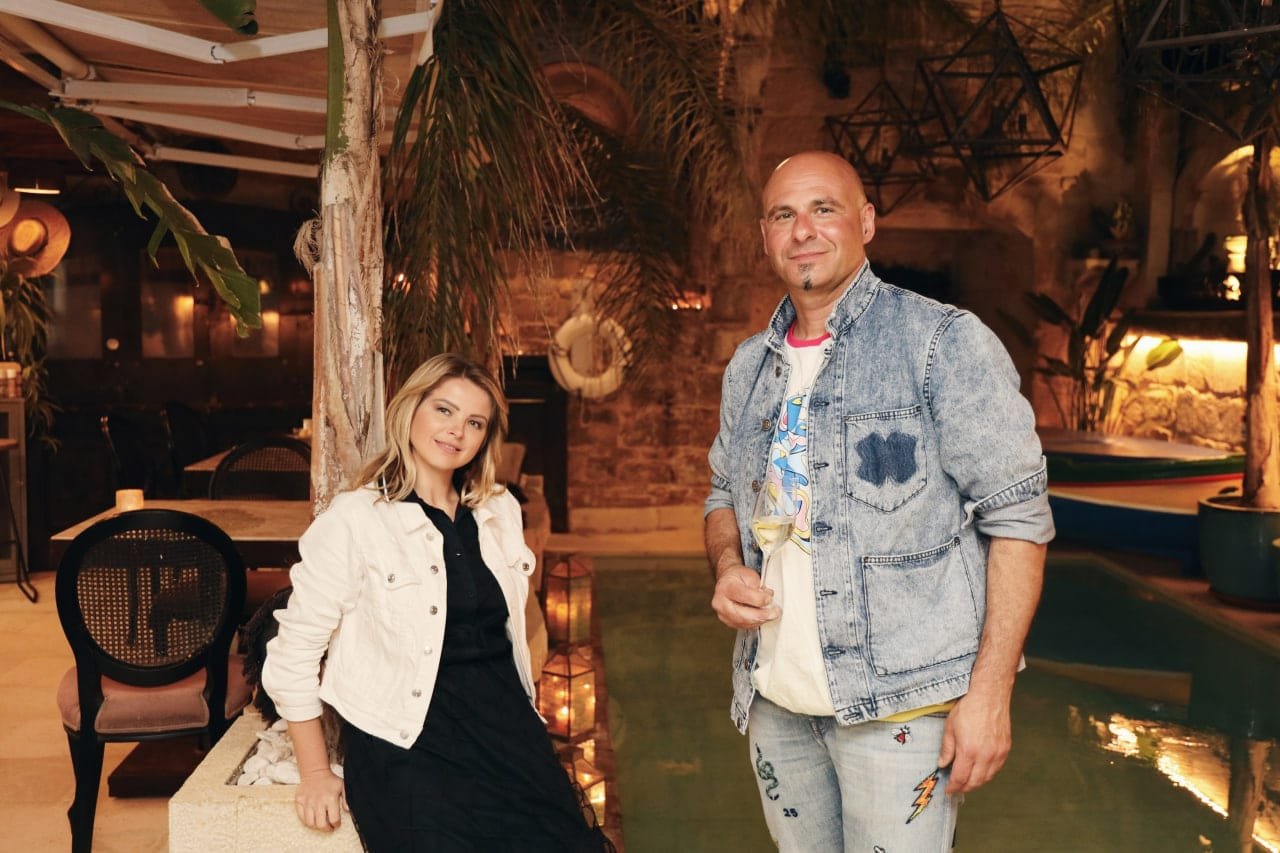
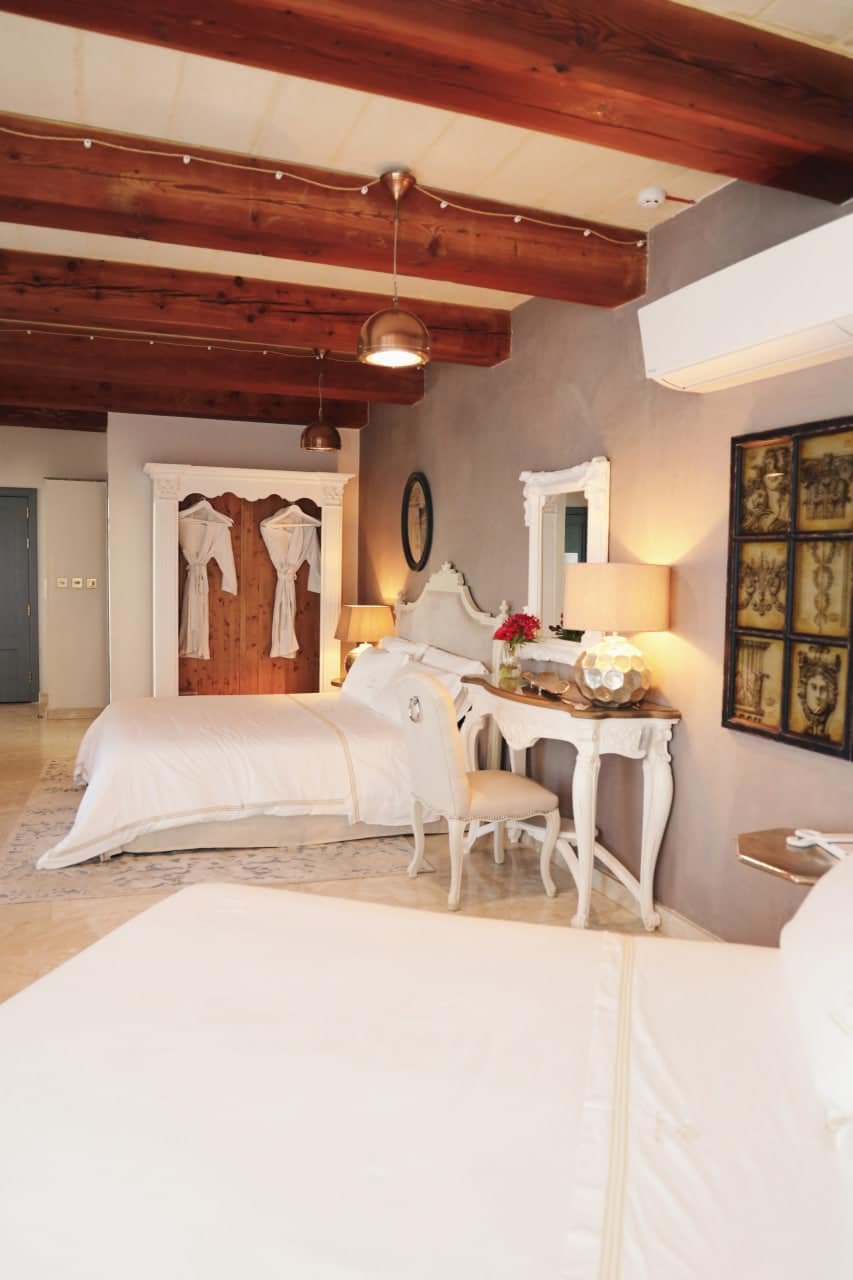
Clive has brought so much of the soul of Lulu: his charm, his kindness, his creativity, his love of making things beautiful and creating all those little cosy corners around the hotel. He has an incredible eye for details that make a place feel warm rather than simply well designed.
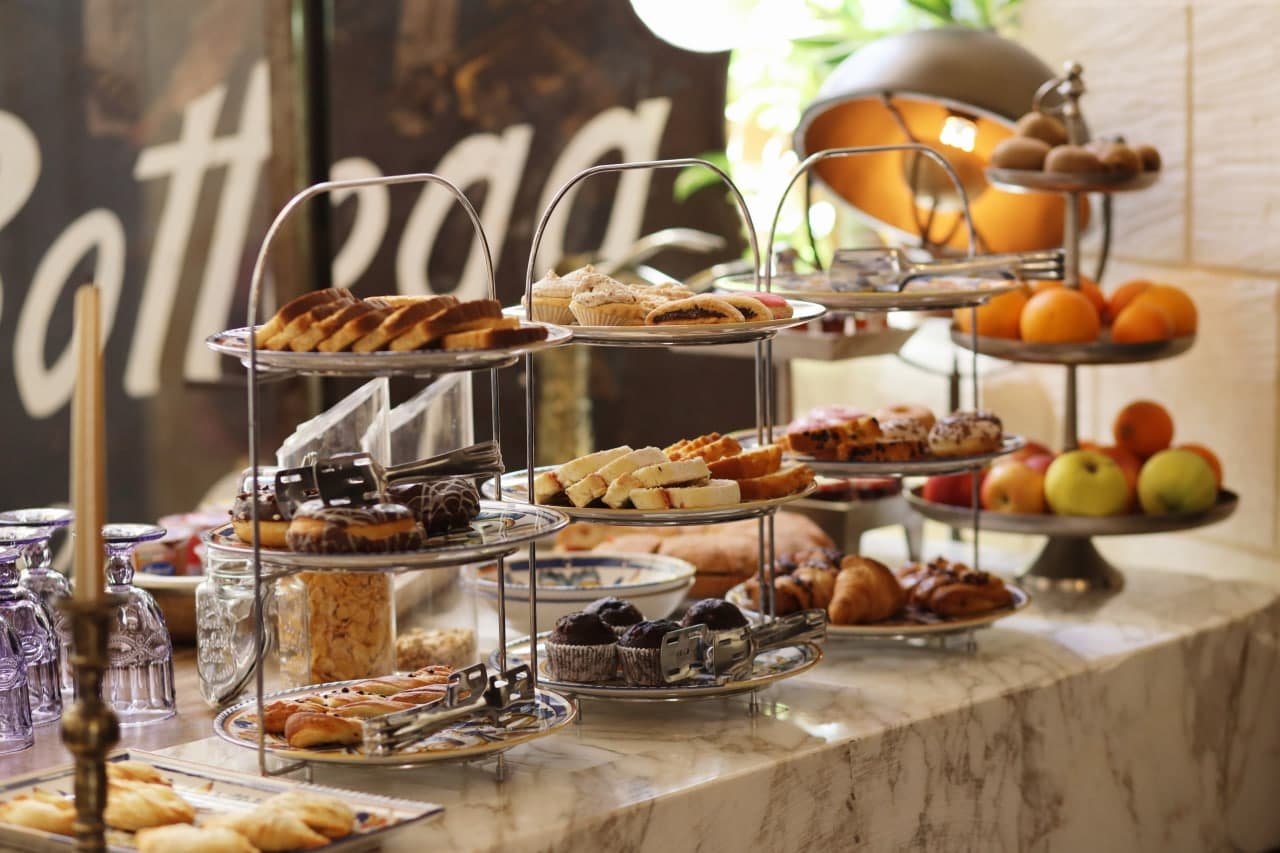
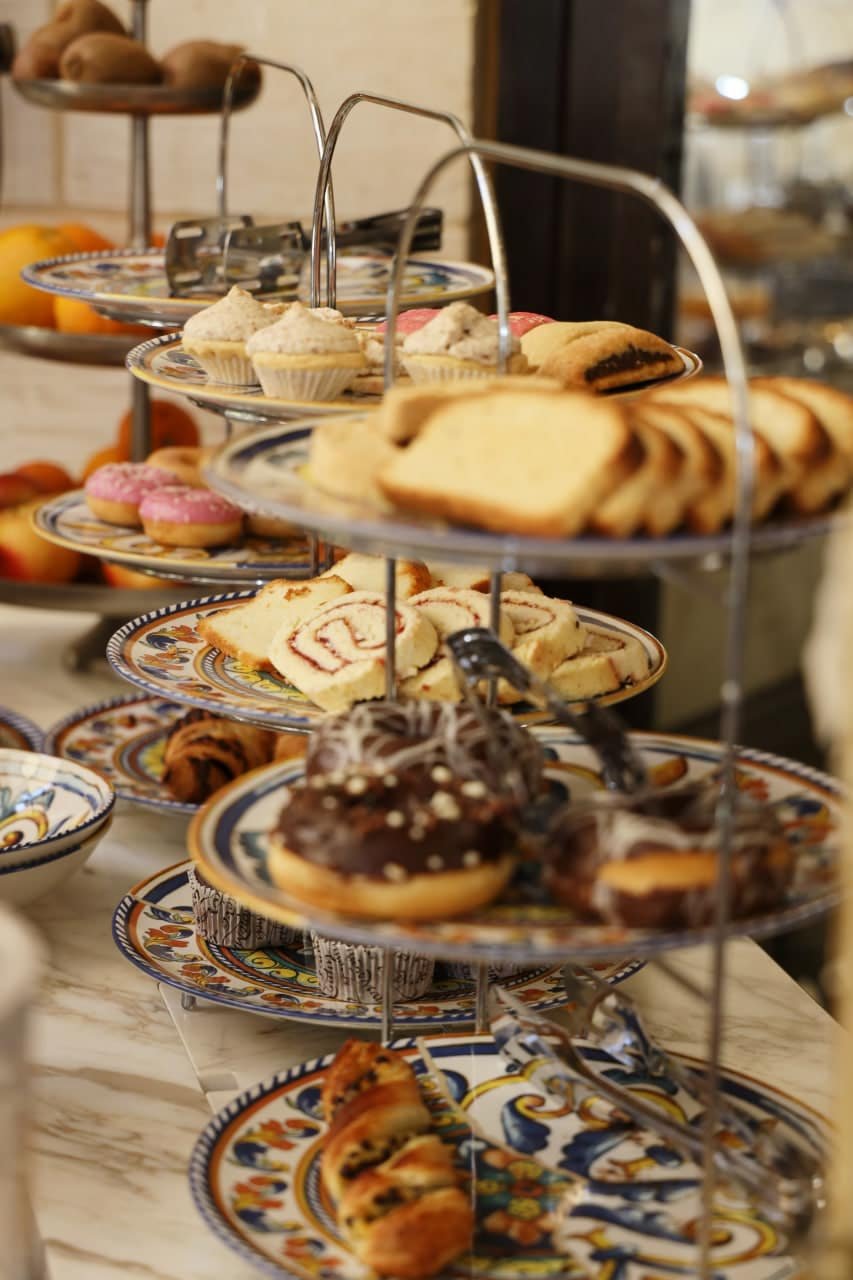
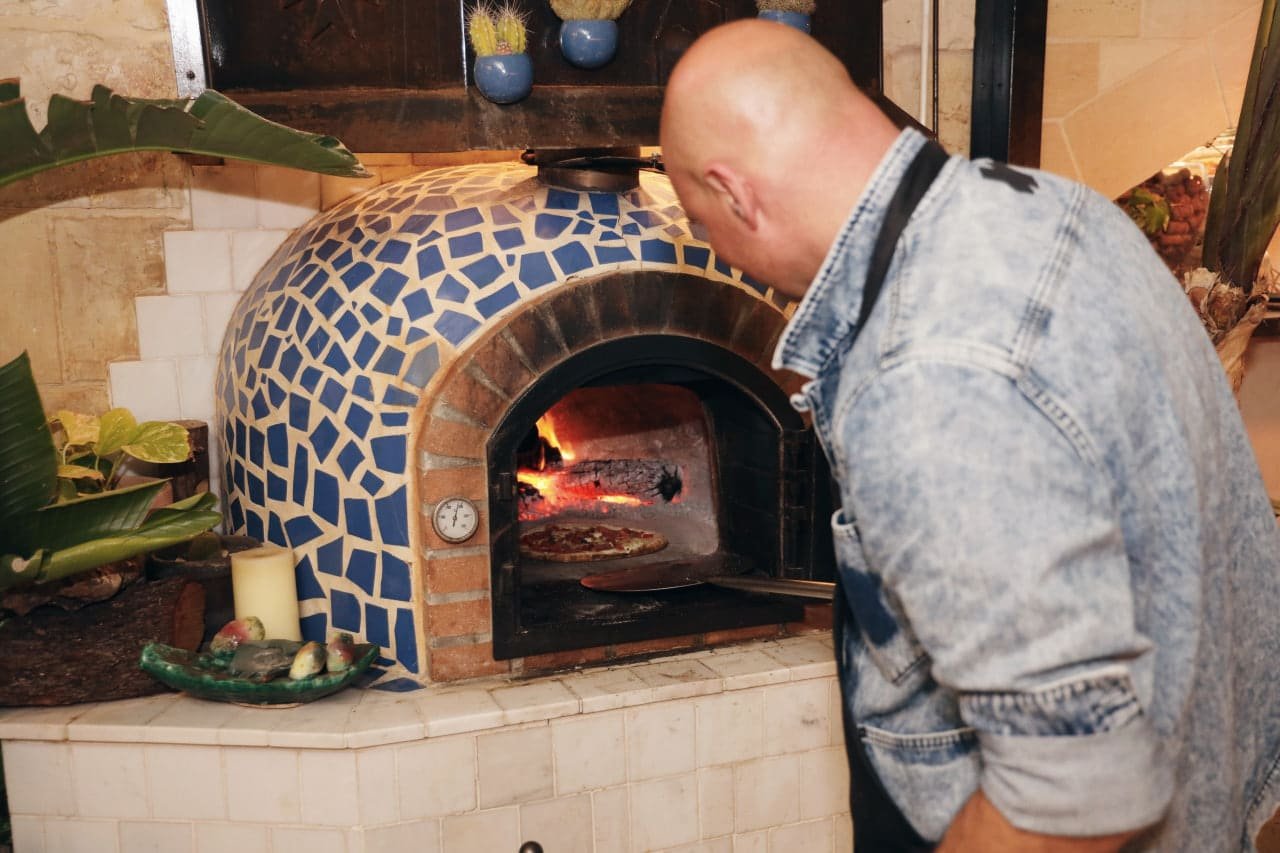
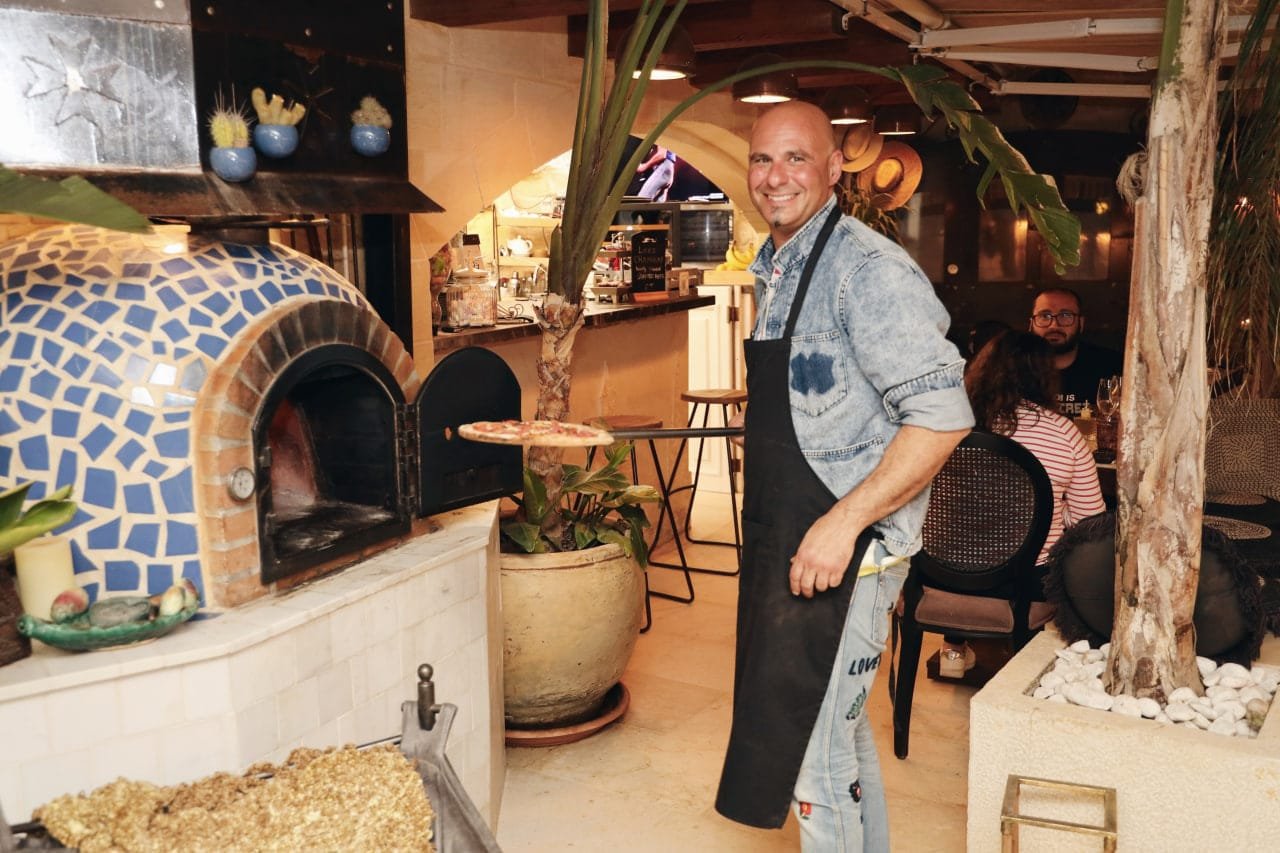
And then, of course, there is his food — and his beloved wood-burning oven! He absolutely loves cooking in it and creating all sorts of homemade delicacies for our guests. For him, food is another way of looking after people and making them feel at home.
That side of Lulu is very much him. I support it, of course, but mostly I get to enjoy and appreciate it just as much as our guests do.
I don’t think Lulu would have the same soul without Clive in it.
And what did you bring to Lulu that perhaps could never have existed without you?
I absolutely love learning new things, so when we decided to open a hotel, suddenly I had this enormous new world to explore.
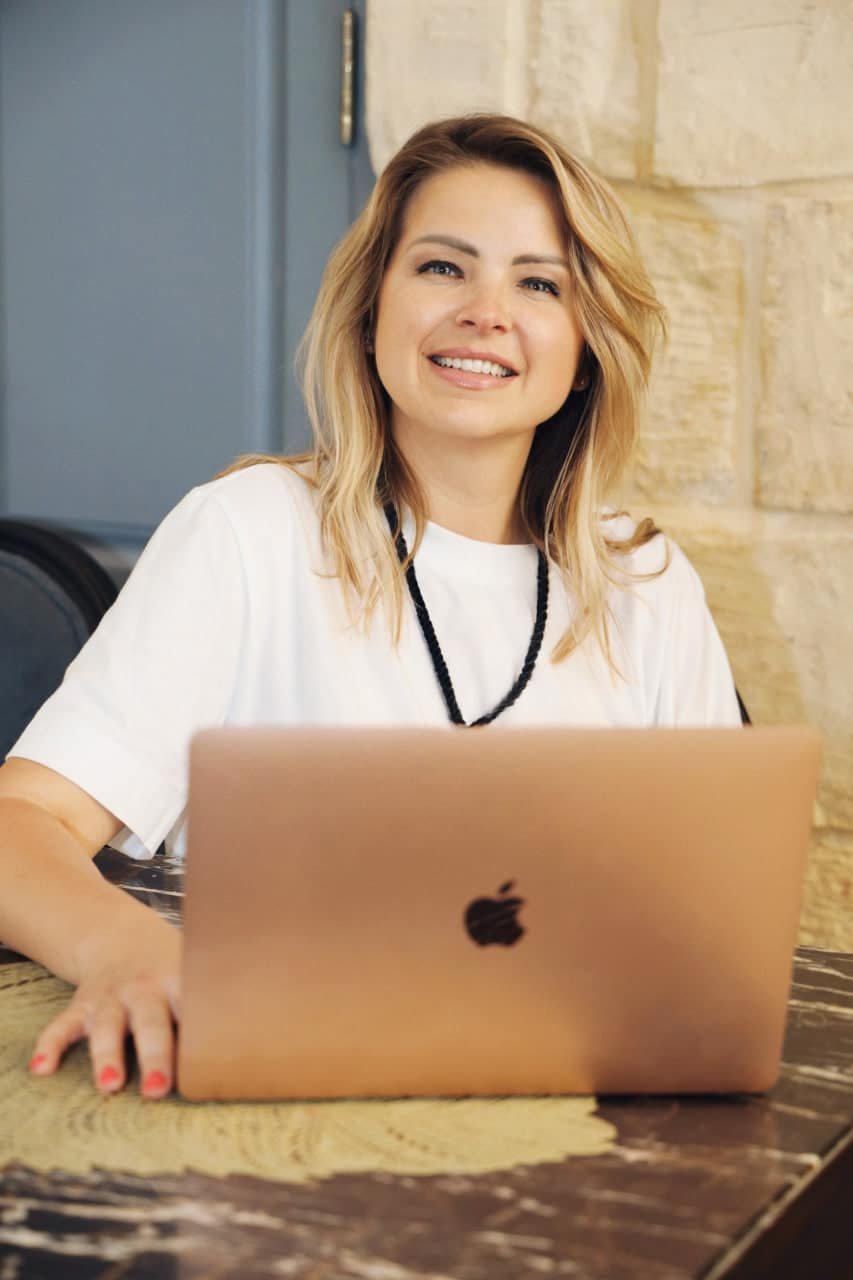
I basically started learning the hospitality business from scratch. I even joined an MBA in Hospitality. I built our website myself, connected the booking systems, and naturally, with my background in finance, I took care of the financial and business side as well.
I also handle most of the communication with our guests, and that often starts six months or even a year before they actually arrive. By the time someone walks through our door, I may already know that they have a special request, an anniversary to celebrate, a marriage proposal I helped to organise, a particular experience they would like to find in Malta, or simply something that would make their stay more personal.
So if Clive brings much of the visible soul and atmosphere to Lulu, I’m probably the person behind the scenes making sure everything connects and actually works.
You could say he creates the magic, and I make sure the magic is planned in advance and organised!
What is your secret to being husband and wife, creative partners and business partners without allowing the business to consume the relationship?
Honestly, I’m not even sure what is supposed to be so difficult about it! For us, it has always felt quite natural.
If anything, having a business together brings more variety into our family life. Hospitality blends into life so easily anyway — cooking, entertaining people, organising events, meeting interesting guests. These are all things we would probably enjoy doing even without the hotel.
One thing that definitely helps is having boundaries. We each have our own areas of responsibility, and we try not to interfere too much in each other’s territory.
And then, of course, there is my exceptional ability to plan everything and understand people perfectly! I’m joking, of course.
But jokes aside, I think one of our real secrets is assuming good intentions. If one of us does something the other doesn’t understand or agree with, we try to start from the assumption that the intention behind it was good. Maybe something went wrong along the way or didn’t come out as intended — but it wasn’t done to hurt or undermine the other person.
That small assumption can change the whole way you deal with a disagreement.
When two strong personalities disagree, who normally has the final word at Lulu?
Well, Clive obviously thinks he has the final word!
I’m joking… although perhaps only partly.
A lot of the rules we have at Lulu were actually created through experience. Something unusual happens, or we have an experience that doesn’t go particularly well, and afterwards Clive becomes very firm: “Right. We’re never doing that again. No more hen parties, no more this, no more that — this is now a rule!”
And once he reaches that point, he can be very difficult to move.
But I’m usually the one who wants to experiment. If I come across a new concept, an unusual event or simply something I find interesting, I want to try it. And if I’m excited enough about an idea, I can normally persuade him to at least discuss it.
That’s how we ended up having a Spanish week with a guest chef from Barcelona, wine tastings, unusual photoshoots, yoga and wellness retreats. We even hosted the TV show “Married at First Sight” twice at Lulu. It was great fun organising activities for the couple and watching the whole process from behind the cameras.
What I like is that once we agree to try something, he really gets involved. Then it stops being just my idea or his idea and becomes something we create together.
So I don’t think either of us really has the final word. We have our own areas where one person naturally takes the lead, but there is always room for discussion — and occasionally for me to convince Clive that one more experiment is an excellent idea!
When did you begin feeling that external achievement was no longer enough and that you wanted to understand yourself and life on a deeper level?
For me, it happened quite naturally. I don’t think there was ever a moment when I suddenly decided that external success wasn’t enough.
I had always been interested in psychology, but that interest became much deeper when I had children.
Children are incredible teachers. I think as parents we somehow expect them to be like us — and then you discover that they are absolutely not! They arrive as complete individuals, with their own personalities, interests, preferences and ways of seeing the world.
And suddenly your job is to respect this individuality while somehow still guiding them and helping them grow into independent, fulfilled human beings. Psychology helped me enormously with that, because very quickly you realise that in order to understand your children, you also have to understand yourself.
Later, the timing in my life simply changed. Lulu became more established, the children grew older, and for the first time I had more space and time to explore these questions seriously.
I started going much deeper into self-development. I studied regression practices and completed several transformational programmes with Katerina Prokhortseva, which gave me new ways of understanding and accepting myself, other people and the way we experience life.
And then, somewhere further along that path, Leela appeared in my life.
Which philosophies, teachers, practices or ideas have affected you most recently?
I come from a Christian background, but I wouldn’t describe myself as particularly religious. Throughout my life I’ve been curious about different traditions, philosophies and thinkers. I’ve explored Buddhism and Kriya Yoga, and I’ve been interested in the work of Carl Jung, Irvin Yalom, Eckhart Tolle and Erich Fromm, among others.
I think what I’ve been looking for is a way of understanding something we all experience but cannot necessarily touch or measure.
We live in a very material world, but at the same time we constantly use words like soul, soulful connection, soulmates, atmosphere, energy. We recognise when we have a deep connection with someone. We can walk into a place and somehow feel something about it. We may not always know how to explain these experiences, but they are part of being human.
I sometimes compare it, jokingly, to Wi-Fi. You can’t see or touch Wi-Fi either, but you’re very aware when it disappears!)))
For me, spirituality is not about choosing a religion or rejecting the material world. It’s about recognising that a human being has different dimensions. We have a physical body, a mind, emotions — and I believe we also have a soul.
And I think a good life comes from finding some kind of balance between all of them, rather than developing one while completely ignoring the others.
That is probably the philosophy that resonates with me most today. And I try to make it practical rather than theoretical. Breathwork, Pilates and yoga all help, but so does finding a balance between work and rest, family time and time for myself, learning new things and simply connecting with nature.
Has this inner work changed the way you react when life does not follow your plans?
Oh, absolutely. Although when you say, “life doesn’t follow your plans,” the first thing I would say is that I don’t really have one big master plan for my life!
So when the route changes, I’m often more curious than frightened. I think, “Okay, interesting… where is this turn going to take me? Which way do I want to go at this crossroads?” I actually enjoy that uncertainty. It adds variety — and a little spice — to life.
And when it comes to spirituality, I’m really not interested in theory for the sake of theory. I’m a very practical person. Whenever I learn something new, I want to take it into real life almost immediately and observe: does this actually work? Does it change the way I react? Does it help me understand another person better?
That’s where these ideas become meaningful to me — in conversations with guests, in running the hotel, in my relationship with my husband, and especially with my children.
For me, being conscious doesn’t mean knowing all the right spiritual concepts. It means noticing yourself while life is actually happening — your reactions, assumptions and choices — and then having a little more freedom in what you do next.
Otherwise, knowledge is just something you take from a shelf, read and put back on a dusty shelf again. And where’s the fun in that?
Where do spirituality and everyday business actually meet for you?
I think one of the simplest examples is our cancellation policy.
Years ago, I had an experience myself when my visa was delayed and I had to postpone a trip. I missed the hotel’s free-cancellation deadline by literally a few hours, even though the stay was still two or three weeks away. I explained the situation, but their response was basically, “Those are the terms.” They charged the full amount and weren’t interested in hearing anything else.
I remember thinking that perhaps they were completely right according to the rules — but it didn’t feel very human.
So at Lulu, we have cancellation terms, of course. We are a business and we need them. But I always try to look at the person behind the reservation. If someone has a genuine family situation, an accident, a medical emergency or a missed flight — life happens. I would rather understand the circumstances than automatically say, “These are the rules, goodbye.”
In six years, I can probably count on one hand the number of times I’ve actually charged a cancellation fee. Usually it was when people simply didn’t bother to contact us at all and we were waiting until two or three in the morning before finally realising nobody was coming. Then yes — I charge!
And there is something else I find fascinating. Very often, when I decide to let a cancellation fee go, those exact dates get booked again almost immediately. I’m not presenting that as some universal spiritual law — it’s simply something I’ve noticed happening again and again.
I think the same philosophy applies to our team and our guests. We build relationships with people as people, not simply as employees or clients. We’ve had virtually no staff turnover; people stay with us for years. The same goes for our guests. Some have become friends over the years, return to Lulu regularly, and sometimes we even visit them. You could say we’ve been lucky — and perhaps we have — but I also think it’s about a genuine connection with people.
So for me, this is where spirituality and business meet: in everyday decisions where you can choose between simply being right according to the rules and also being human.
How did Leela first enter your life, and what made you want to share it with other people?
I discovered Leela completely by accident. I heard about it in an interview and immediately became curious.
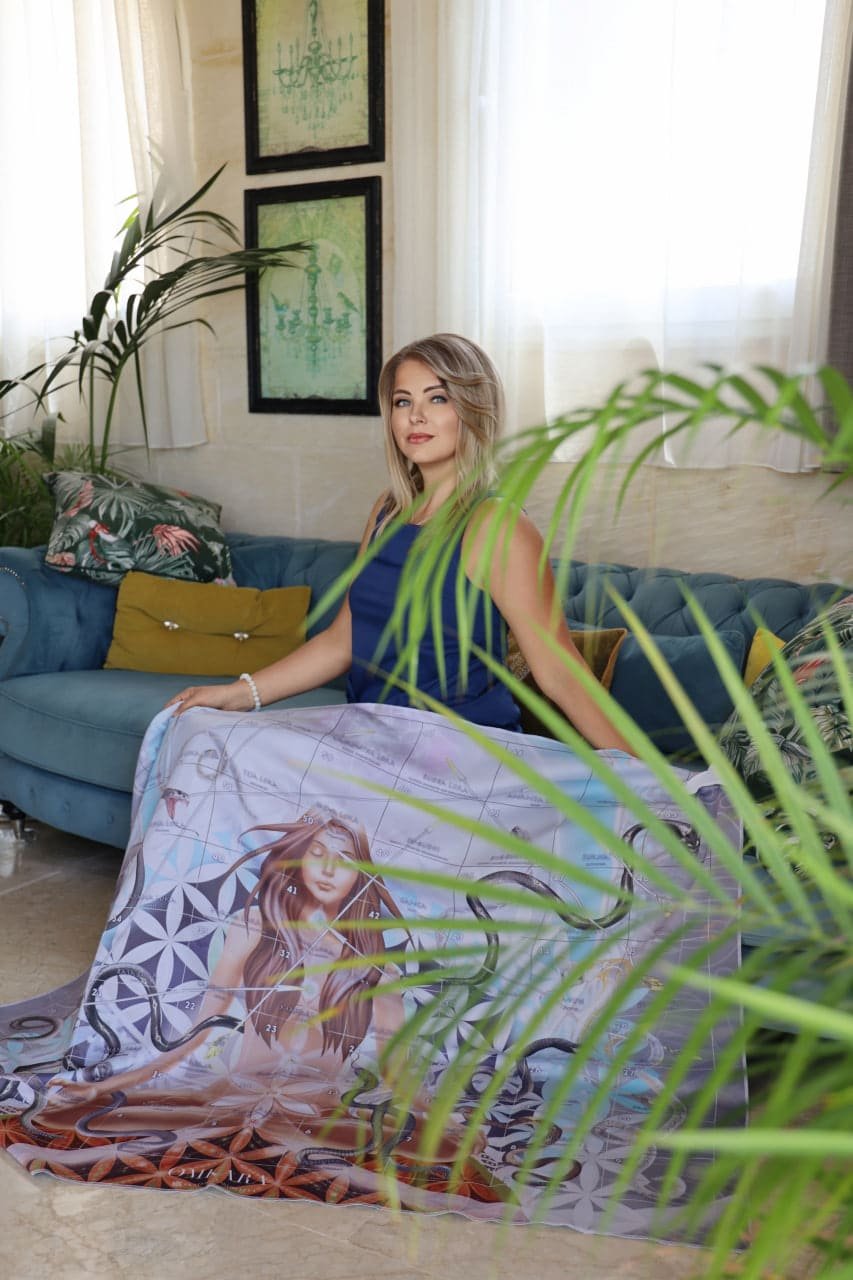
Leela has its roots in an ancient Indian game of self-knowledge. The version I discovered has 72 spaces, each representing different states and experiences that human beings encounter throughout life.
And that was what fascinated me. It doesn’t really matter whether you’re a professor, a pilot, a plumber, a shop assistant or a business owner — underneath all those roles, we experience many of the same human states: fear, attachment, anger, jealousy, compassion, joy, purpose, clarity. They appear in different forms, but they are part of all our lives.
So naturally, I wanted to try it.
My first experience completely amazed me. I fell in love with the game almost immediately because of the way it helped me hear answers from within myself.
Nobody was sitting opposite me telling me what I should do with my life. Instead, the game took me through a particular sequence of states and questions, and I kept recognising myself and my own life in what was appearing.
In everyday life, when an answer comes from somewhere inside you, you can immediately start questioning it: “Did I imagine that? Is that really what I think? Am I just telling myself what I want to hear?”
During that first Leela experience, something felt different. I could see the connections unfolding in front of me, and the answers felt surprisingly clear.
That was the moment I thought: I really want to understand how this works. And eventually, I wanted to learn how to guide other people through the same experience.
For someone hearing about Leela for the first time, what actually happens during the game?
The simplest way to describe Leela is probably as a board game for self-discovery.
You come to the game with a question or an intention — something in your life you would like to understand better. It can be about a relationship, work, a decision you’re struggling with, a repeating pattern, or simply a feeling that you’re stuck and don’t quite know why.
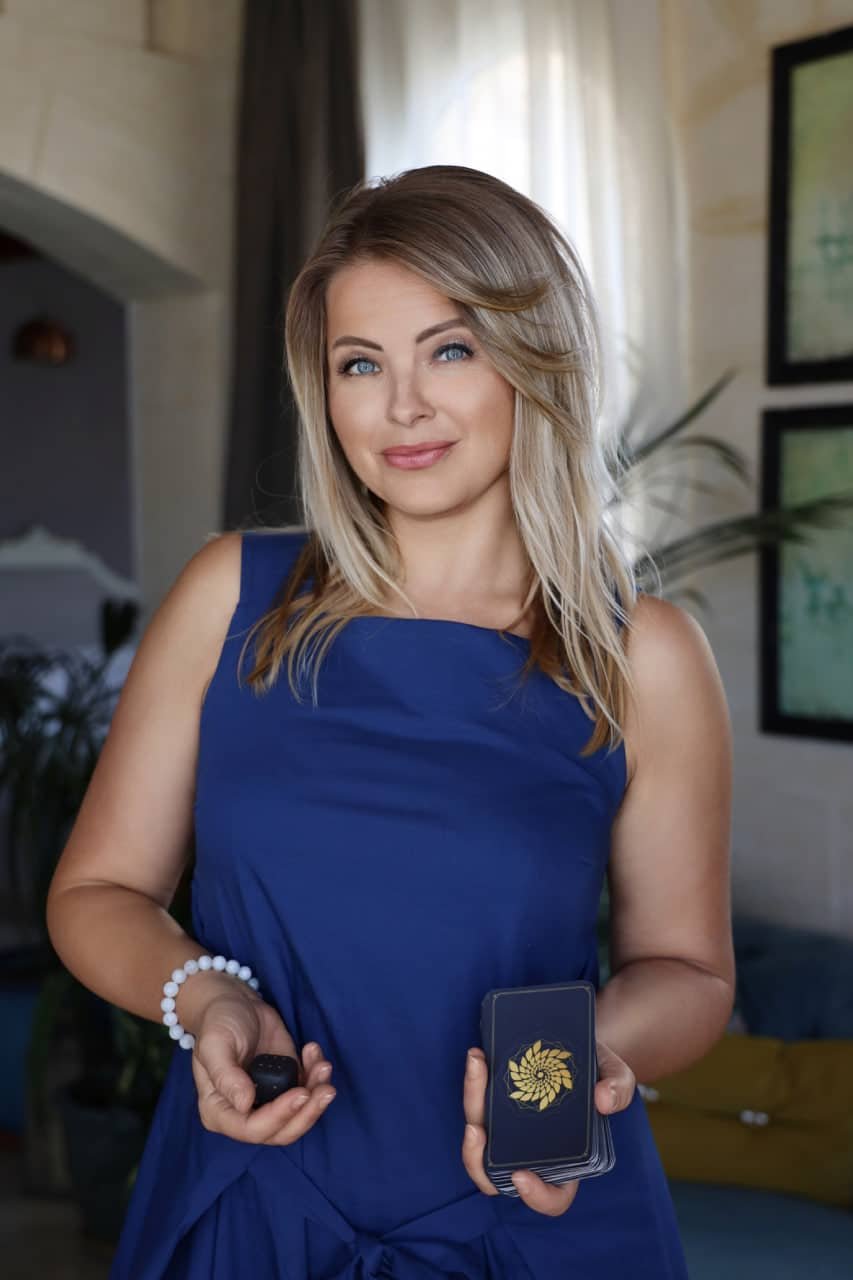
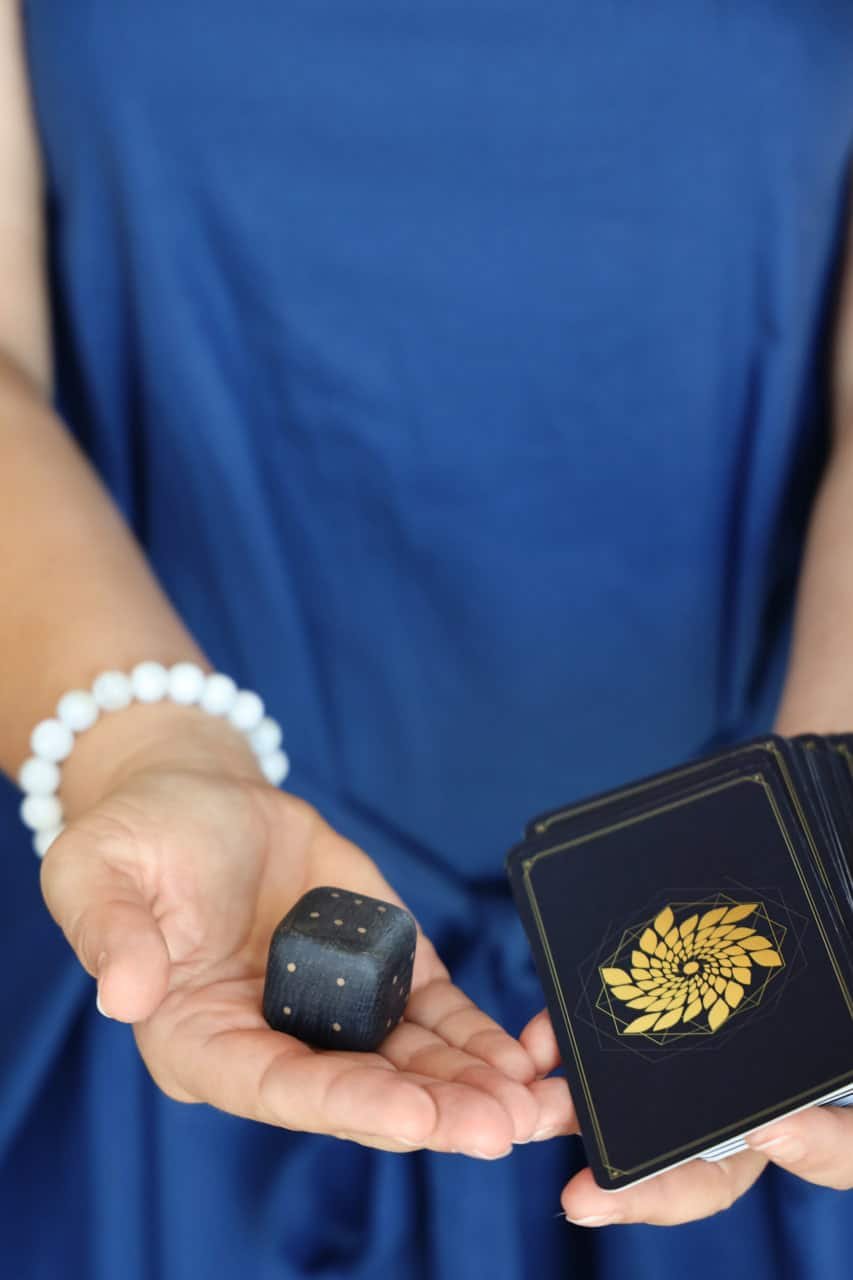
The board has 72 spaces, representing different human states and aspects of our experience. You move through the game by throwing a dice, and wherever you land becomes the next point of exploration.
Some cells have arrows that take you forward, others have snakes that take you backwards — but what I particularly like about Leela is that neither is really “good” or “bad”. Sometimes going backwards is exactly where you need to go in order to see something you’ve been avoiding.
My role as a facilitator is not to interpret your life for you or tell you what your answer is. I explain the meaning of the cell, ask questions, sometimes challenge you to look at something from a different angle — but the recognition has to come from you.
When we talk about our own lives, we naturally tend to follow familiar paths. We tell the same stories, explain why things happened, defend our decisions and often arrive at conclusions we already know.
In Leela, you don’t choose the next subject. The dice does. Suddenly the game may place you in front of a question you would never have thought to ask yourself — and yet somehow it connects to your original intention.
Another thing I love about Leela is that, in a sense, it is an experience without an intermediary. You throw the dice with your own hand. You land on the different states. And ultimately, you are the one who recognises what they mean in the context of your own life.
Of course, I’m there as a facilitator, but I’m not there to give you my interpretation of who you are or what you should do. I try to keep my own projections and assumptions to a minimum.
The experience belongs to you. You make the connections, you find the meaning, and you decide what resonates and what doesn’t. You remain the author of your own insights.
There are no winners or losers. Leela doesn’t give you advice or predict your future. It creates a structure in which you can see yourself from a different perspective — and sometimes recognise an answer that, somewhere inside, you already knew but perhaps needed to trust.
What kinds of questions or moments in life bring people to Leela?
People come to Leela with incredibly different questions.
Sometimes they’re at a crossroads — considering a change in career, a relationship, a move or another important decision — and they want clarity about what is really holding them back or what they genuinely want.
Sometimes there is a repeating pattern: “Why do I keep ending up in the same kind of relationship?” “Why do I know what I want but never actually do it?” “Why does this particular person trigger me so much?”
And sometimes there isn’t a clear problem at all. A person may say, “Everything in my life is actually fine, but something feels missing. I don’t even know what my question is.”
I really like those requests too.
You definitely don’t need to be in crisis to play. Curiosity is enough.
And Leela isn’t only for adults, which is another side of the game that I find fascinating.
There is a special version for children, with a slightly different board and adapted rules, and I’ve played it with my own children. It’s a completely different experience because children often approach the game with much less analysis and fewer preconceived ideas than adults do.
It can also be very interesting with teenagers, especially around questions of identity, studies and future direction. My own fifteen-year-old daughter, for example, is currently facing all those decisions about which subjects to choose and what direction she may eventually want to take professionally.
At that age, everyone has an opinion about what you should do — parents, teachers, friends. Leela can create a space where a teenager can put some of that outside noise aside and listen to their own doubts, concerns and interests.
I think that ability to hear yourself is valuable at any age.
What do you hope a person will leave with after completing a Leela experience with you?
I think everyone leaves with something different, and that’s part of what I love about Leela.
For one person, the game may simply confirm something they already knew deep down but were afraid to trust. Someone else may suddenly notice possibilities they hadn’t considered before. Another person may leave with a sense of calm or confidence about a decision.
Sometimes people discover emotions they didn’t even realise were there, simply because they had never looked into those hidden little corners of themselves before.
And what is also fascinating is that you don’t necessarily have to be the one playing to recognise something. Sometimes people observe another person’s game, hear their reflections, and suddenly something resonates with their own life. Someone else’s journey can unexpectedly become a mirror for you too.
So I don’t have one particular result that I hope everyone will achieve. I don’t think that’s how Leela works. Each person takes from the experience what is relevant to them at that particular moment.
But one thing I do believe: nobody leaves empty-handed.
Could Leela represent another turning point in your life — and where do you see Ludmila five years from now?
If I look back, almost every major change in my life happened quite suddenly — and none of them could have been predicted five years in advance.
Five years before moving to Malta, I could never have imagined that I would one day live on this island. Five years before Lulu, we had no idea that we would create a boutique hotel. And Leela was the same — it appeared unexpectedly, caught my curiosity and somehow became an important new part of my life.
So could it be another turning point? Absolutely. But I have no idea yet where that turn will lead — and I think that’s part of the fun.
What I can see is the direction of my curiosity. Leela isn’t the only thing I’m exploring. I’m also interested in deep interviewing and personality typology — different tools, but all connected by the same fascination: understanding ourselves better. I’m not particularly interested in telling people who they are. I’m much more interested in creating questions and experiences that help people discover something about themselves.
So I genuinely don’t know where I’ll be five years from now. And actually, I’m quite comfortable with that.
What I do know is what I’ll take with me wherever life goes next: my positive attitude, my curiosity, everything I’ve learned along the way, my love for people and, most importantly, my love for my family.
And I hope they’ll be there with me as we continue this journey through life.
VISIT LULU BIUTIQUE HERE
BOOK YOUR LEELA EXPERIENCE HERE