For a long time, personal branding was reduced to visuals, logos, polished feeds, and the ability to stay visible online. But that is only the outer shell. A real personal brand begins much earlier — in self-awareness, in clarity, in the courage to stand inside your own identity without borrowing someone else’s tone, image, or direction. This is exactly where my work with women begins.
Across pageantry, editorial features, international representation, PR coaching, and media positioning, I have met many women who are talented, beautiful, accomplished, and highly capable — yet still disconnected from the way they present themselves to the world. They may know how to dress for the stage, how to smile for the camera, how to answer questions correctly. Yet something still feels blurred. The woman is there, but her message is not. Her image exists, but her presence is not fully translating.
That gap is where personal branding becomes essential.
To me, personal brand is not a trend. It is the meeting point between who a woman is privately and how she is perceived publicly. It is her voice, her values, her visual language, her standards, her story, and the emotional tone she leaves behind after she walks out of the room. It is not about becoming louder. It is about becoming clearer.
This is why I do not guide women by building a false version of themselves. I help them identify what is already strong, already distinct, already worthy of being seen — then shape it into a form the world can recognize. That may happen through pageant coaching, interview preparation, article development, image direction, visual styling, stage presence, or media exposure. But the real work is always deeper than the format.
I help a woman ask the right questions.
Without that clarity, visibility becomes noise.
We live in a time where women are asked to be present everywhere at once — online, in business, in public life, in collaborations, at events, in media. Yet visibility on its own means very little. A woman can be seen constantly and still remain undefined. She can post every day and still not communicate who she is. She can be admired visually and still leave no lasting impression.
That is why positioning matters.
When I work with women, I am not helping them “look good” in a generic sense. I am helping them become legible. I want their public image to reflect their inner structure. I want the way they speak, dress, move, write, and present themselves to feel connected. When that alignment happens, people trust it. They feel it immediately. A strong personal brand does not chase attention. It holds coherence.
This is especially important for women who enter pageantry or public platforms later in life. Many of them come with history. They are wives, mothers, entrepreneurs, professionals, women who have already built something substantial. They do not need a costume. They need articulation. They need someone who can see the depth they carry and help translate it into image, language, and public presence without reducing them to clichés.
That has become one of the central parts of my work.
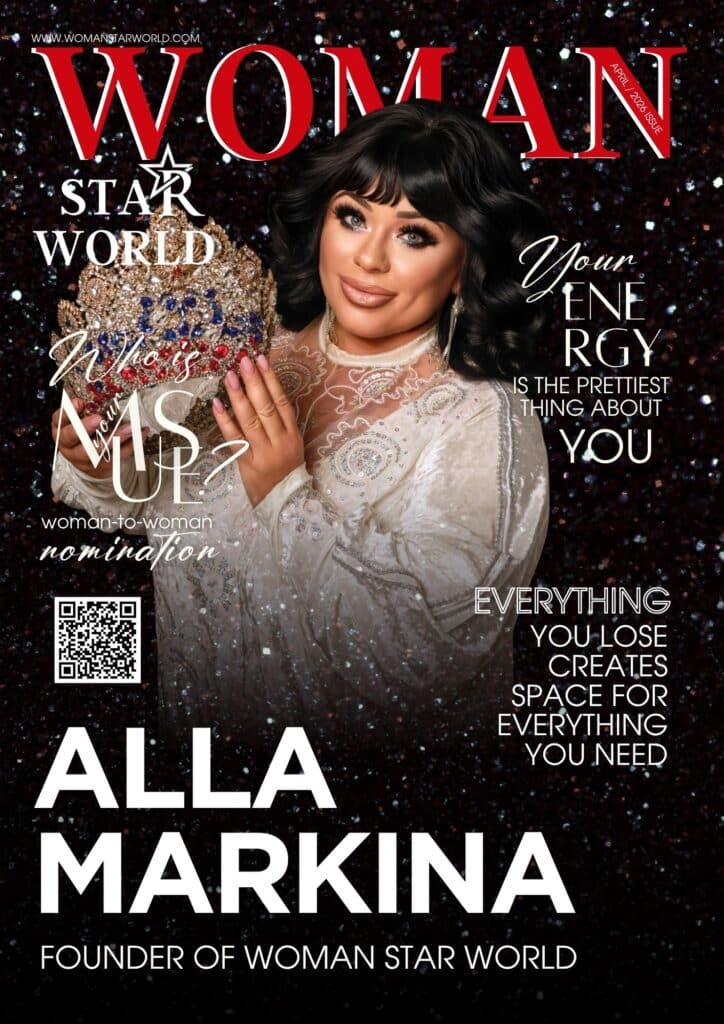
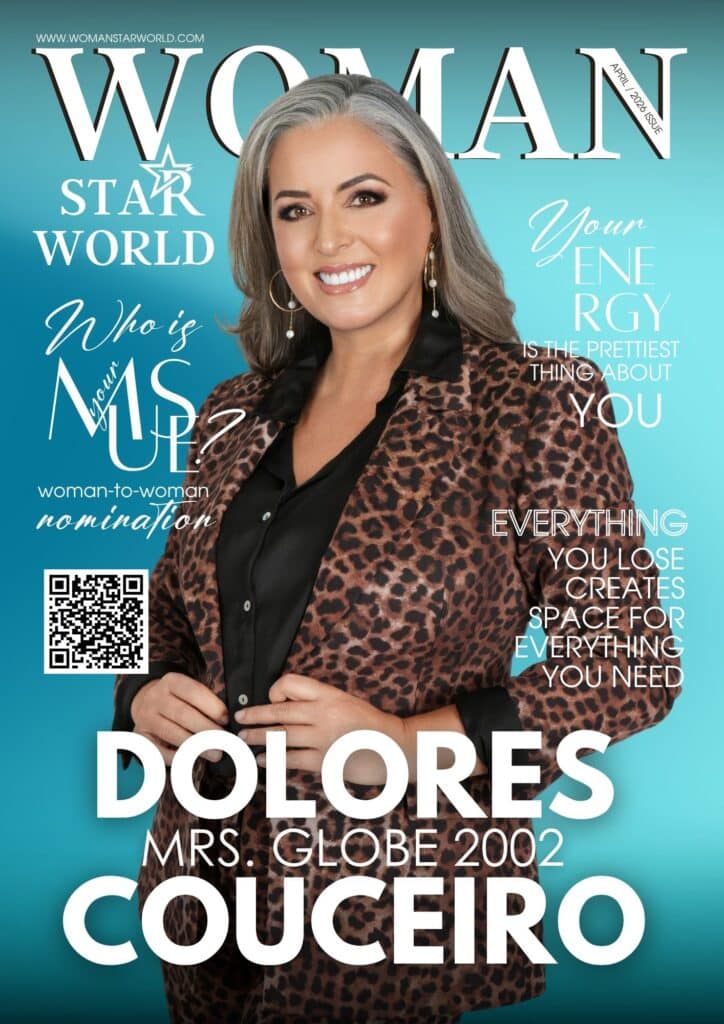
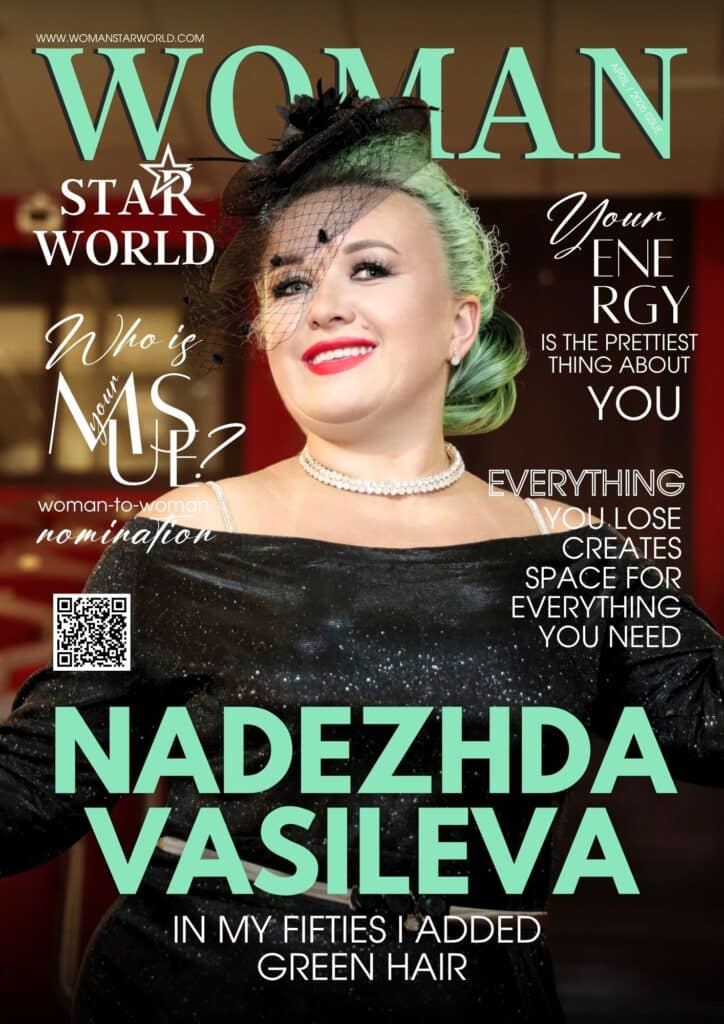
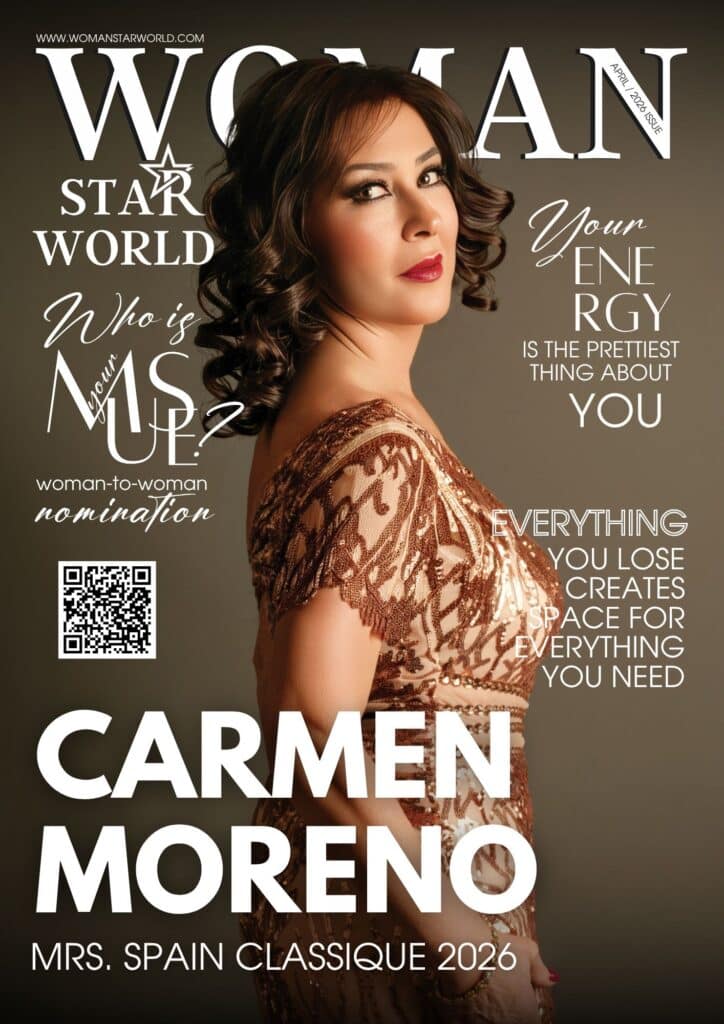
Through Woman Star World, through my direction within pageant systems, and through private PR guidance, I have created spaces where women can be presented with beauty, polish, and visibility — but without losing themselves in the process. I believe a woman should never have to erase her complexity to become marketable.
Her maturity, background, contradictions, life experience, femininity, discipline, sensuality, intelligence, and cultural identity are not obstacles to branding. They are the material of it.
It allows a woman to enter collaborations with confidence, to speak to media with precision, to represent a title with depth, to promote her business with consistency, and to move through public life with far less confusion. It gives direction to her visuals, shape to her story, and strength to her positioning.
And perhaps most importantly, it protects her from dilution.
Today, collaborations are everywhere. Shared audiences, partnerships, crossovers, public events, magazine features, social media campaigns — all of these can be powerful. But they only work well when a woman knows who she is before she joins forces with others. Otherwise she disappears inside stronger voices, trend-based aesthetics, or borrowed narratives.
So when I guide women, I am not simply preparing them for a title, a feature, or a public appearance. I am helping them create an identity that can travel with them across rooms, countries, industries, and stages. An identity that remains intact whether they are being photographed, interviewed, applauded, introduced, or building something quietly behind the scenes.
That is personal branding as I see it.
Not vanity. Not self-advertising. Not decoration. It is self-definition with direction. And in my work, it has become one of the most valuable things I can offer a woman: not just visibility, but the ability to be seen in a way that is unmistakably her.
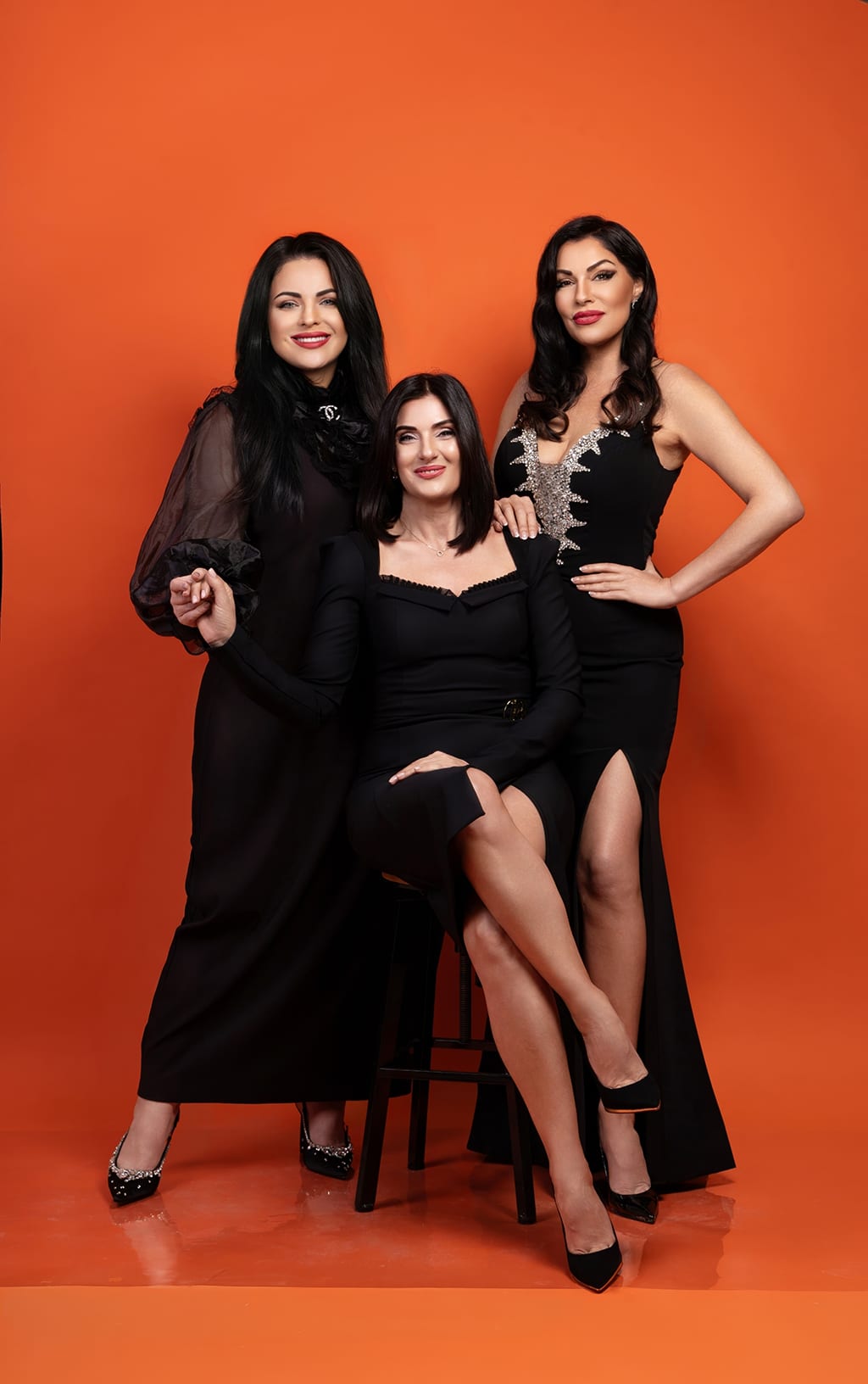
Beyond crowns, titles, and stage light, pageantry can become something far richer: a space where a woman defines herself in public with clarity.
This is the side of pageantry I have lived for many years as a director, producer, and mentor. People usually see the polished result — the gown, the sash, the applause, the photographs. What often remains unseen is the inner structure behind a woman who arrives truly prepared. Not simply trained, but shaped in her image, message, self-awareness, and public presence.
That is where my work begins.
Directing queens, for me, has never been limited to guiding appearances or preparing a contestant for a single event. A woman can be beautiful, articulate, and photogenic, yet still not know how to carry herself in a way that leaves a true impression. She may win attention and still remain undefined.
This is why I have always seen pageantry as a wider platform.
When a woman comes under my direction, I do not focus only on how she will perform in one moment. I look at what this experience can awaken in her. I look at the image she is building, the story she is telling, the tone she carries, and what remains after the crown, the interview, or the shoot is over.
This is where my producer’s eye becomes essential. I bring over twenty years of experience in PR, media production, storytelling, and personal inner growth into the way I guide my queens.
I do not separate stage from narrative, or image from identity. I do not see a delegate as a contestant alone. I see a woman entering a visible chapter of her life, and I ask myself . how to help her take the very best from what pageantry can offer.
Sometimes that means refining how she speaks.
Sometimes it means clarifying who she is in public.
Sometimes it means shaping her visual language so it reflects her with greater precision.
Sometimes it means helping her leave behind a smaller version of herself.
And sometimes it means protecting her from becoming a performance.
This matters deeply to me.
A director can teach posture, styling, timing, interview discipline, and media presence. All of that has value. But without a genuine desire to see a woman thrive, the work stays mechanical. I do not believe a director can be truly useful without sincerely wanting women to grow, expand, and come into stronger possession of themselves.
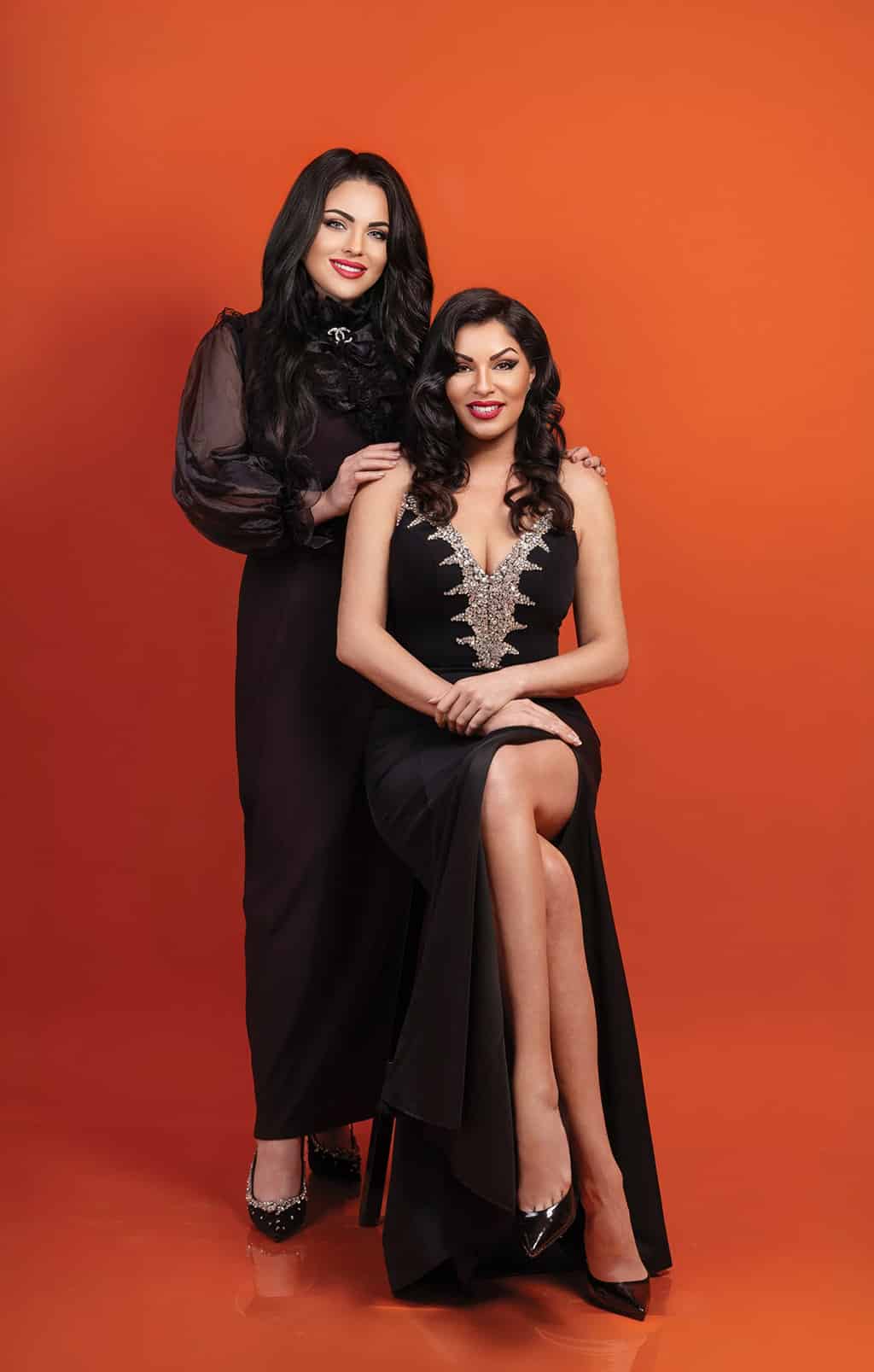
Women feel the difference immediately.
They know when they are being processed by a system. They know when they are being refined for a result. And they know when someone is truly seeing them.
I have always wanted the women I guide to feel seen. Seen in what makes them magnetic. Seen in what makes them hold back. Seen in what can be strengthened. Seen in what has stayed hidden for too long. That is why pageantry, in the right hands, can offer far more than a title. It can teach a woman how to stand in public without shrinking.
It can sharpen the way she communicates. It can reveal where she has underestimated herself. It can help her carry beauty with depth and visibility with meaning.
A crown may mark a victory. But the deeper win is when a woman stops presenting fragments of herself and begins presenting a whole. That is the transformation I care about most.
Of course, results matter. Representation matters. Public image matters. I come from a world of media and production, so I understand very well that a queen must know how to exist in photographs, interviews, partnerships, digital platforms, and real social spaces. She must know how to carry a title with consistency and intelligence. She must know how to build trust around her image and leave an impression that outlives a single appearance.
But none of that should be empty.
That is why storytelling is such a central part of my direction. I help a woman identify the line that connects her life, her image, her title, and her voice. Once that line becomes clear, everything changes. Her presence gains structure. Her communication gains depth. Her appearances stop feeling random. Her title begins to work for her in a much stronger way.
She no longer looks like a woman simply wearing a sash.
She looks like a woman who means something.
Another value that has always been central to my work is unity among my queens. I have never believed that pageantry should teach women to see one another as rivals first. Discipline, ambition, and high standards all matter, but the atmosphere around a woman matters too.
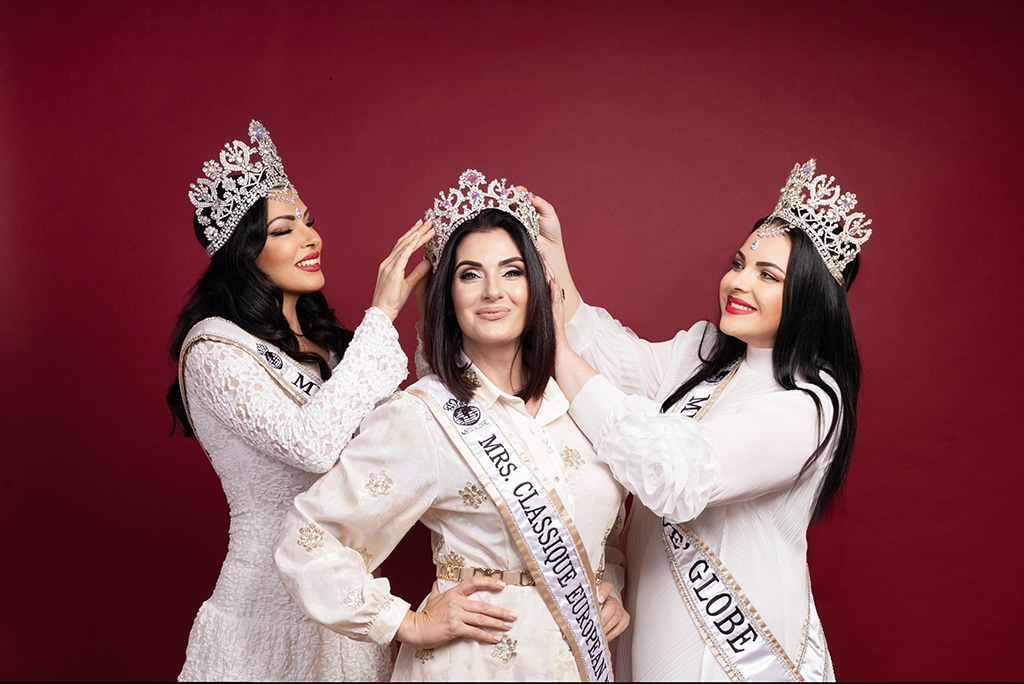
I always work to build sisterhood, mutual respect, and a real sense of community between the women I guide. This is not an extra detail for me. It is part of the foundation. A woman grows differently when she feels supported by other women and understands that another woman’s success does not take anything away from her own.
Without this human side, pageantry easily becomes toxic. It turns into comparison without depth and ambition without warmth. I have never wanted that around the women I manage. I want them to leave with strong memories, deeper self-knowledge, and meaningful bonds. That is why I do not try to create separation between women. I try to create an atmosphere where each one can rise fully and still feel part of something healthy, uplifting, and real.
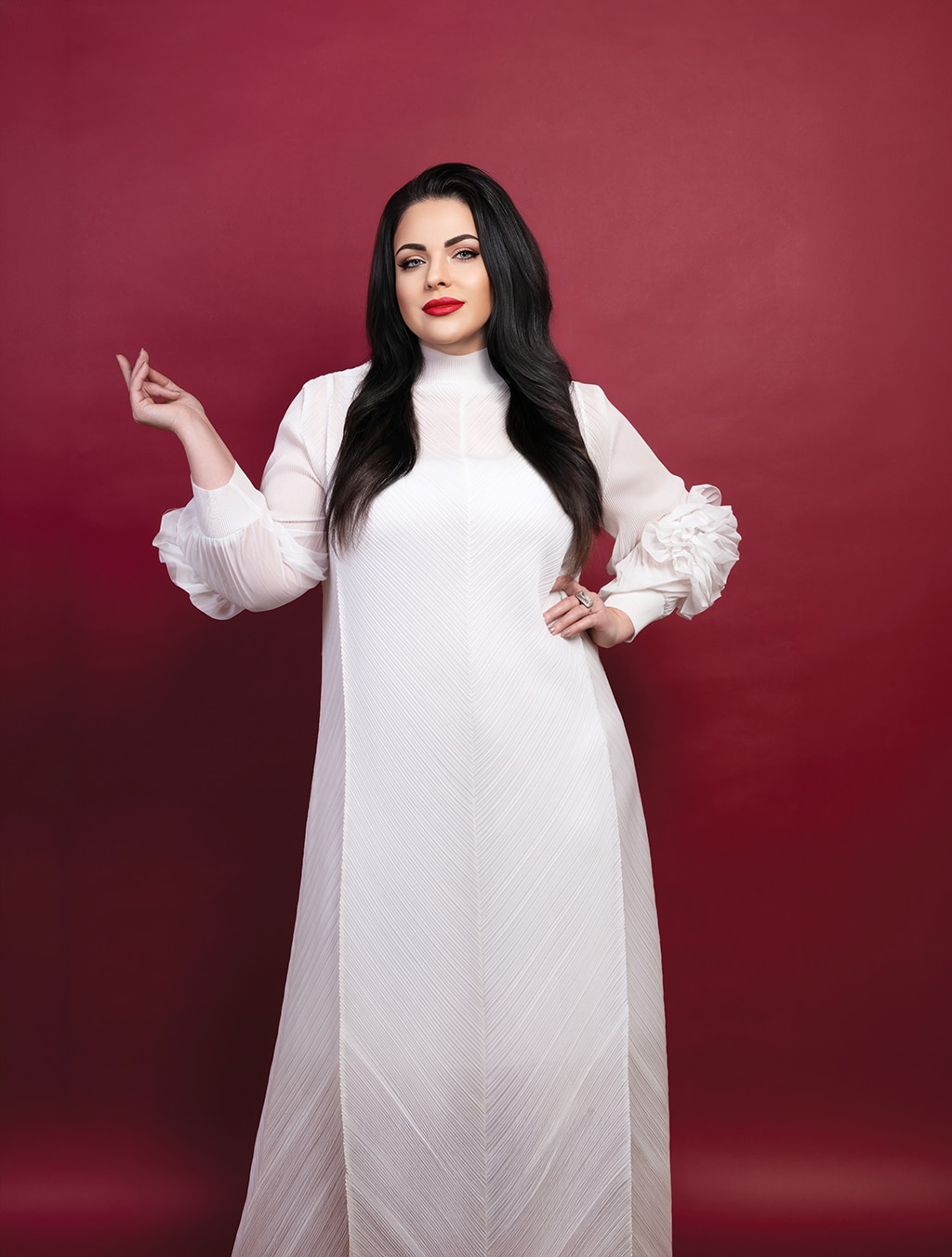
That, to me, is pageantry beyond crowns, titles, and sparkles. It is a space where beauty meets direction, public image meets substance, and a woman learns how to carry her name with far greater strength.