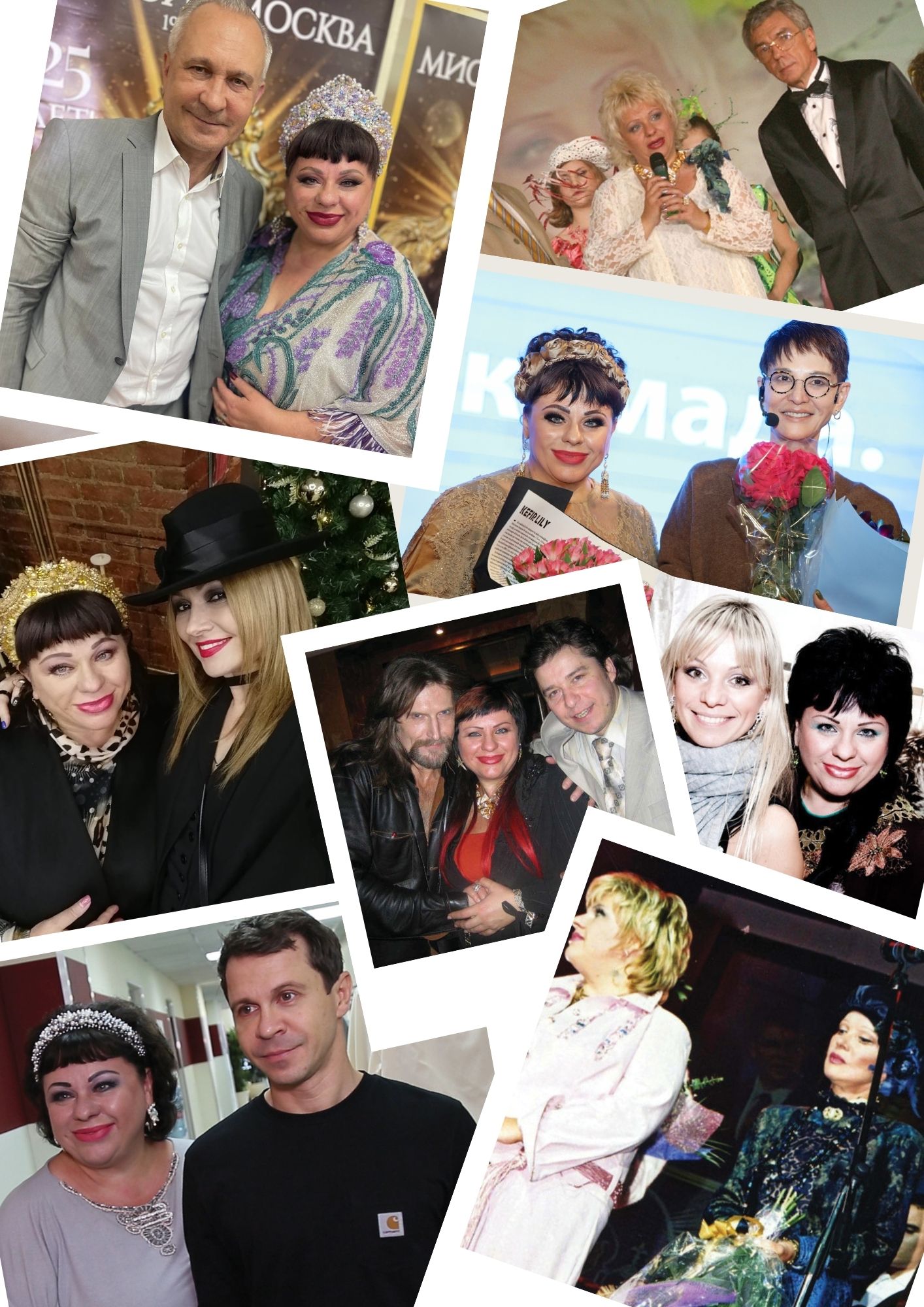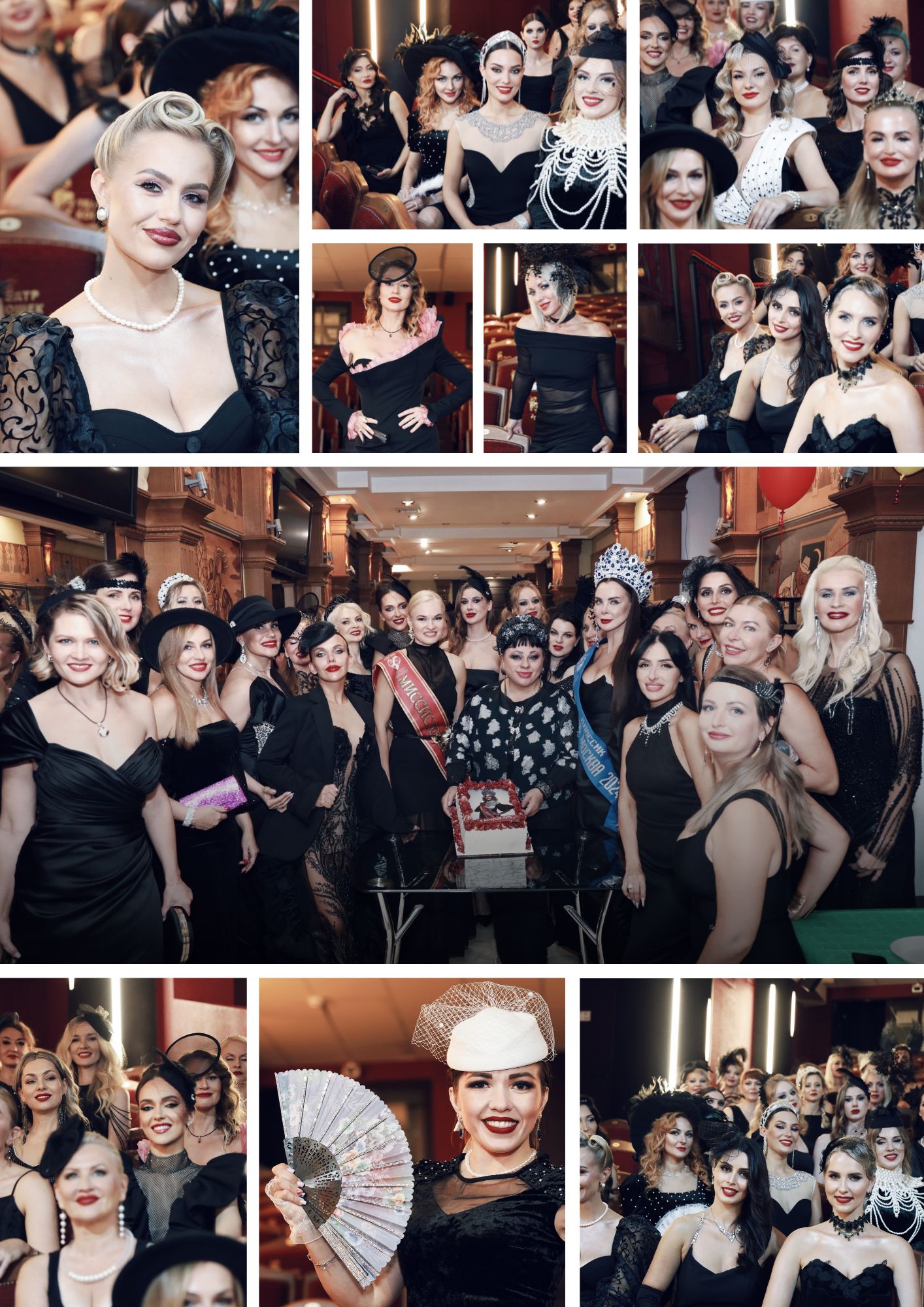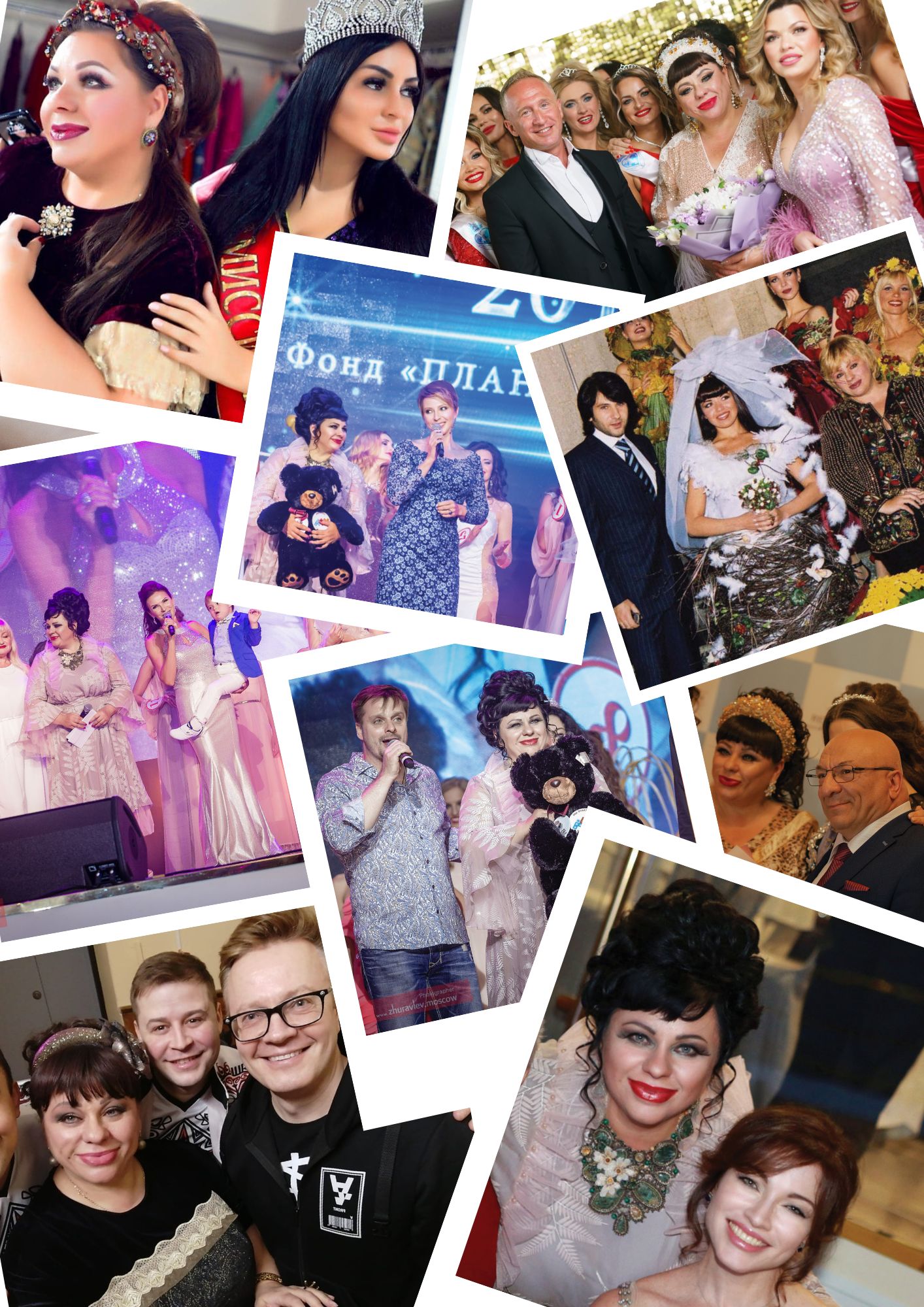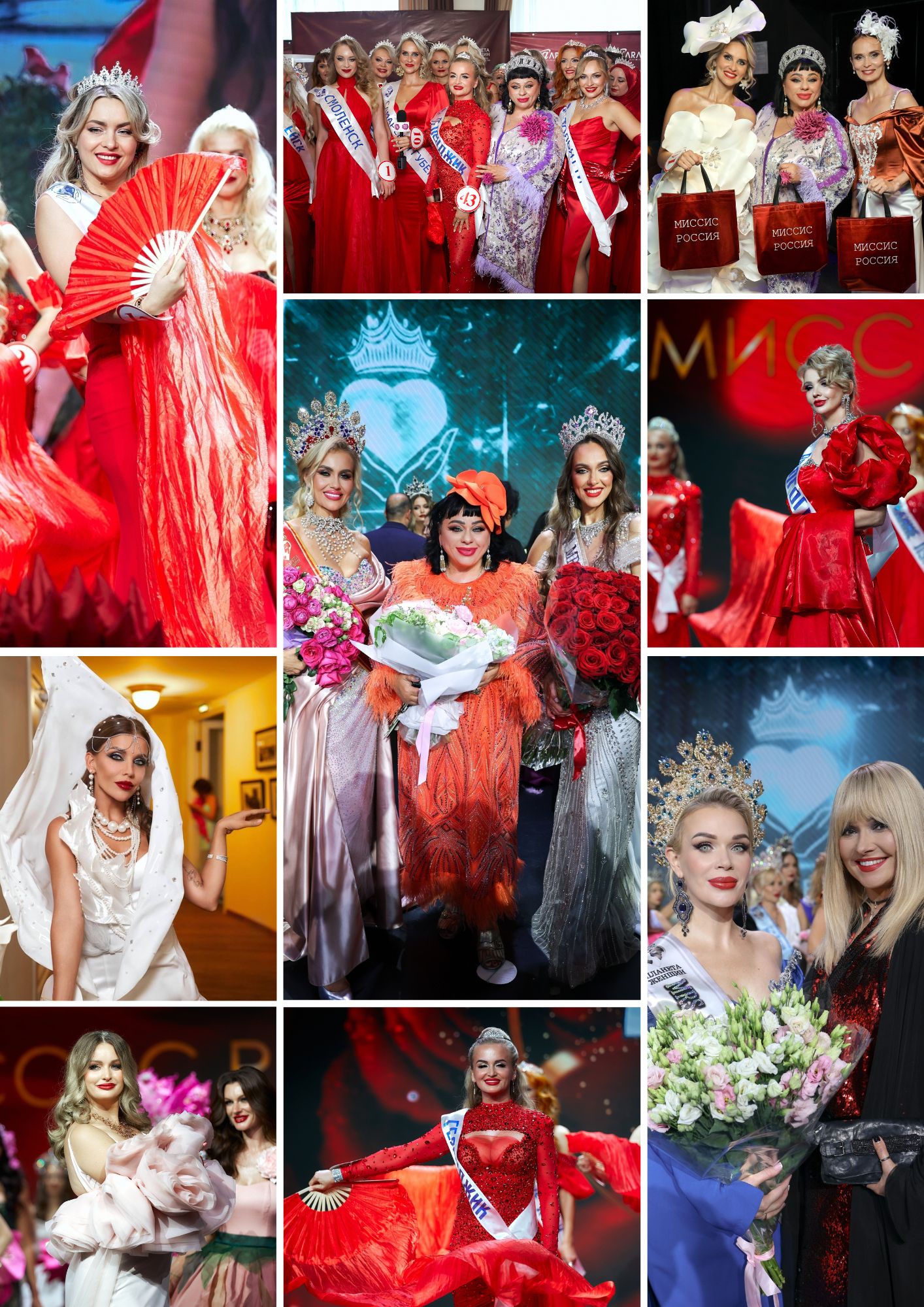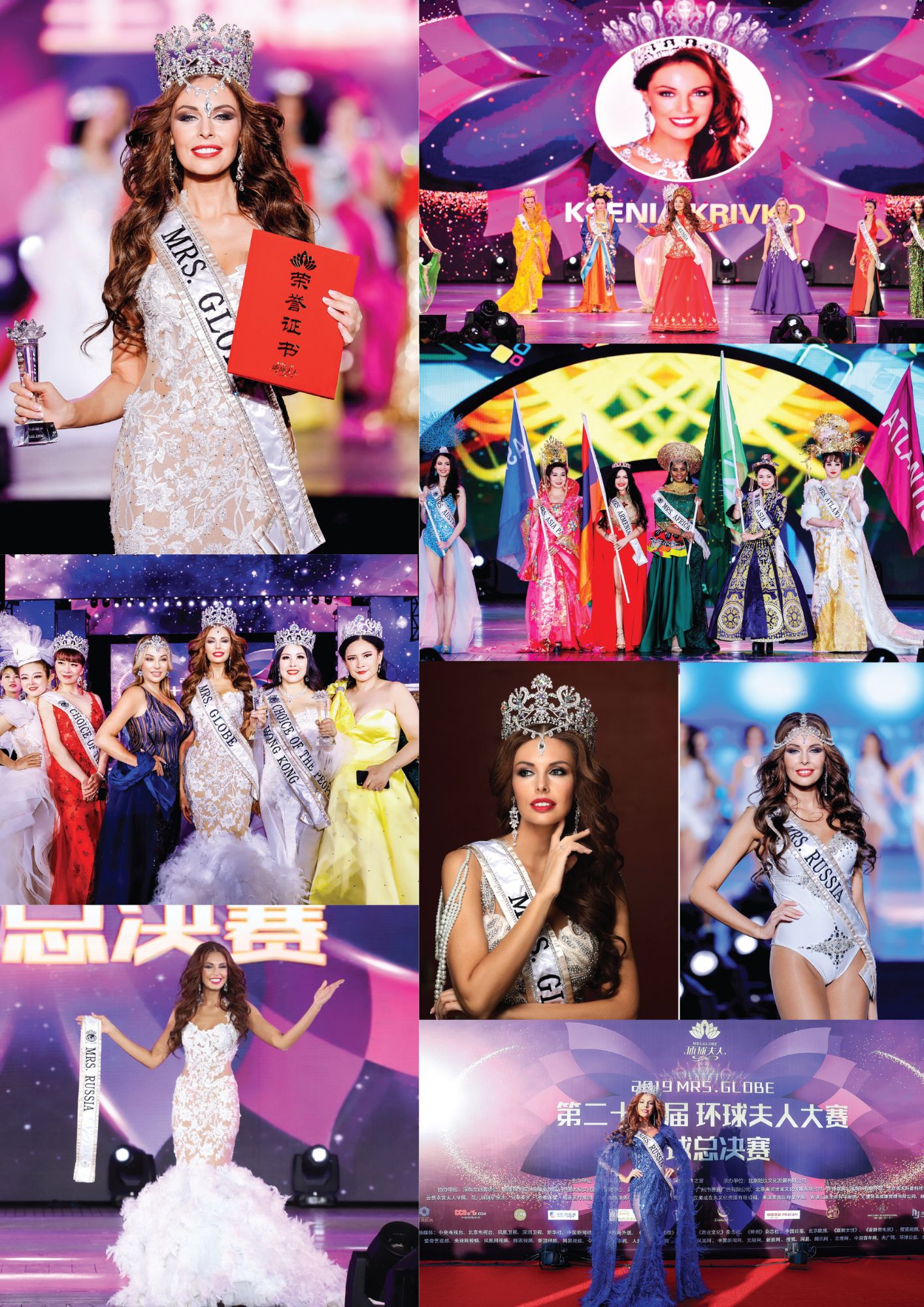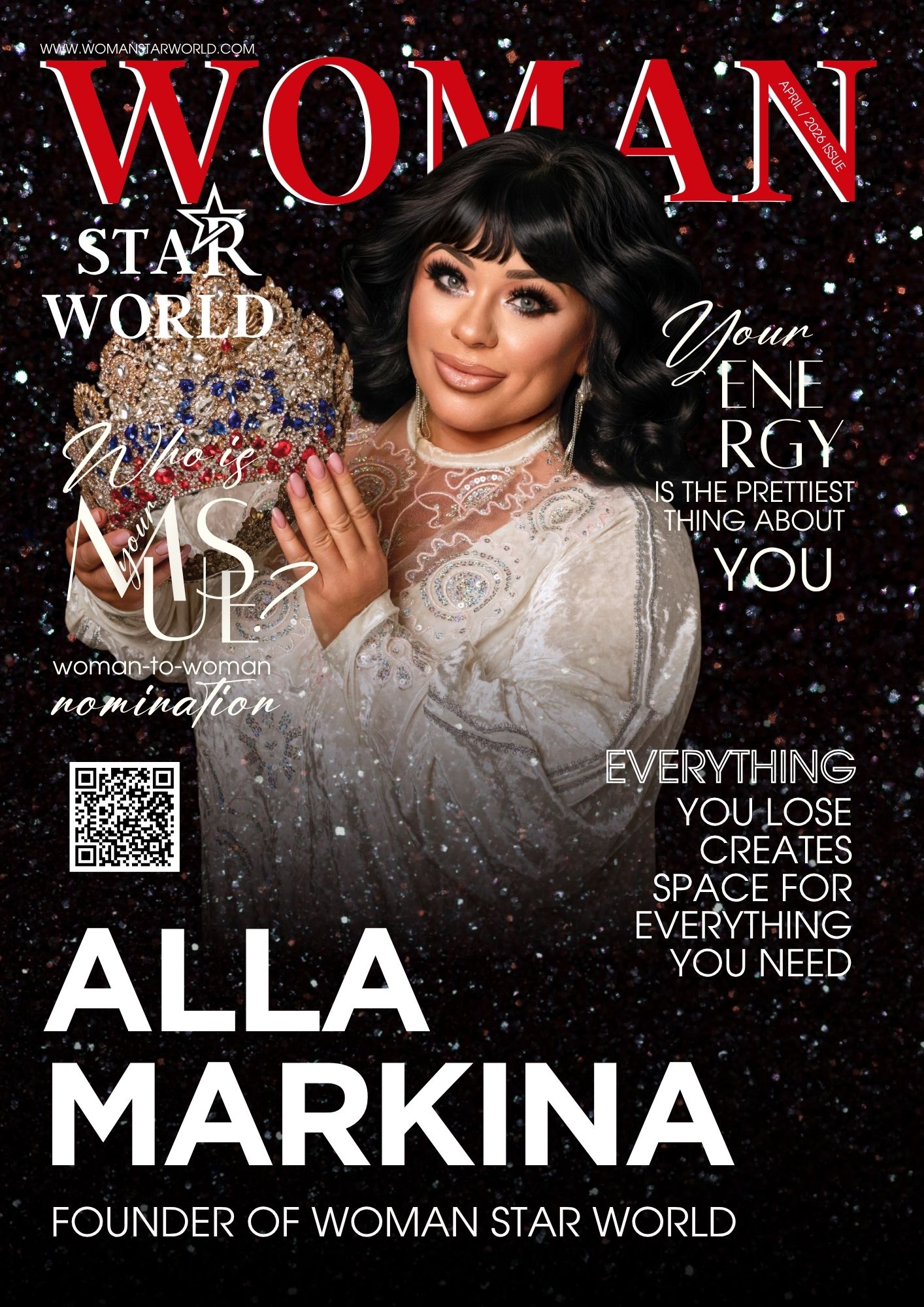
For nearly three decades, I have lived inside a world that asks for vision, stamina, intuition, and absolute devotion
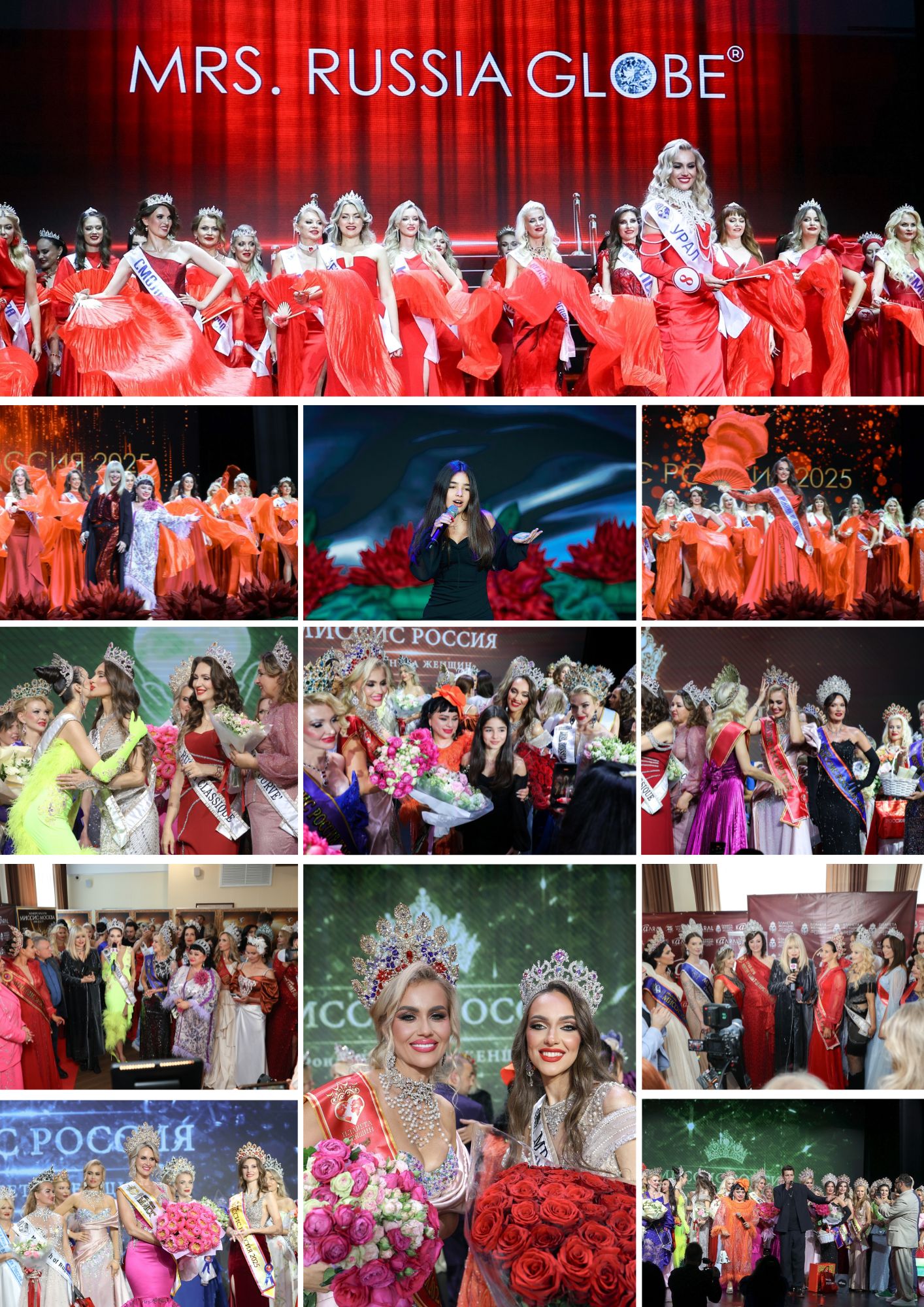
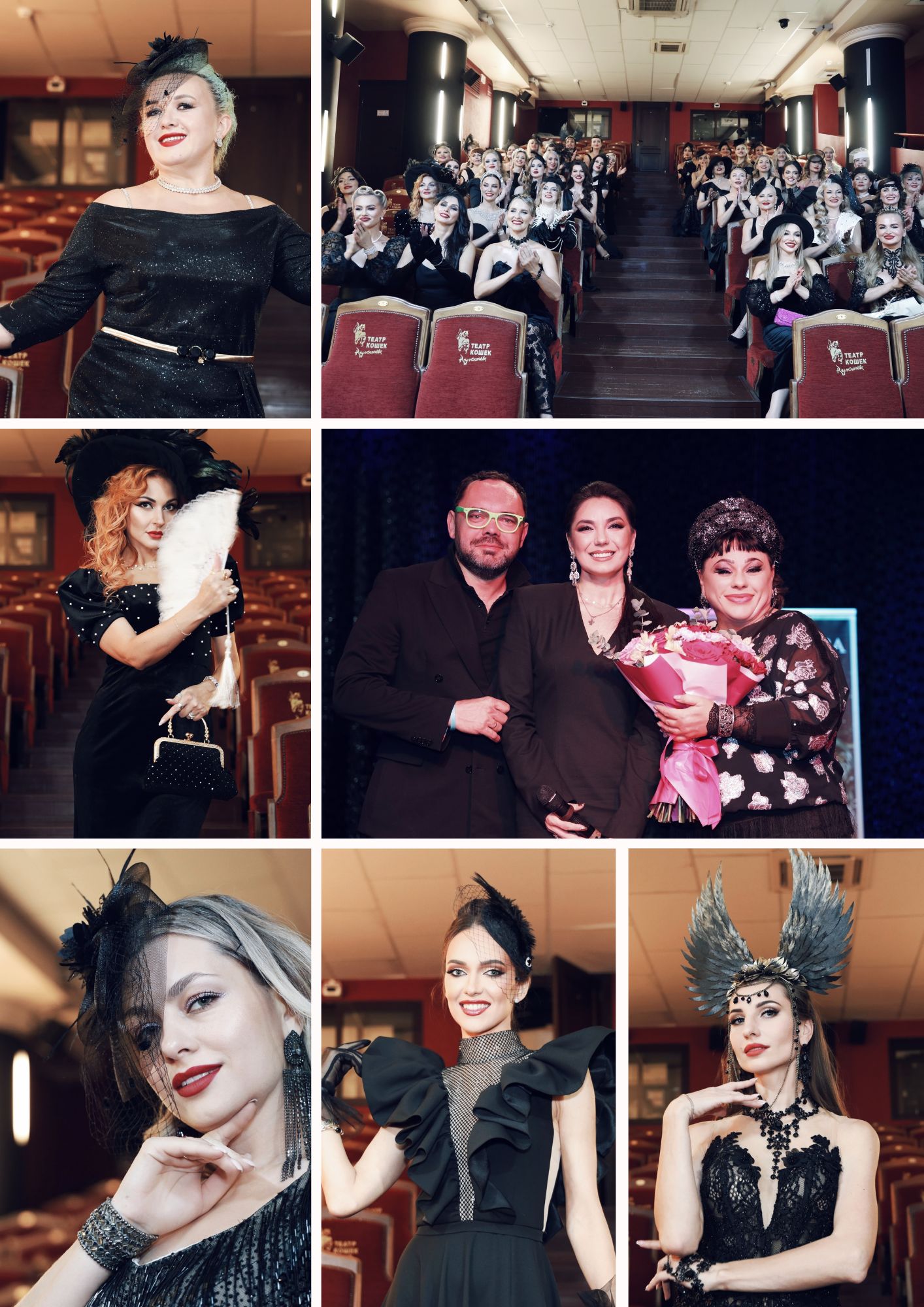
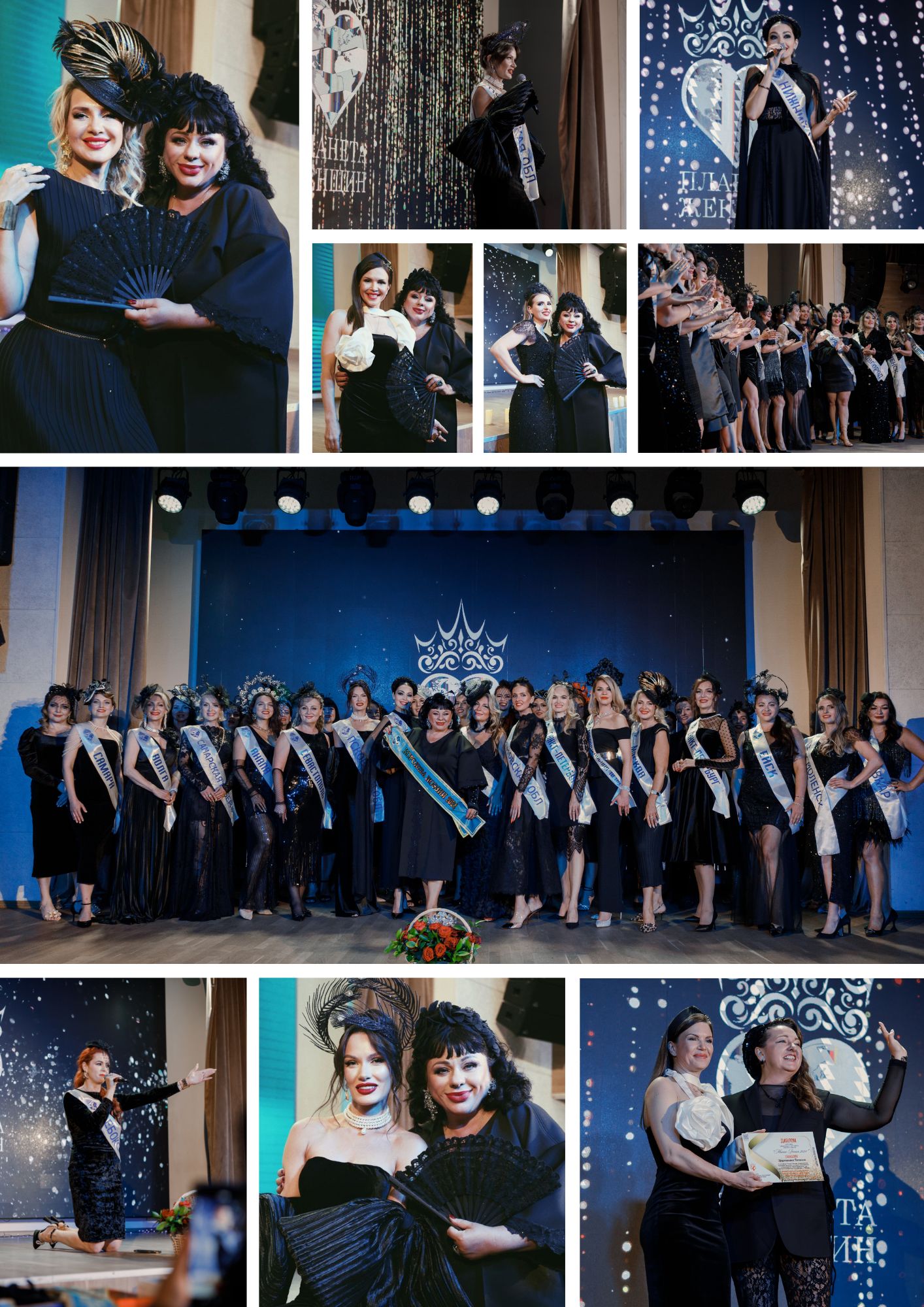
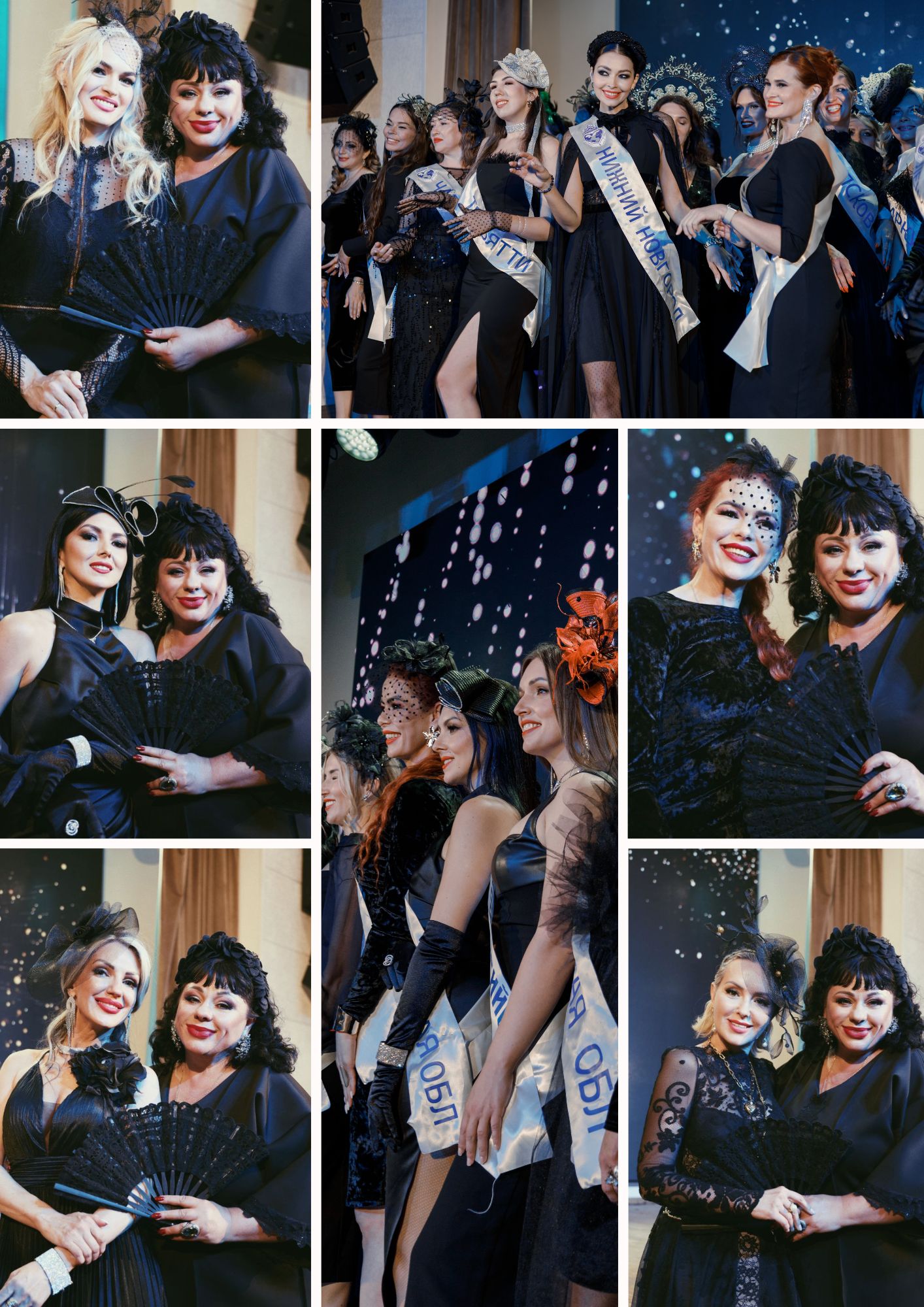
As the woman behind Women’s Planet Foundation and the driving force of Mrs. Moscow and Mrs. Russia, I have created pageants that combine large-scale show production with something far more delicate and lasting: a woman’s inner shift when she begins to see herself differently.
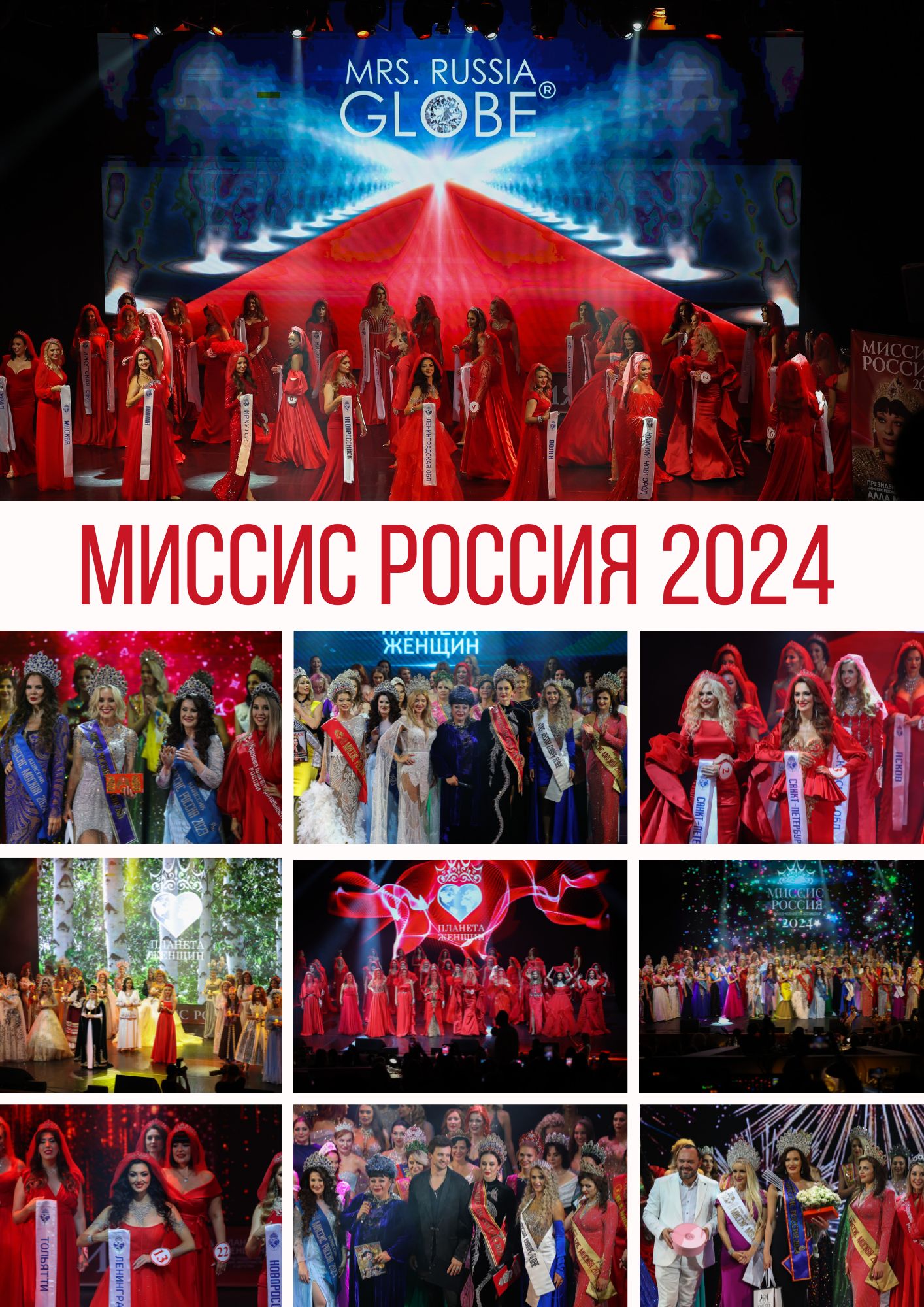
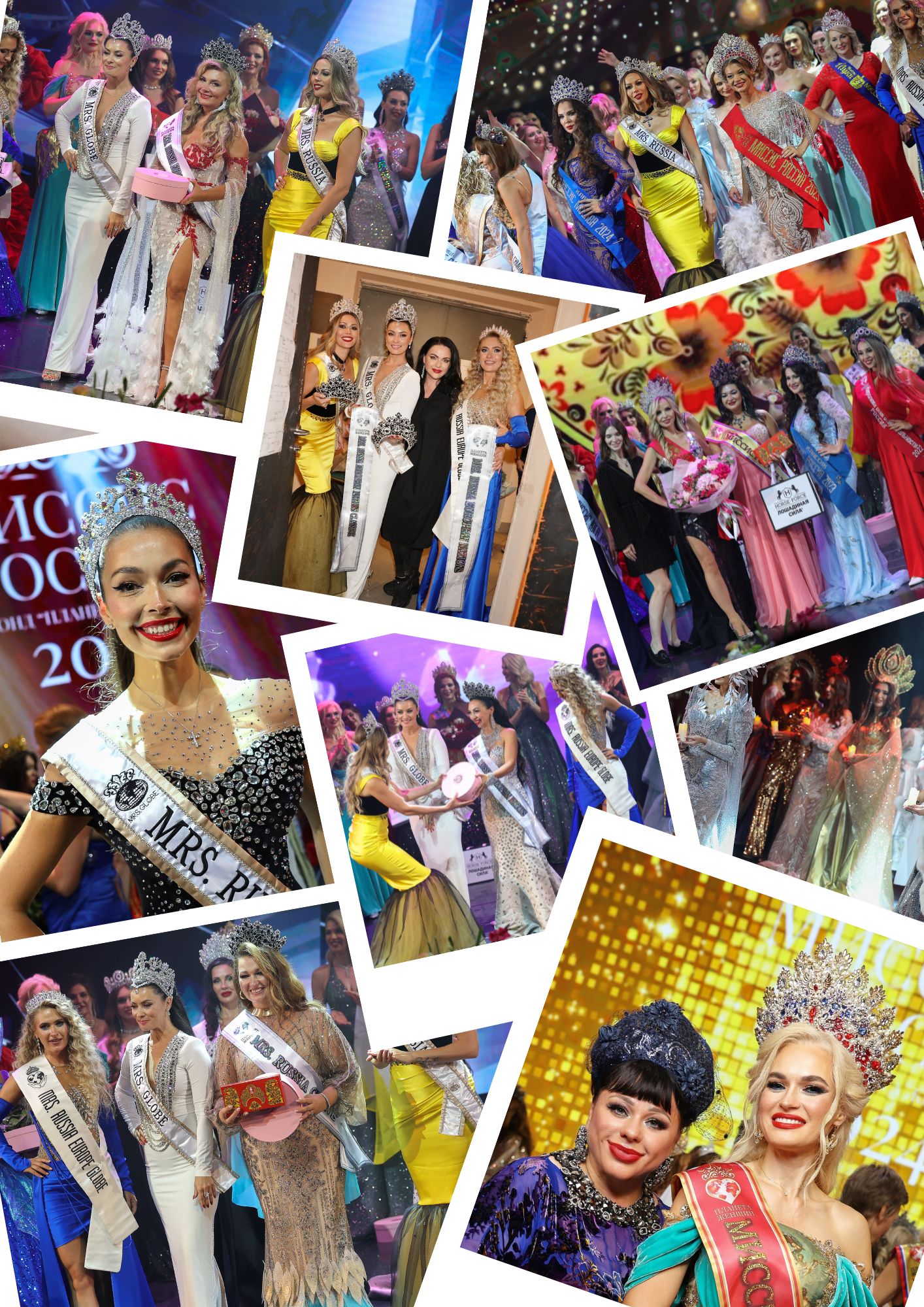
Over these years, I have produced around one hundred beauty pageants and witnessed every emotion such a stage can hold. I have seen tears before the curtain opened, trembling hands before a first walk, disappointment, triumph, disbelief, and those rare moments when a woman suddenly understands that she has crossed a line within herself and cannot return to the version she was before. I have held contestants together in their weakest moments and celebrated them in their strongest. That is why, for me, this work was never about a crown alone.
From the outside, people often see only the final image: gowns, lights, titles, applause, photographs. What they do not see is the scale of the work behind it all. A major pageant is built from hundreds of decisions — venues, scripts, creative direction, technical teams, costumes, media, choreography, timing, atmosphere, emotion. It demands the discipline of a producer, the instinct of a director, and the emotional endurance of someone who carries not one story, but dozens at once.
Yet the true value of this path has always been the women themselves. Again and again, I watched accomplished wives, mothers, professionals, and caretakers walk onto my platform and uncover something that daily life had pushed aside. Some arrived curious, some hesitant, some deeply unsure of themselves. Many left with a new level of confidence, a stronger voice, and a new relationship with their own reflection. This is the part of pageantry the public rarely speaks about, though it is the part that matters most.
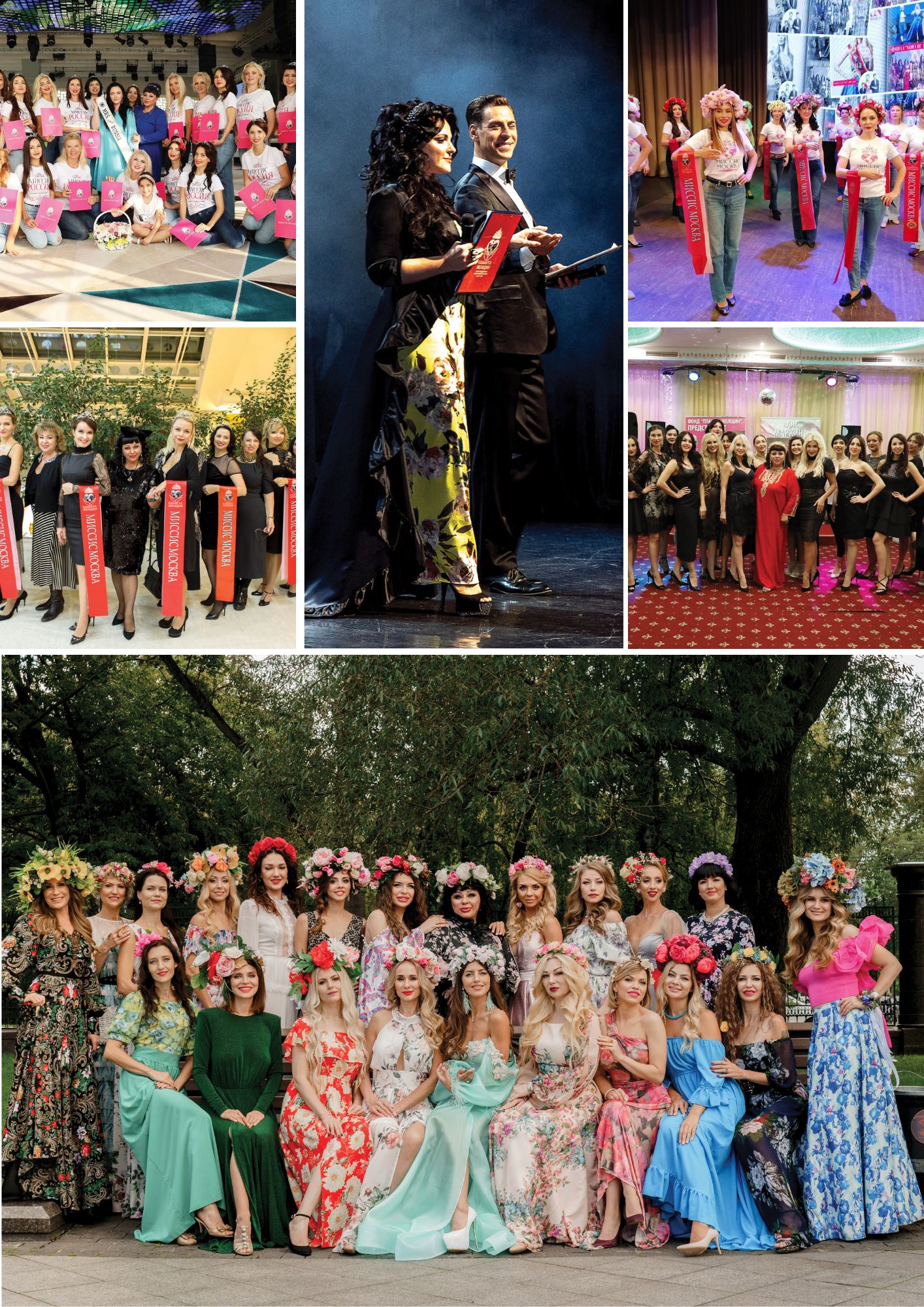
That is exactly why Women’s Planet Foundation became such a natural continuation of my work. It grew into a community where women remained connected long after the final, where friendships continued, mentorship appeared organically, charitable projects found support, and shared experience turned into real human connection.
I did not want these women to disappear after the crown. I wanted the platform to continue holding them, linking them, and giving them reasons to keep growing together.
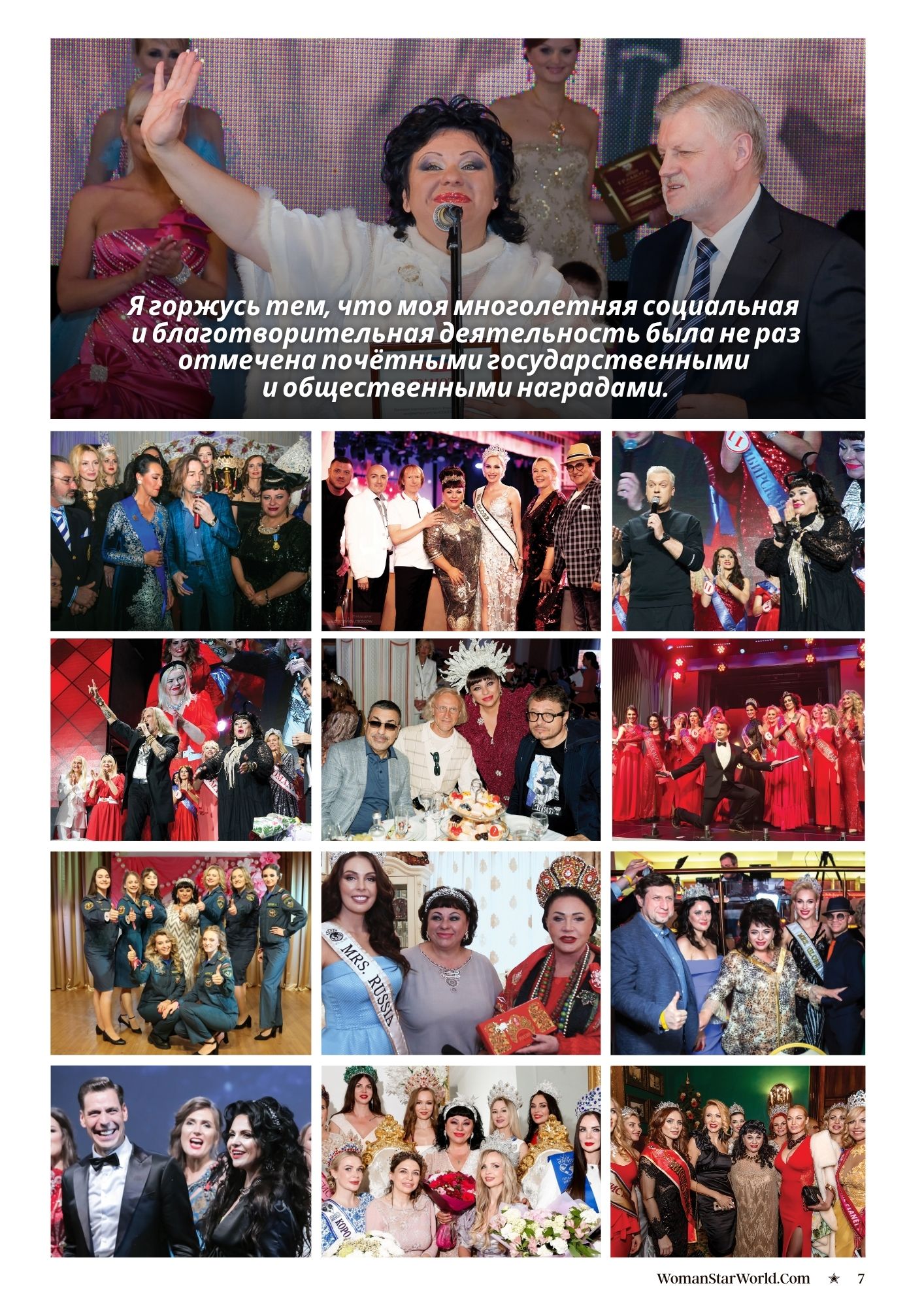
Charity has always been woven into this story as well. Across the years, my work in pageantry moved alongside social initiatives, support networks, and projects that gave women another way to participate, contribute, and be seen. Public beauty can attract attention, but it is depth, generosity, and solidarity that give a platform weight. That balance mattered to me from the very beginning.
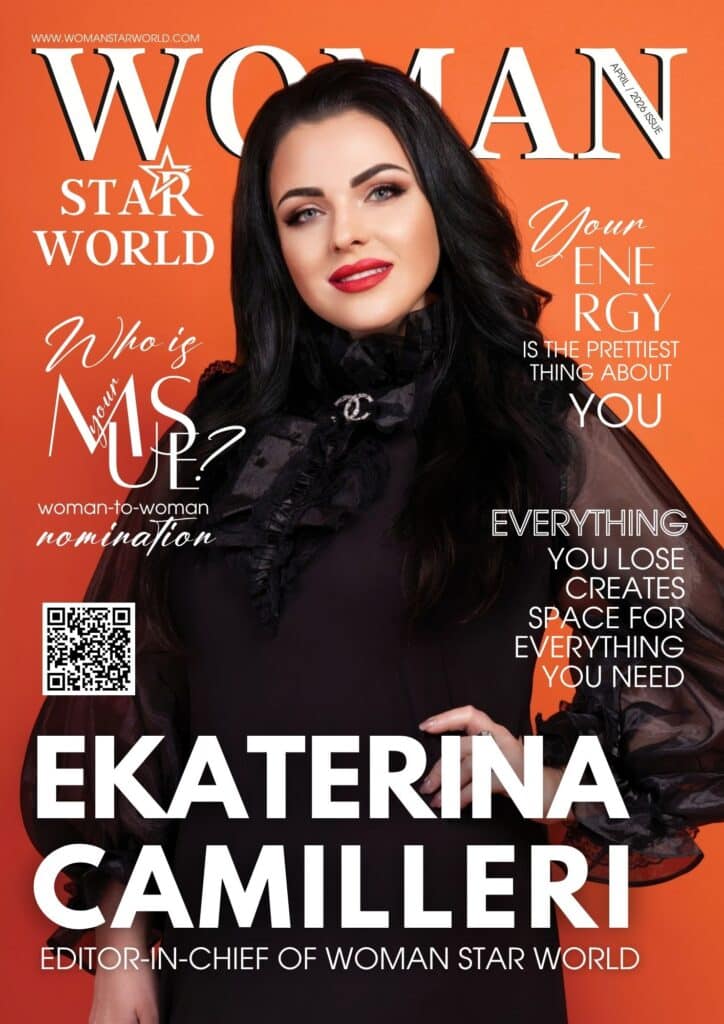
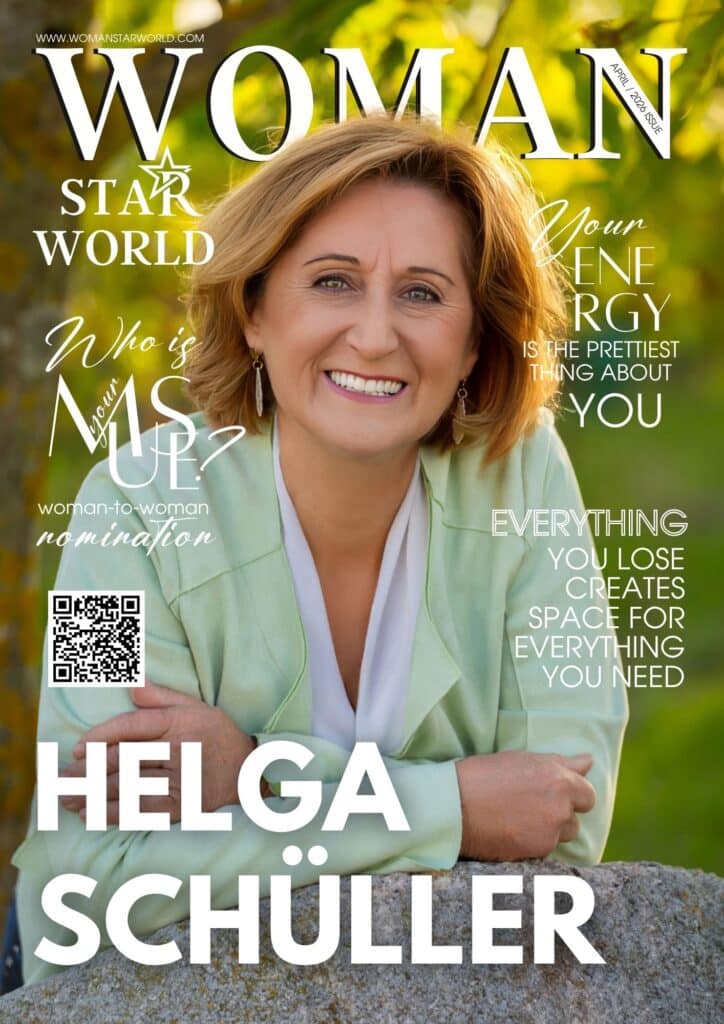
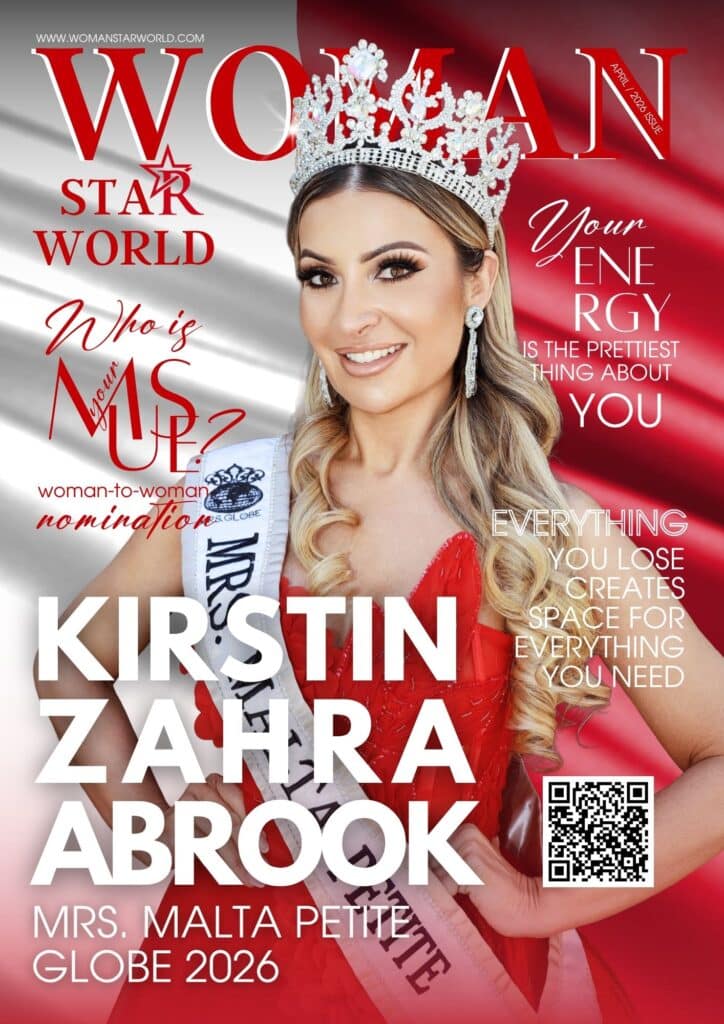
In 2014, I also founded Woman Star World in Russia, creating another platform devoted to women, their stories, and their public voice. Today, I am especially happy to see how this project has grown far beyond its original borders and reached an international level. It continues bringing women together across countries, connecting their experiences, celebrating their success, and giving their stories a place to be seen around the world.
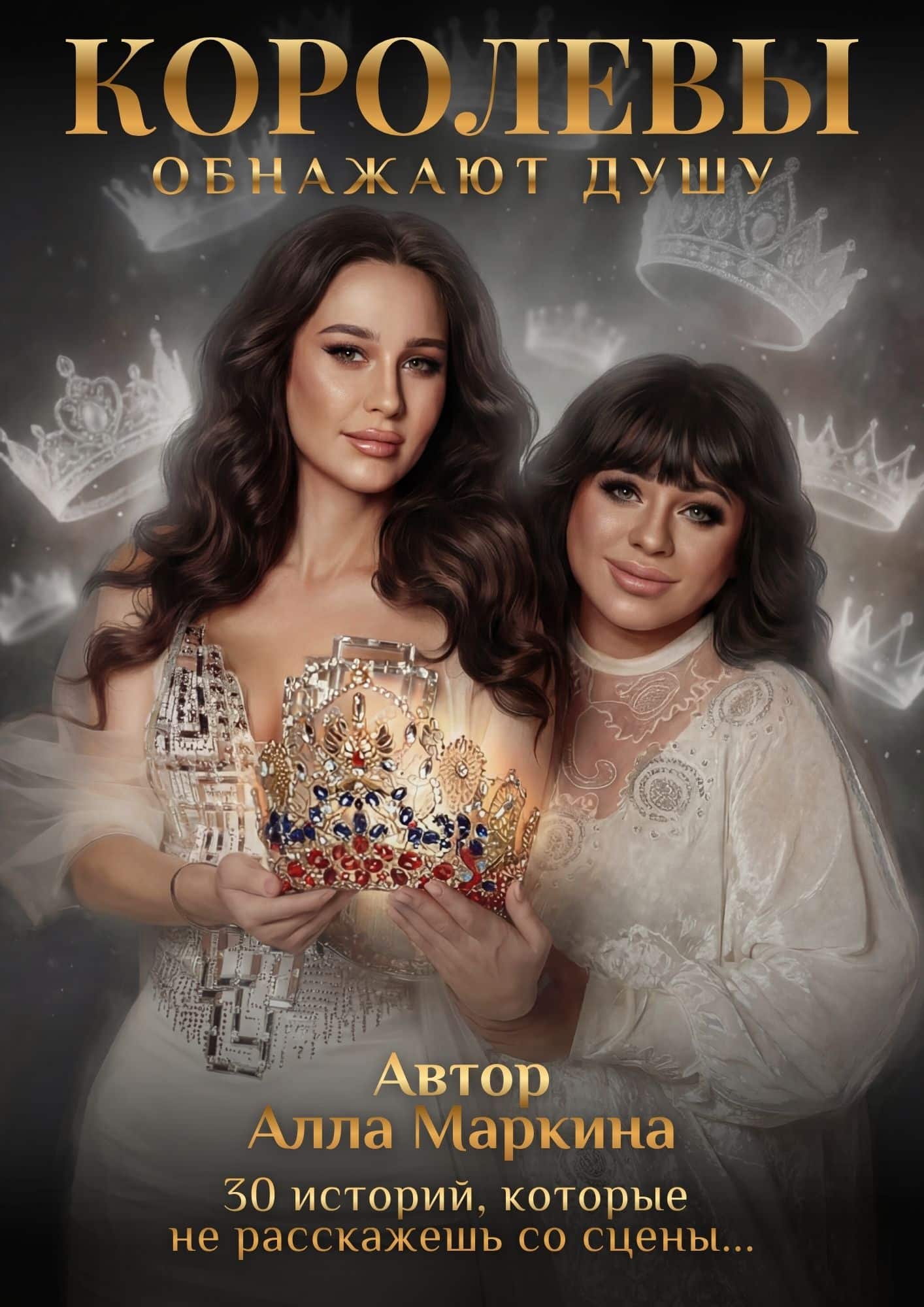
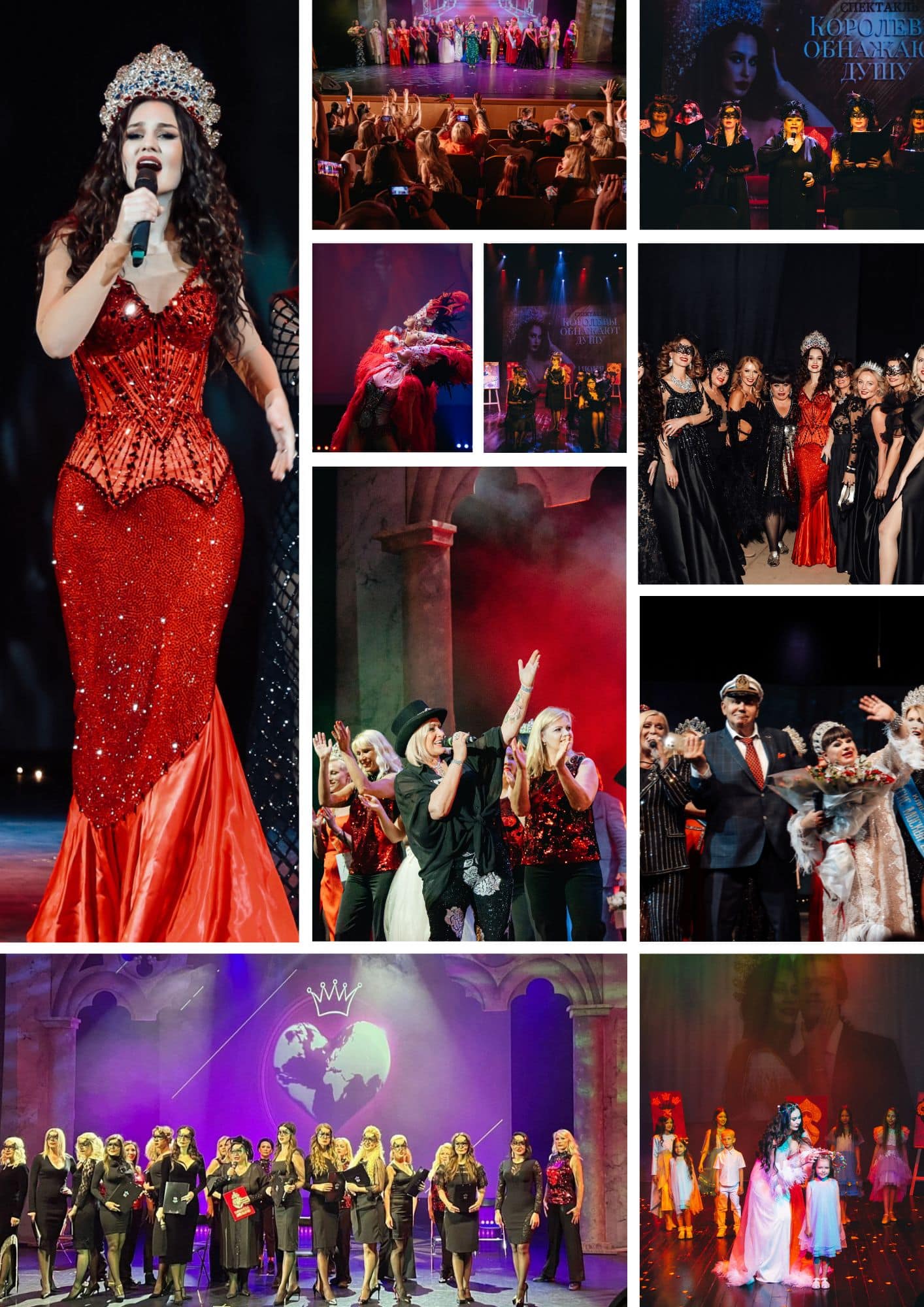
Today, my book “Queens Bare Their Souls” published in Russia has become a natural symbol of these thirty years. It brings together 30 stories of queens whose lives changed after one decision: to fill in an application, enter a pageant, and walk onto a stage that became the beginning of something far larger. Some of these stories are uplifting, some painful, some unexpectedly tender. All of them reveal what audiences almost never get to witness — the private turning points behind the polished image.
This book was important for me because it captures what I have known for years: pageants can touch places in a woman’s life that go far beyond appearance. They can interrupt routine, awaken courage, return a forgotten spark, and open a completely new chapter. Behind every crown is a story that was never fully told under stage lights. And sometimes, that unseen story is the most important victory of all.
When I look back at these thirty years, I do not think first about scale, titles, or public recognition. I think about faces. I think about women who arrived uncertain and left changed. I think about the energy of the backstage moments, the intensity of preparation, the bonds formed between participants, and the letters and messages I received long after the finals were over. That is the real archive of my work.
And perhaps this is why I never stopped. Because each new pageant brought another chance to witness transformation in real time. Another chance to create a space where beauty was not reduced to appearance, but became an entrance into confidence, dignity, visibility, and renewal. This has been my life’s work for thirty years — and the book now stands as its living echo.