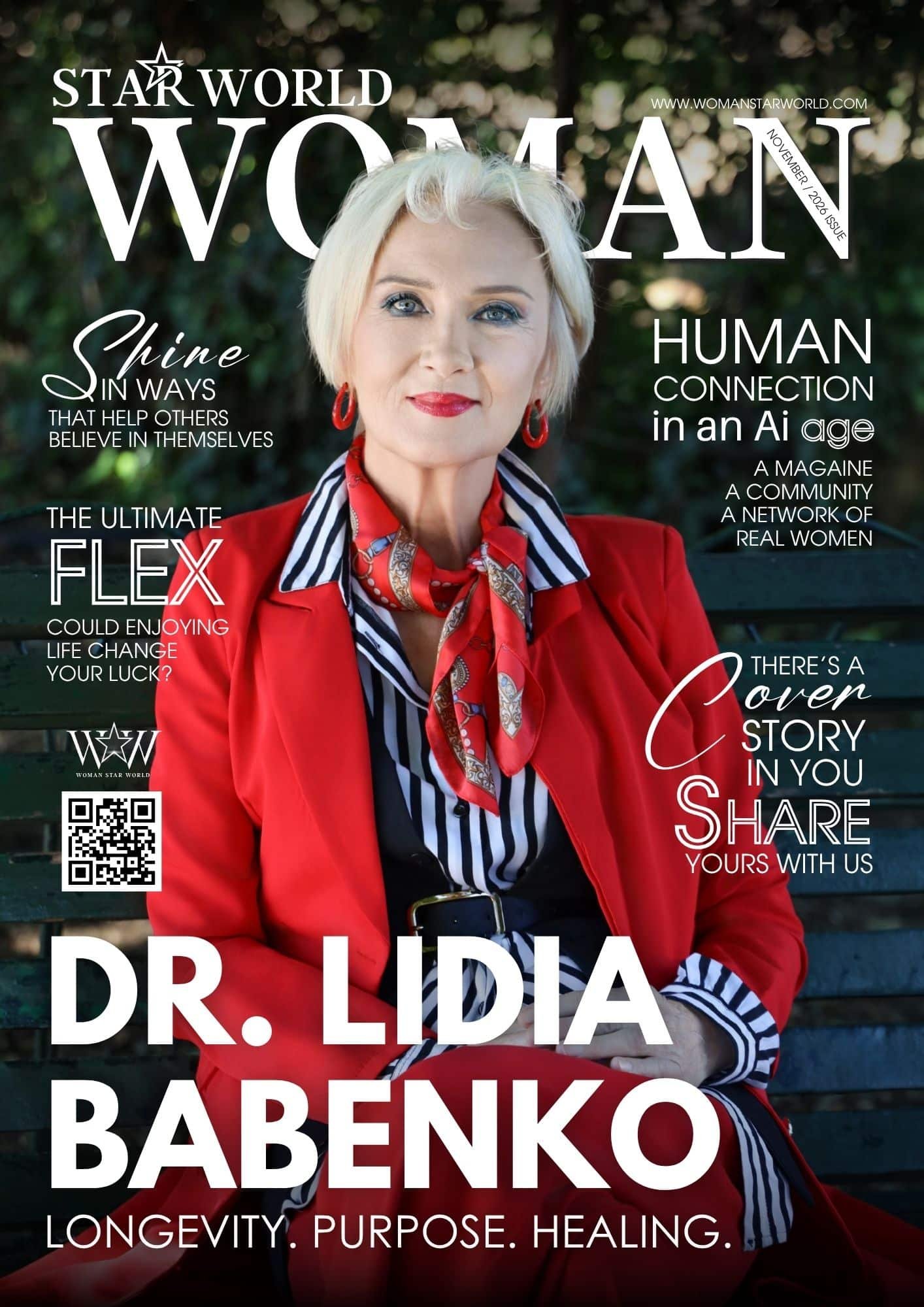
AFTER SIXTY: THE ART OF REMAINING CURIOUS ABOUT LIFE
Graceful aging, the zest for living, and the courage to discover what comes next
Recently, I was asked a question: What is the meaning of life after sixty?
My answer is simple: it depends on what we choose to bring into it.
When we fill our days with curiosity, discoveries, meaningful relationships, creativity, and experiences that awaken our senses, life remains colourful. When we stop asking questions, abandon our dreams, and begin to believe that the most interesting part of our journey is behind us, our world gradually loses its shades. Days become predictable, enthusiasm fades, and life risks becoming a grey waiting room.
But why should we spend our remaining years waiting for something to happen when we can still participate in creating it?
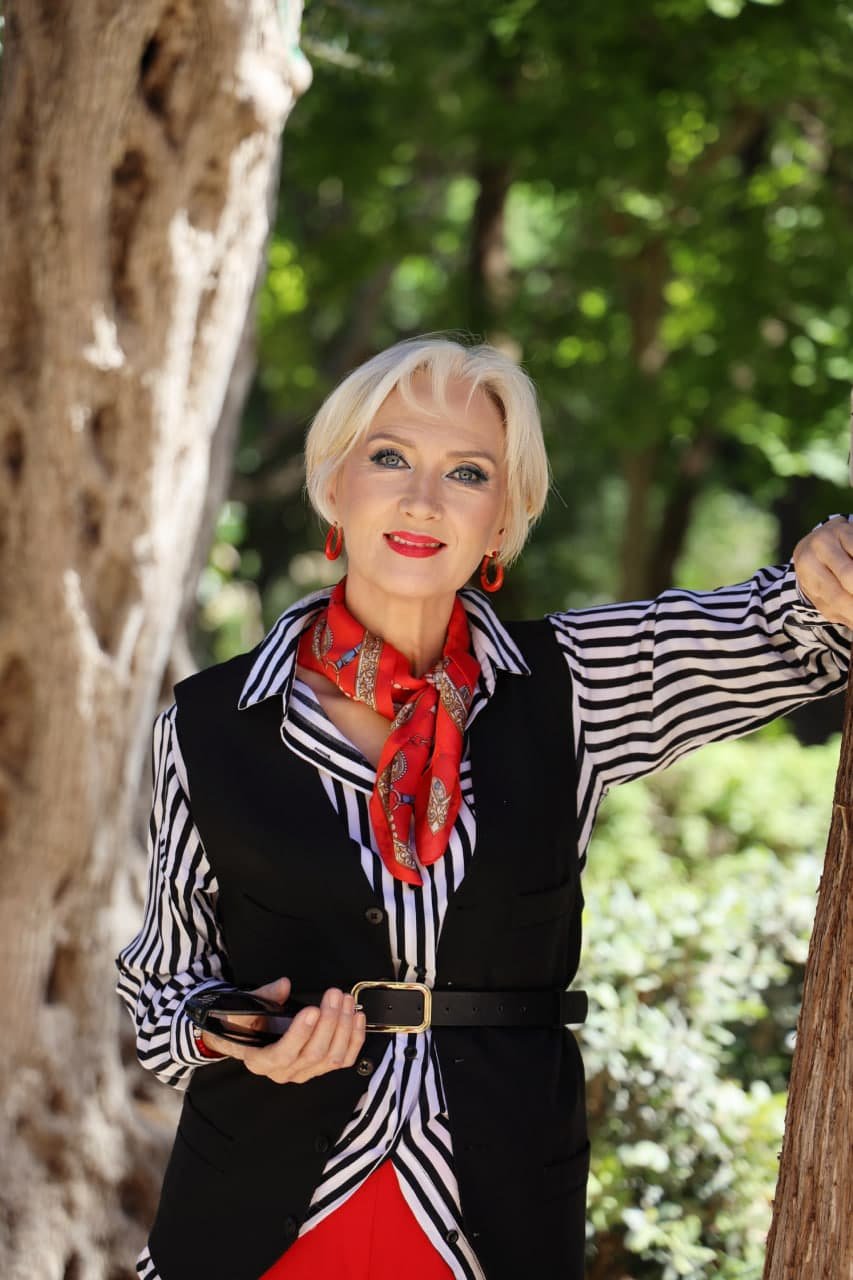
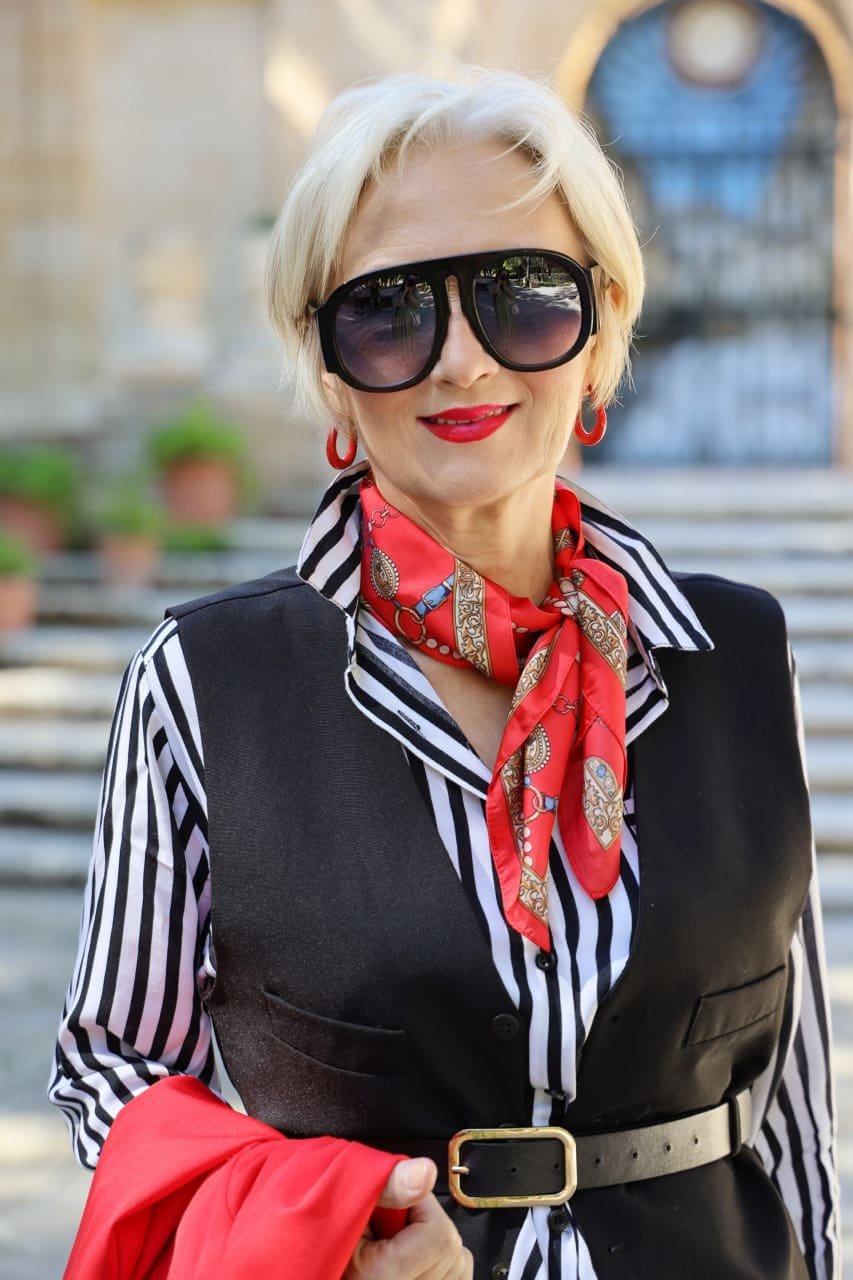
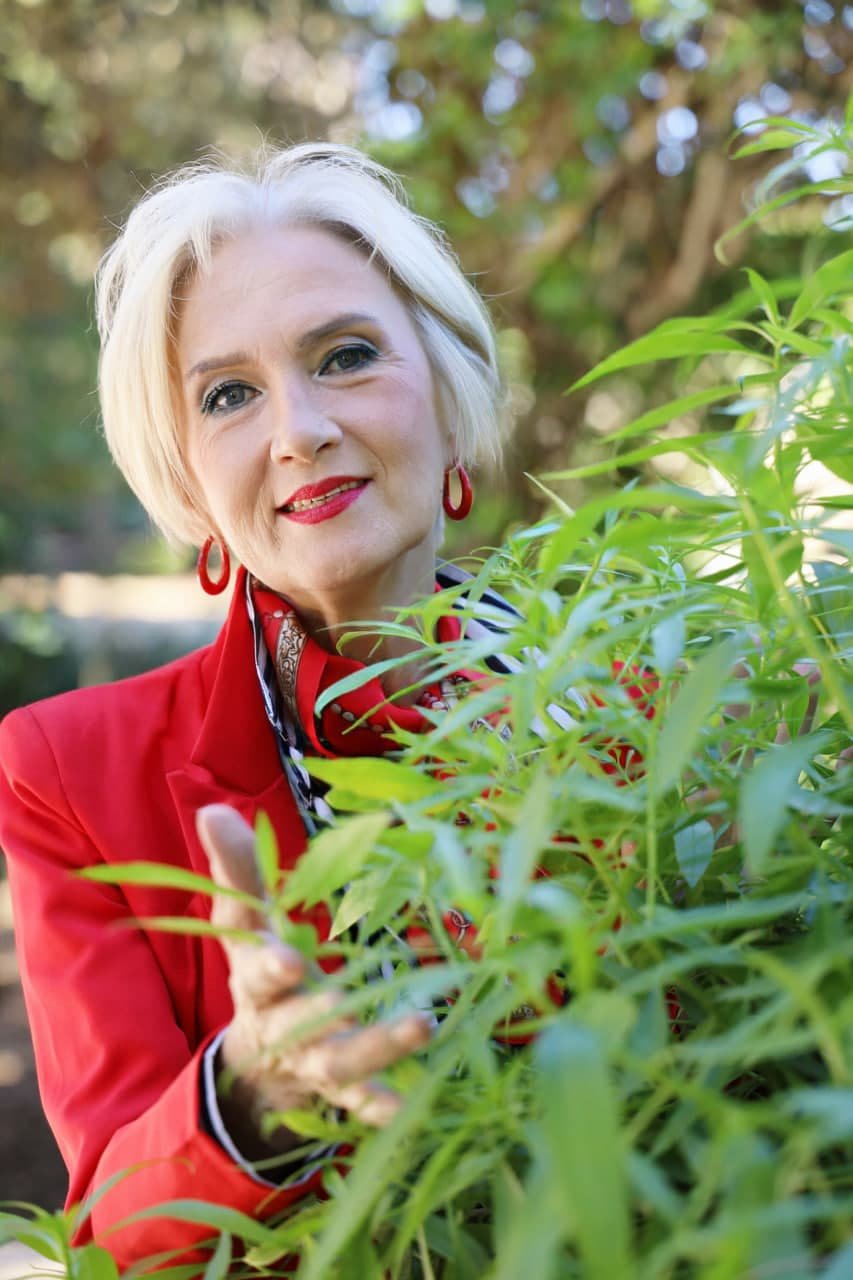
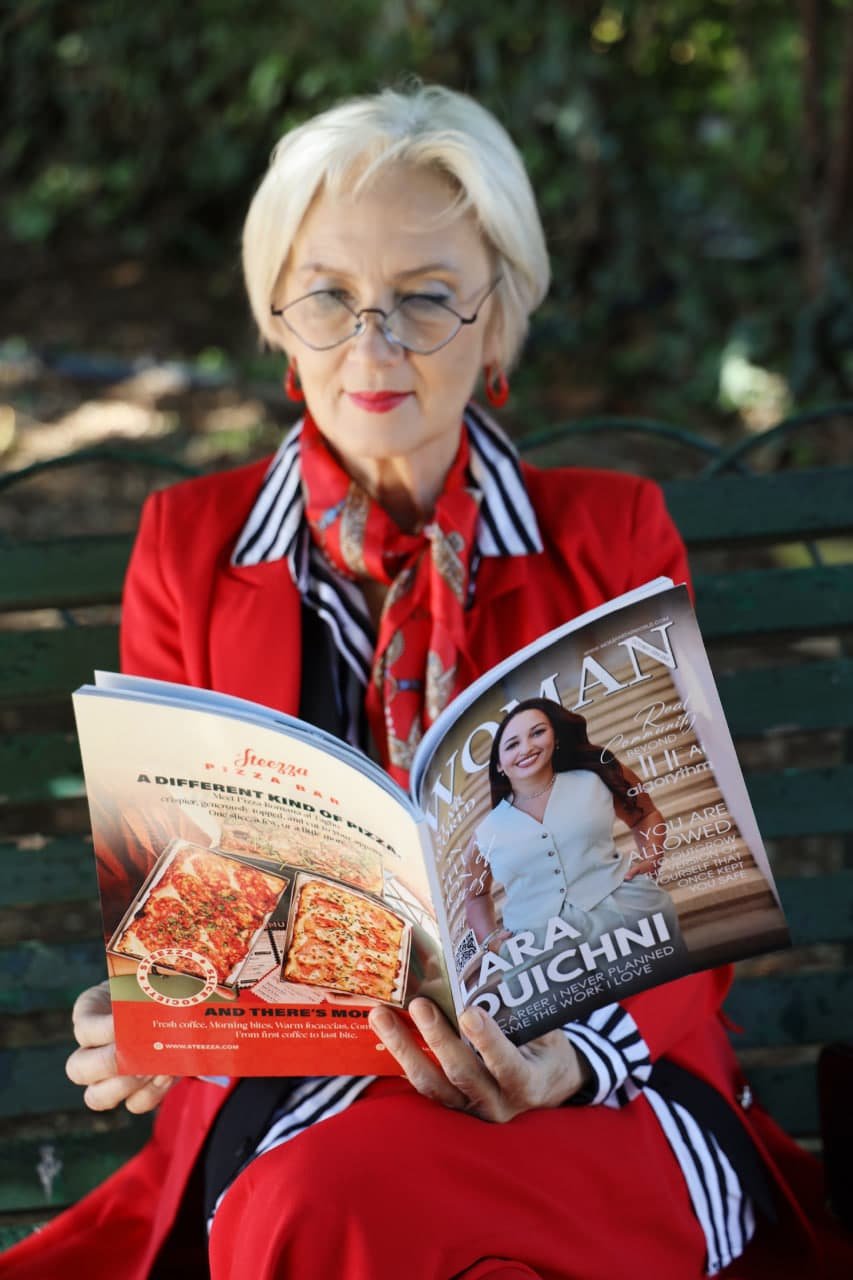
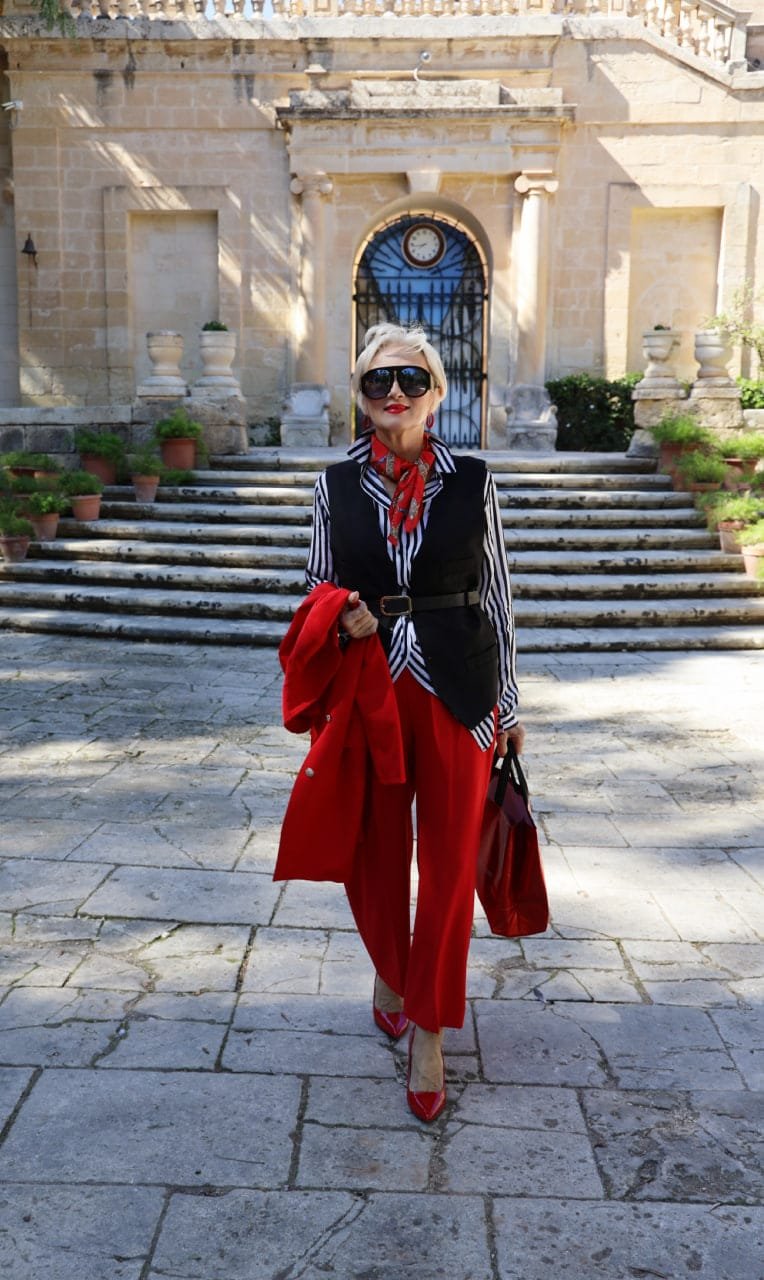
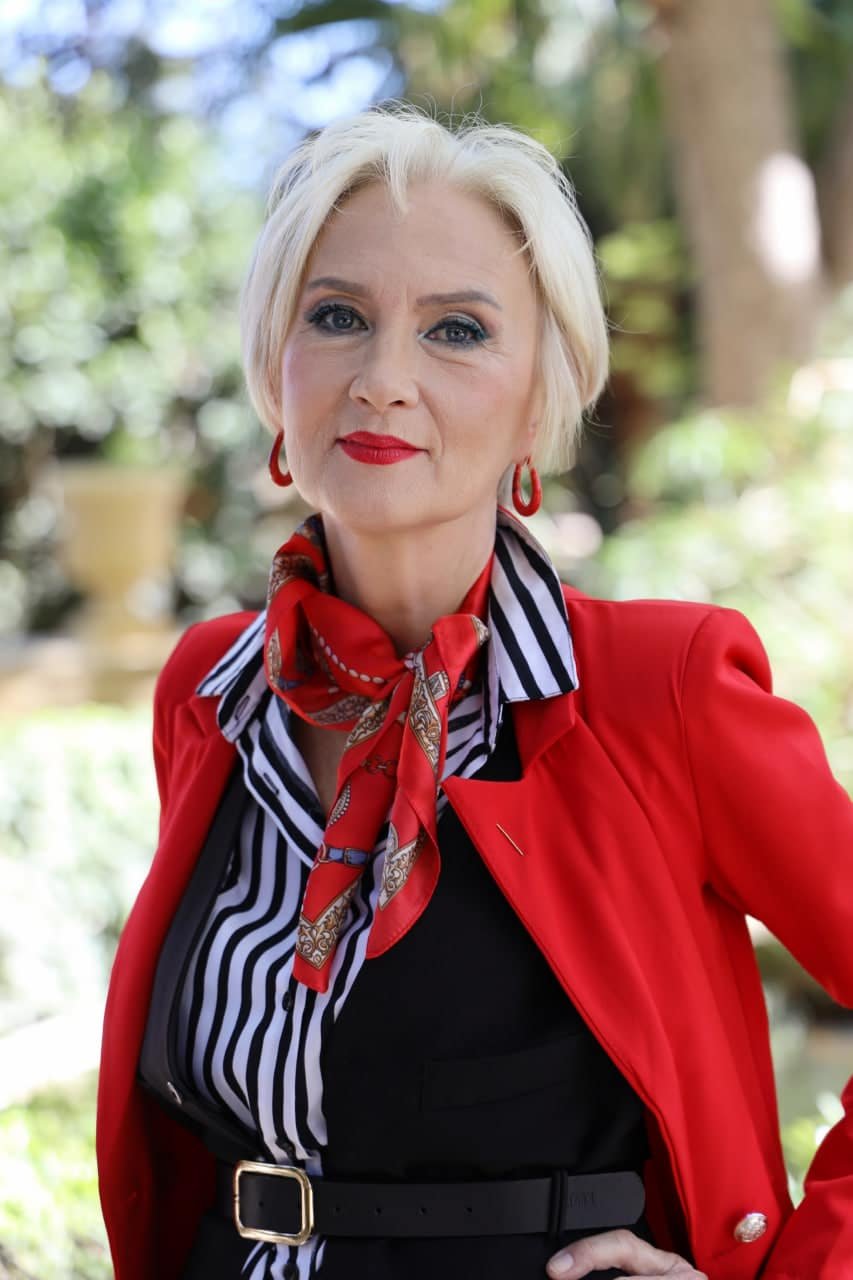
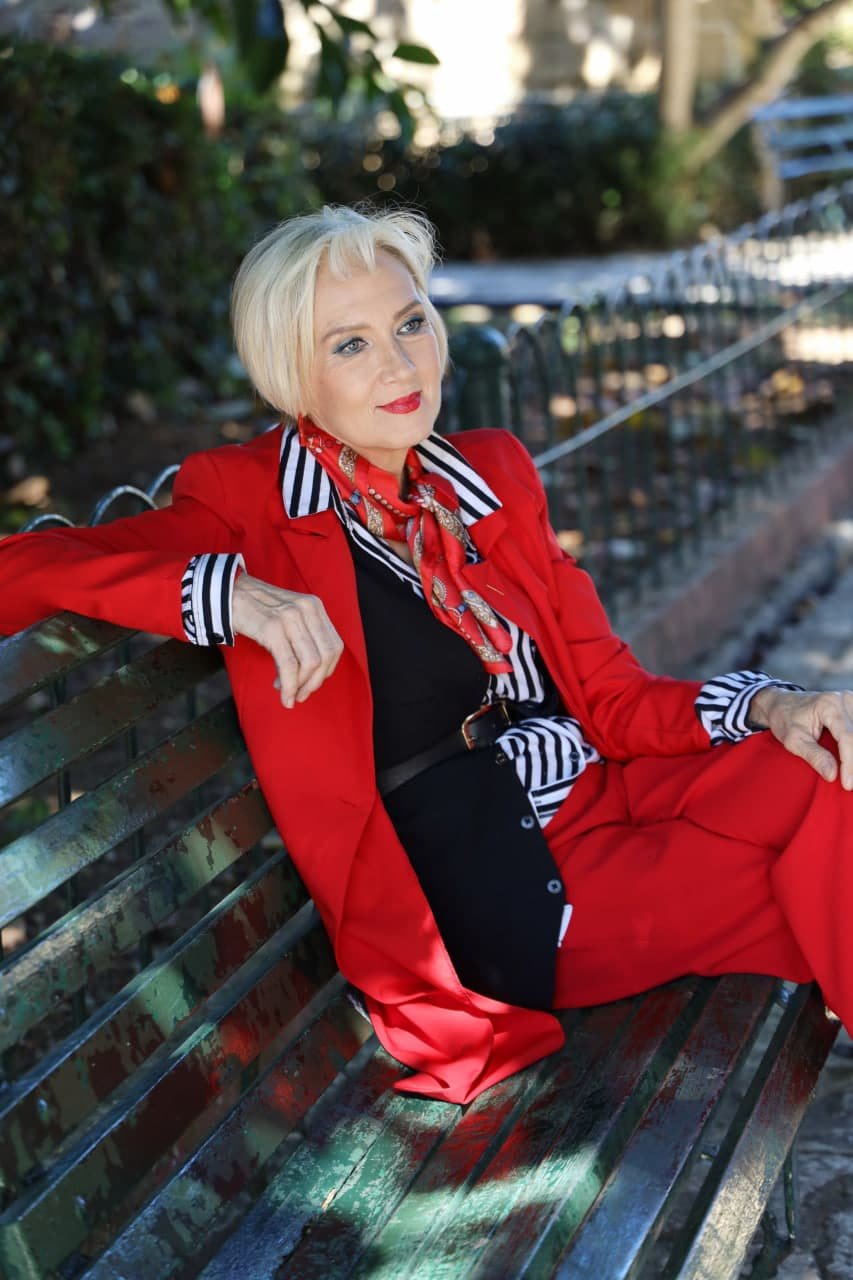
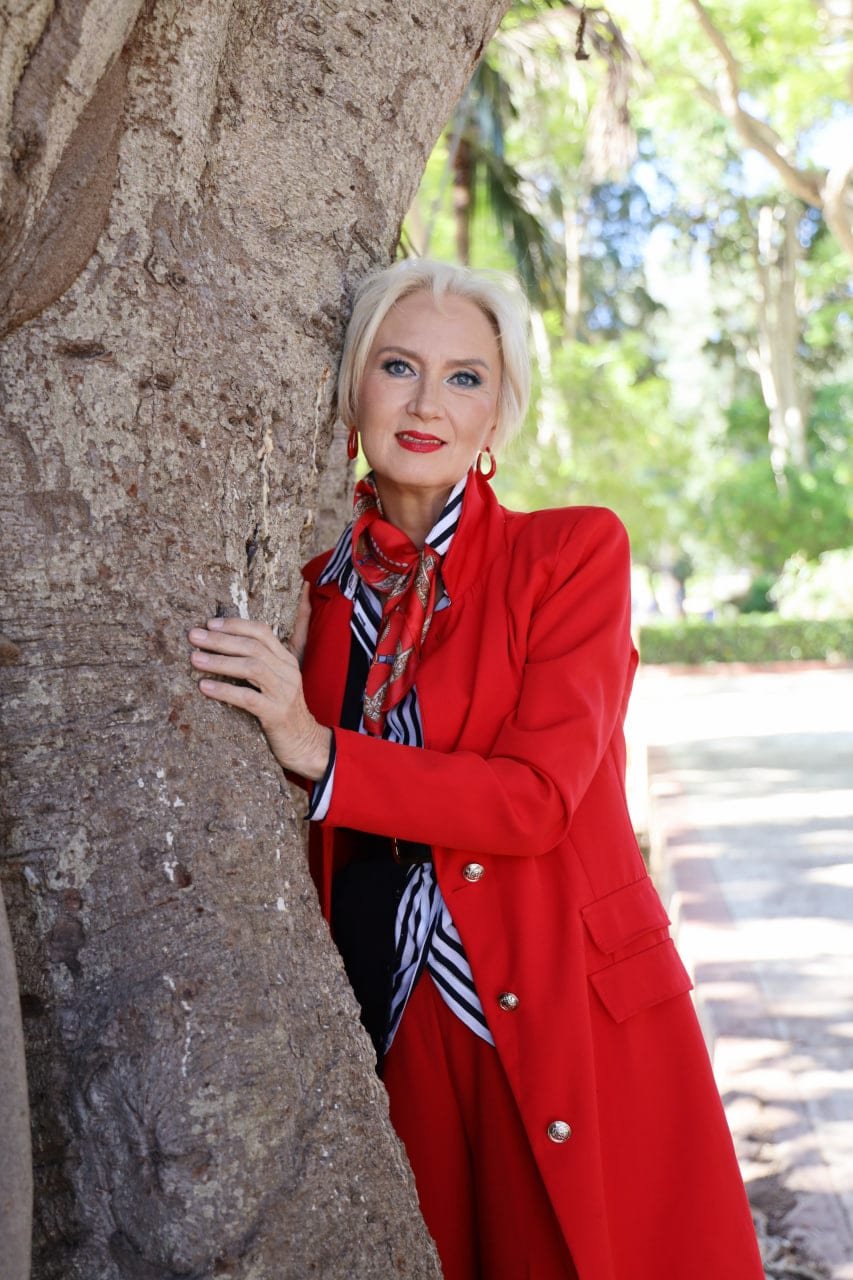
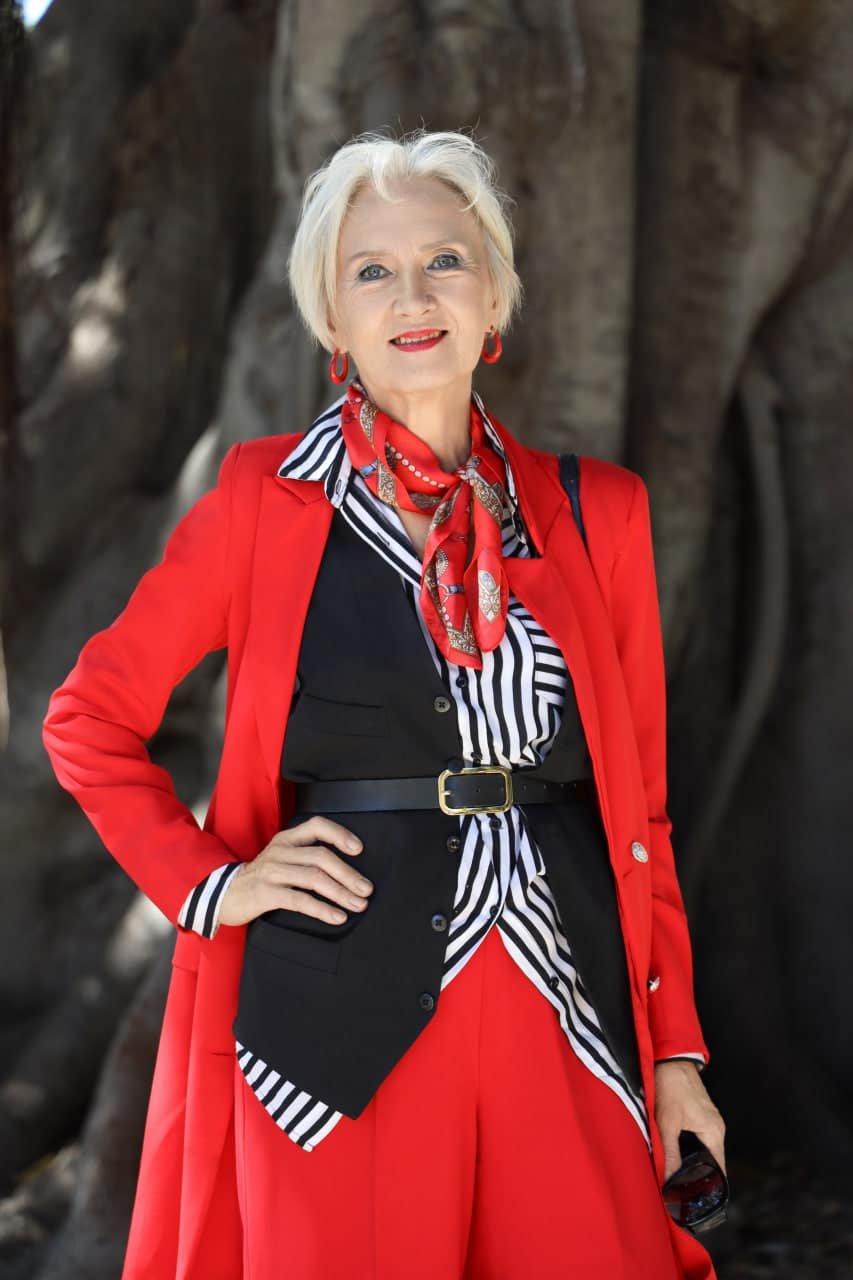
I am a woman over sixty, a physician and psychotherapist whose professional journey has taken me through modern medicine, psychology, ancient healing traditions, and the exploration of human consciousness. My experience has taught me that longevity alone is not enough. What matters is the quality of our presence, the vitality of our minds and bodies, and our willingness to continue discovering.
My favourite questions are: What else can life offer me? What can I create with the experience I have accumulated? And what new adventure is waiting for me now?
These questions have become the foundation of my philosophy of graceful aging.
Here are fifteen realizations I would like to share with other women who are approaching, entering, or already enjoying this remarkable chapter of life.
Life does not arrive with a ready-made explanation of why we are here. Meaning emerges from the way we live, the choices we make, and the things we bring into existence.
One woman may find meaning in her garden, another in a new relationship, a third in scientific discovery, artistic expression, or helping others. There is no universal formula.
The important thing is to remain an active participant in our own existence rather than becoming a spectator of other people’s lives.
The moment we decide that we already know everything worth knowing, our inner world begins to close.
Curiosity keeps us receptive. It encourages us to explore unfamiliar places, learn new skills, question old assumptions, and discover dimensions of ourselves that remained hidden during the busy years of work and family responsibilities.
I would rather be a beginner in something fascinating than remain an unquestioned expert in everything I already know.
The ability to say, “I don’t know yet; let me discover,” is one of the most beautiful expressions of an open mind.
Adventure has no age limit.
Our challenges may change as we grow older, but they need not disappear. We might learn a language, explore a new country, begin writing a book, study neuroscience, improve our physical balance, or embark on a deeper investigation of our inner world.
The challenge may be physical, intellectual, emotional, psychological, philosophical, or spiritual. Its purpose is not to prove our worth to others. It is to awaken our capacities and reveal what remains possible.
I like to think of life as a succession of discoveries: each achievement opens a new landscape, and each landscape invites us to explore further.
The question is not whether we can repeat our youth. It is what kind of adventure belongs to the woman we have become.
We cannot stop biological aging, but we can influence many aspects of how we age.
Muscle strength, balance, mobility, nutrition, sleep, and metabolic health become particularly important as the years pass. Age-related loss of muscle mass and strength, known as sarcopenia, can threaten our independence, but appropriate exercise and adequate nutrition can help prevent or reduce it.
This is where I find a valuable meeting point between contemporary health science and the traditional knowledge of Ayurveda.
Ayurveda’s Rasayana tradition focuses on nourishment, rejuvenation, vitality, and supporting healthy aging. When thoughtfully combined with modern nutritional knowledge, appropriate fitness, resistance training, and recovery practices, it offers an interesting framework for approaching longevity as a whole-person process.
Collagen health also deserves attention. Our natural collagen production declines with age, while adequate protein intake, vitamin C, and other essential nutrients support normal collagen synthesis. Resistance exercise helps preserve muscle and function, while protecting the skin and connective tissues requires a broader approach than any single supplement can provide.
I do not see caring for the body as a war against time. I see it as a collaboration with life: giving our bodies the conditions they need to remain as strong, mobile, and capable as possible.
Graceful aging is not about having the body of a thirty-year-old. It is about making the best possible use of the body we have today.
Our brains remain responsive to experience throughout life. Learning, meaningful activity, social engagement, and mentally stimulating experiences help maintain cognitive function and psychological well-being.
We can study a new discipline, learn to use unfamiliar technology, explore philosophy, practise music, or investigate the extraordinary relationship between our emotions, nervous system, and physical health.
I am fascinated by the dialogue between ancient wisdom and modern scientific discovery. The more we learn, the more opportunities we find to reconsider what we thought we understood.
Experience gives us a foundation, but curiosity keeps that foundation alive.
How often do we postpone pleasure until everything else has been accomplished?
We will relax after finishing the work, travel when responsibilities are over, dance when we have more time, or enjoy ourselves when we have finally earned the right to do so.
But life is happening while we are making these arrangements.
Pleasant experiences, laughter, music, movement, affectionate relationships, and activities that absorb us can engage the brain’s reward systems and influence neurotransmitters involved in motivation, mood, and well-being.
Dopamine, serotonin, endorphins, and oxytocin participate in different aspects of these processes, although no single activity or experience guarantees a particular neurochemical response.
We do not need to turn joy into another health project. We can simply give ourselves permission to enjoy it.
Dance because the music moves you. Laugh with friends. Spend time in nature. Make love, make art, cook something wonderful, or take a spontaneous journey.
Let pleasure become part of your daily ecology of health.
With experience, we begin to recognize how much energy can be lost in unnecessary conflicts, the need for approval, and the exhausting desire to prove that we are right.
Emotional maturity is not indifference. It is the ability to distinguish what deserves our attention from what merely demands a reaction.
We can learn to set boundaries without becoming cruel, disagree without humiliating others, and leave situations that repeatedly diminish us.
Peace is not always something we find. Sometimes it is the result of decisions we have finally become brave enough to make.
Loneliness can hurt at any age. Human beings need affection, companionship, and the experience of being understood.
Yet solitude can become a precious space for self-discovery.
When we no longer depend entirely on another person’s presence to feel that our lives have value, relationships become a choice rather than an escape from ourselves.
We can remain open to friendship, romance, intimacy, and new encounters while enjoying the freedom of our own company.
There is a particular beauty in sharing life with someone because we want to, rather than because we are afraid of being alone.
Every life contains mistakes, disappointments, missed opportunities, and experiences we would not choose to repeat.
We cannot rewrite our history, but we can transform our relationship with it.
Regret can teach us discernment. Grief can deepen compassion. Failure can reveal strengths that success never required us to discover.
We do not need to keep punishing ourselves for the woman we were before we knew what we know now.
Our past deserves understanding, but our future deserves freedom.
There is nothing wrong with wanting to look attractive at sixty, seventy, or eighty. We can enjoy beautiful clothes, skincare, movement, and the pleasure of presenting ourselves well.
But beauty has other dimensions.
It lives in the liveliness of the eyes, the elegance of a gesture, the warmth of a smile, the confidence of a woman who knows herself, and the pleasure of inhabiting her own presence.
Some women possess a radiance that has little to do with conventional standards of appearance. Their beauty comes from engagement with life.
Perhaps one of the gifts of maturity is discovering that we no longer need to resemble our younger selves to feel attractive.
Women are often expected to become less ambitious, less adventurous, and less interested in pleasure as they age.
I find this idea deeply impoverishing.
Why should a woman stop dreaming of travel, intimacy, creative achievement, professional projects, or new discoveries merely because she has passed a certain birthday?
Desire can mature without disappearing.
Perhaps we become more selective about what we want, but that is not the same as wanting less from life.
Ask yourself what you have postponed for years. Which talent remains unexplored? Which idea keeps returning to you? What would you love to create if you stopped waiting for the perfect moment?
The years ahead may offer less time than the years behind us, but that makes our choices more precious, not less worthwhile.
Many women spend decades fulfilling obligations. They raise children, care for parents, support partners, build careers, and keep families and communities functioning.
In the process, their own talents sometimes remain in the background.
After sixty, we may finally have the experience, perspective, and courage to give those talents a more visible place in our lives.
Perhaps you have always wanted to paint, write, teach, sing, create a garden, start a small business, or share your professional knowledge with younger generations.
You do not need to become famous or financially successful for your work to matter.
The essential movement is from imagination to intention, from intention to action, and from action to something that exists in the world.
A dream that remains forever postponed can become a quiet source of regret. A dream that we begin to realise becomes part of our living experience.
Do not leave all your unrealised possibilities to the imagination. Give them a form, a voice, and a place in your life.
Experience is valuable, but it does not make us infallible.
Science evolves. Traditional practices deserve thoughtful examination. Our understanding of relationships, consciousness, health, and human behaviour can deepen throughout our lives.
I have always been interested in the dialogue between modern scientific research and ancient systems of knowledge. Neither curiosity nor wisdom benefits from rigid thinking.
We can respect tradition without accepting every traditional claim as fact. We can appreciate scientific discoveries without assuming that our present understanding represents the final word.
The most interesting position is often the willingness to investigate, compare, experience, and reconsider.
Wisdom is not the accumulation of unquestionable conclusions. It is the ability to continue searching for a more complete understanding.
Perhaps this is the most delicate subject of all.
After sixty, the awareness of mortality can become more intimate. We may lose parents, partners, friends, and people who accompanied us through earlier chapters of life. We may also begin to think more seriously about our own eventual departure.
We can avoid these thoughts, or we can allow them to deepen our understanding of existence.
I am increasingly interested in the meeting point between spiritual traditions, psychology, neuroscience, the science of consciousness, and contemporary research into death and dying. These fields do not provide one universally accepted answer to what happens after death, but they can help us examine our assumptions, understand the dying process, and approach mortality with greater awareness.
Spiritual knowledge can offer frameworks for contemplating impermanence, continuity, and the meaning of consciousness. Scientific inquiry can help us distinguish established knowledge from hypotheses and unanswered questions.
For me, preparing for departure does not mean withdrawing from life. Quite the opposite.
It means becoming more conscious of how I spend my time, what I leave unfinished, whom I love, what I have learned, and what I still want to experience.
I would like to approach this final adventure with curiosity rather than denial, with dignity rather than panic, and with a mind sufficiently open to acknowledge that there are still profound mysteries we do not understand.
We cannot control every circumstance of our departure. But we can cultivate the quality of our presence while we are here.
Perhaps the greatest danger of aging is not the appearance of wrinkles or the reduction of physical strength. It is the gradual hardening of the mind.
We begin to defend familiar routines, repeat established opinions, reject unfamiliar ideas, and protect ourselves from experiences that might disturb our carefully constructed worldview.
Little by little, the world becomes smaller—not because it has run out of possibilities, but because we have stopped allowing ourselves to encounter them.
I do not want to preserve myself like a museum exhibit, perfectly protected from change.
I want to remain capable of surprise, capable of learning, capable of revising my opinions, and capable of discovering something that makes me feel like a beginner again.
There is a difference between having principles and becoming imprisoned by dogma. Principles help us navigate life. Dogmas can prevent us from seeing what is unfolding directly in front of us.
Let your values give you roots, but let curiosity give you wings.
So, what is the meaning of life after sixty?
I believe it is the opportunity to live with greater consciousness, to care for our bodies intelligently, to cultivate emotional freedom, to deepen our understanding of ourselves, and to bring our long-postponed talents into the world.
It is also the opportunity to integrate what we have learned from different traditions and disciplines in the service of well-being and vitality.
This is the philosophy that inspires my own work: exploring how modern medical knowledge, psychology, ancient rejuvenation traditions, and practices for cultivating consciousness can contribute to a more individualised approach to health, self-restoration, and longevity.
I am particularly interested in helping people understand their own needs, recognise the connections between physical and psychological well-being, and make more informed choices about their health. Where appropriate, this includes discussing conventional laboratory results and using them, together with clinical assessment, to guide conversations about nutrition and nutraceuticals.
I do not believe that one method can answer every question or that a single formula can serve every individual. Each of us arrives at this stage of life with a different history, body, temperament, and collection of unrealised possibilities.
What interests me is the art of bringing these different dimensions into a more coherent relationship.
Ultimately, graceful aging is not a performance. It is not about pretending that we are untouched by time or trying to preserve ourselves in the image of who we once were.
It is about remaining engaged with life.
It is about the pleasure of a strong body, an inquisitive mind, a meaningful conversation, an unexpected discovery, a new love, a creative achievement, or a moment of profound stillness.
And it is about remembering that our remaining years are not merely a countdown.
They are an invitation.
I want to continue asking questions. I want to explore new ideas, experience unfamiliar places, deepen my knowledge, and discover what I am still capable of creating.
When one chapter closes, I want to remain curious about the next one—even when I cannot yet imagine what it will contain.
Perhaps that is what I would like to tell every woman approaching sixty, seventy, or eighty:
Do not reduce your life to maintaining what remains. Give yourself permission to discover what is still possible.
Care for your body. Feed your mind. Nourish your relationships. Explore your spirituality. Allow yourself pleasure. Create something meaningful. And do not be afraid to change your mind when life presents you with a new understanding.
We do not remain young by refusing to grow older. We remain alive by continuing to grow.
And perhaps the most beautiful question we can ask at any age is not, “How much time do I have left?”
It is:
What will I do with the life that is still here?
CONTACT DR. LIDIA HERE