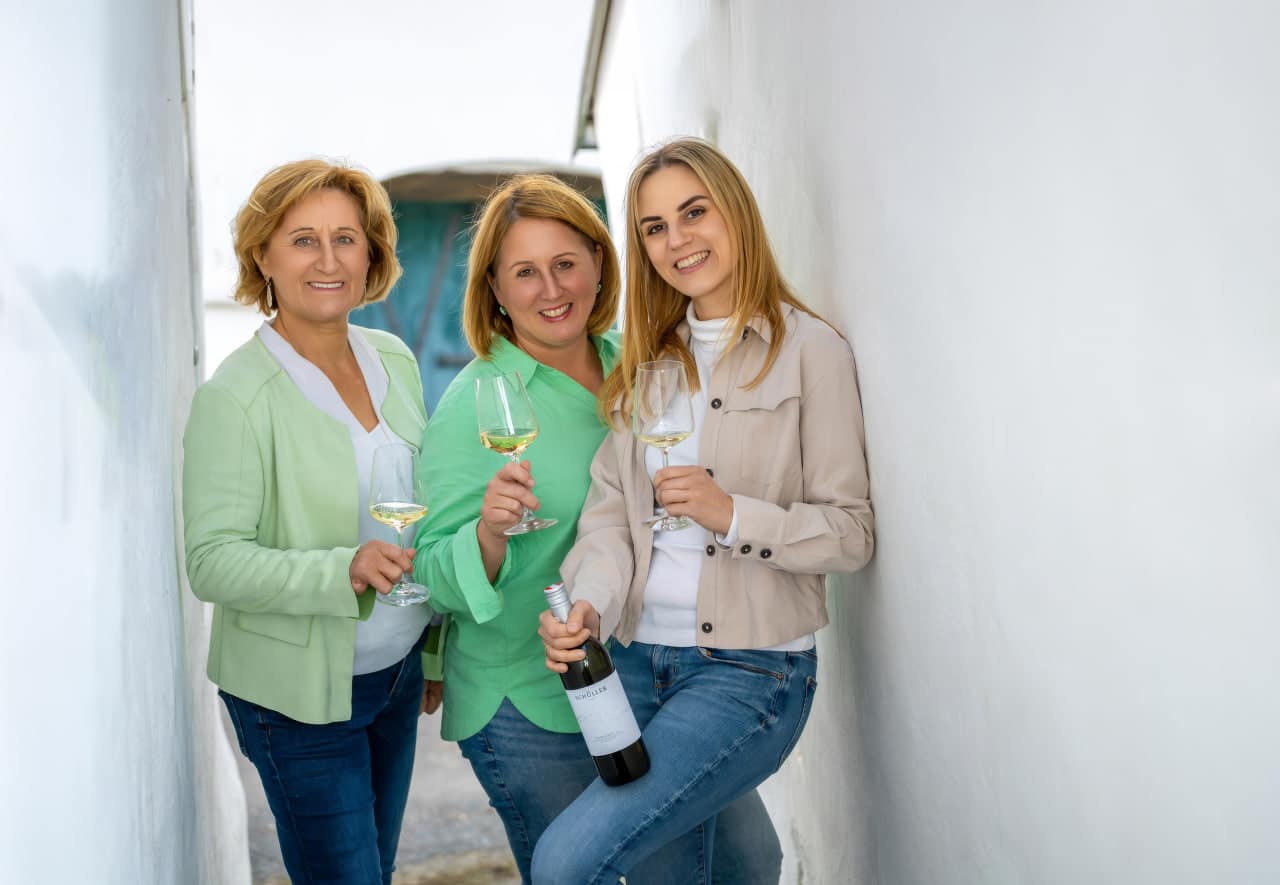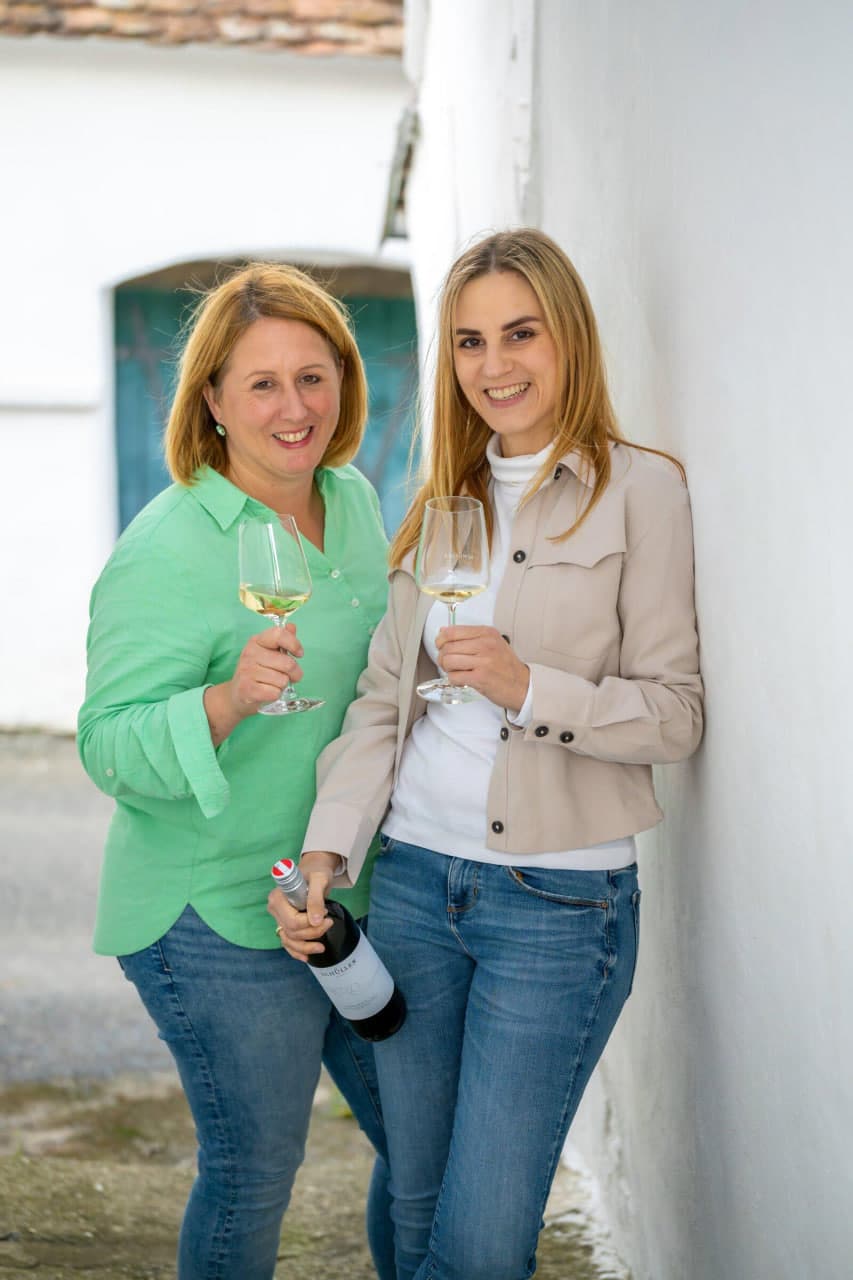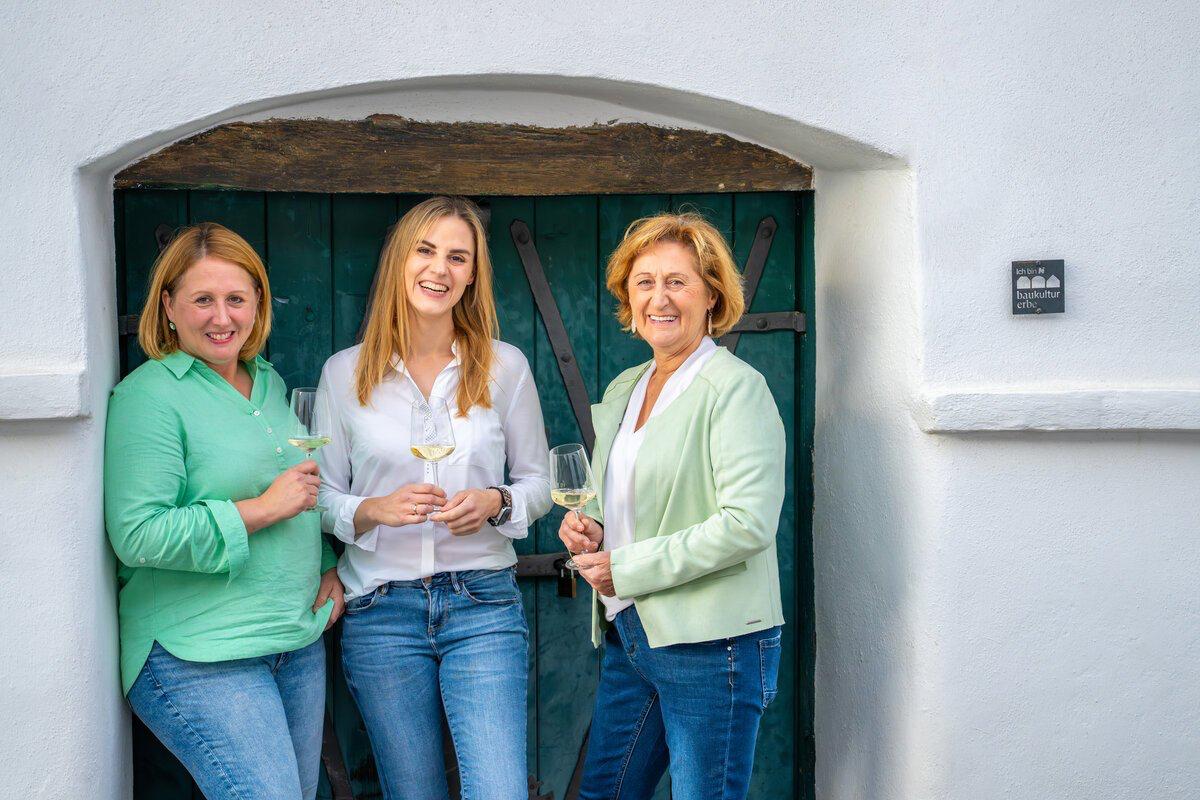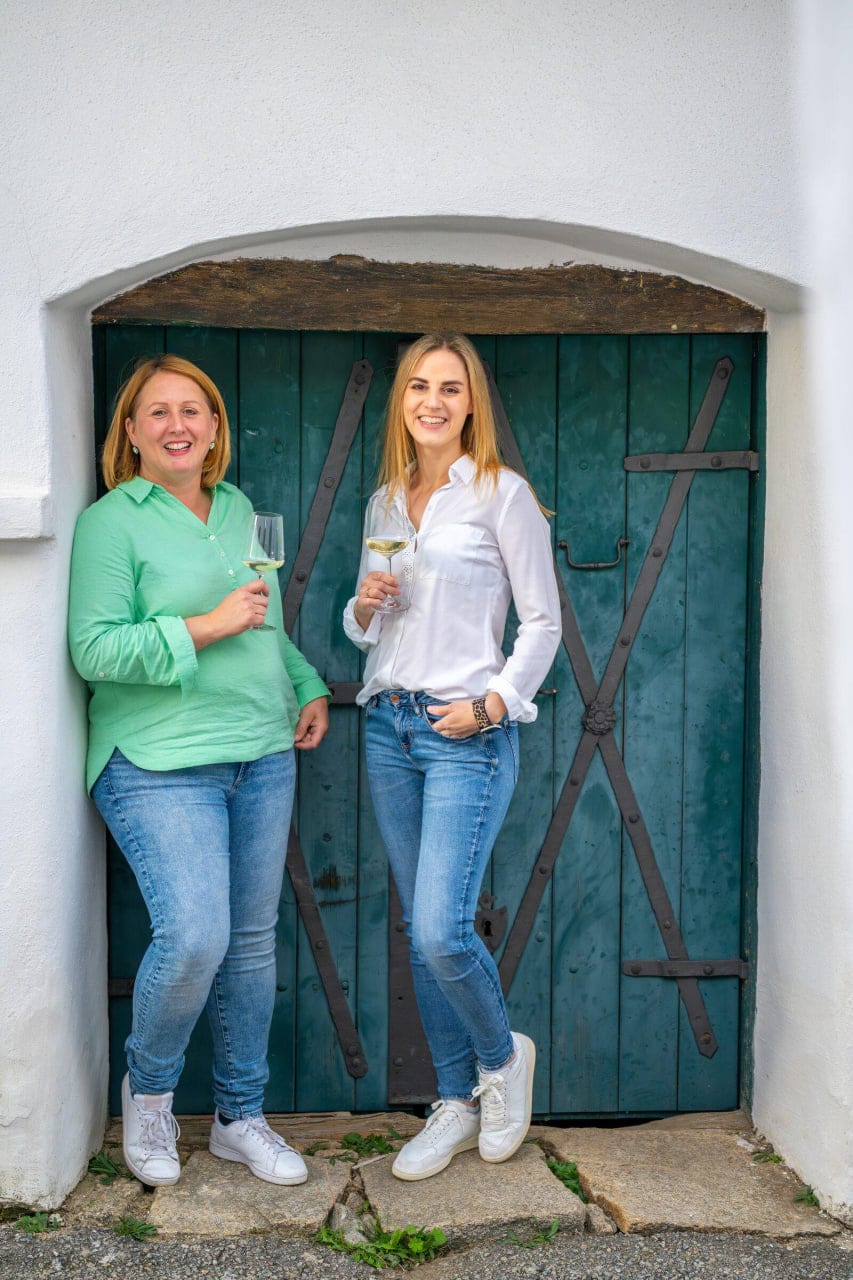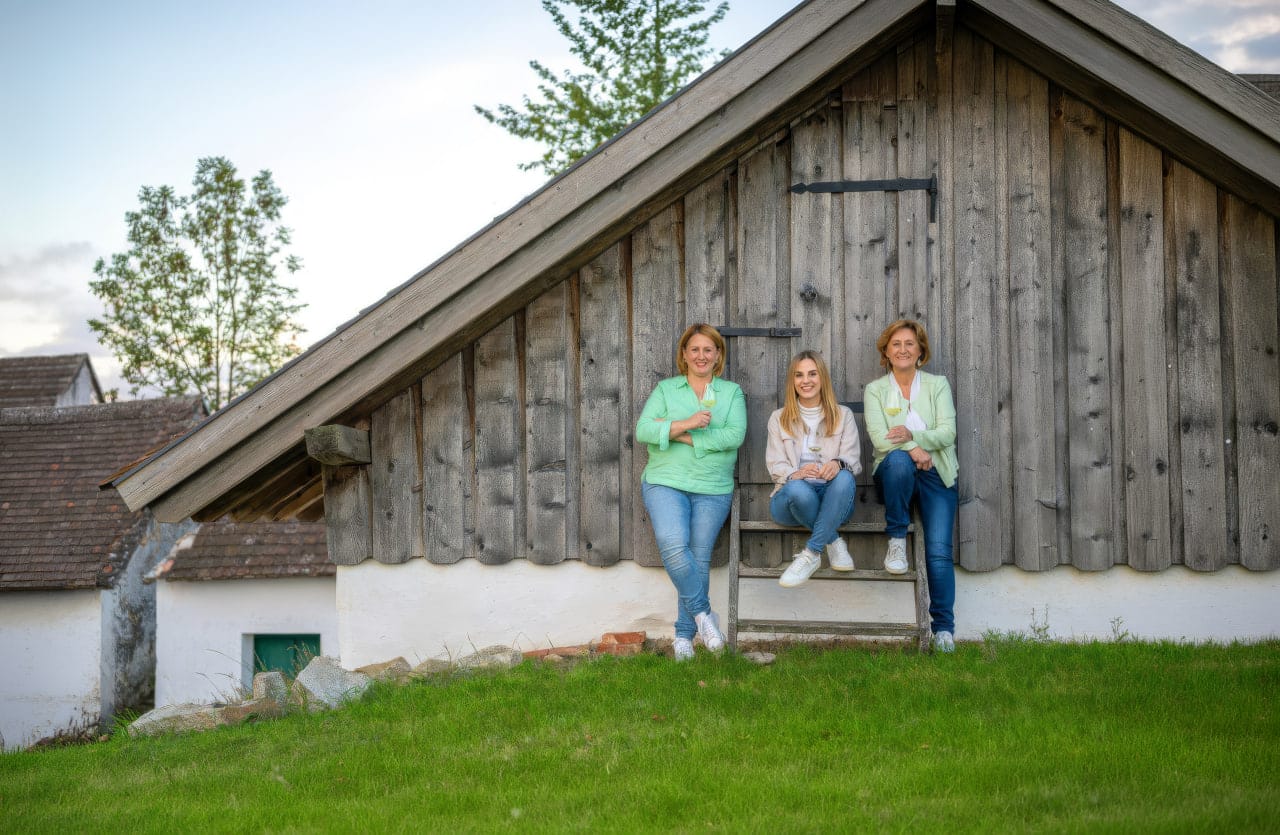
helga Schüller

At Weingut Schüller in Pillersdorf, her presence runs through the story of the family like a strong hidden thread. Vines, work, daughters, grief, duty, love of the land — all of it meets in her. This is the portrait of a woman who kept a winery alive when the years turned heavy, who brought her daughters up inside that living tradition, and who handed them something far greater than an estate: a legacy shaped through effort, sacrifice, and days that demanded everything


The sentence that lives at the heart of the family says everything: “Geht ned, gibt’s ned.” Austrian dialect. Four words. One philosophy. There is always a way. For Helga, this was never a decorative motto placed beside a family portrait. It was the code by which she lived.

She grew up in a life where work was woven into every season. Nothing was separate. Family, land, duty, routine — all of it belonged together. After marrying Josef Schüller in 1983, she stepped fully into the life that would define her. Their daughters, Kerstin and Nadine, were born into that same rhythm, and through the years the family enterprises were reshaped into what became Weingut Schüller. Then came the blow that could have changed everything.

Josef fell gravely ill at the age of forty-two and lost his sense of smell and taste — an almost cruel fate for a winemaker.

Years later, Helga faced the greater pain of losing him entirely. In that moment, the family stood before a question that many businesses never survive: Who will carry this forward now?

Helga answered without theatre. Without noise. Without self-pity. She did the work.

She kept the winery alive. She raised her daughters. She protected the structure of family life. She continued through years that asked for stamina most people never have to discover in themselves. What might have become a story of collapse turned into a story of continuity.

And at her side stood another woman whose place in this family history cannot be separated from Helga’s own: her mother, Elfriede. In the most difficult chapter, she became shelter, help, and constancy — caring for the children, standing near, holding things together in ways that are often left out of official history, yet shape everything that comes after.

That is how this legacy moved from one generation to the next. Not through speeches. Through presence. As Kerstin and Nadine grew older, they entered the winery themselves. What Helga had protected through hardship slowly became a shared path between mother and daughters. The family did not fracture under pressure. It closed ranks.

There is something especially moving in the way Helga’s daughters speak of her. They do not describe a woman of empty phrases. They describe a woman who taught by example. Work properly. Stand upright. Stay kind. Say hello. Say thank you. Defend yourself when needed. Keep your word. Do not be afraid of effort.

These are not fashionable lessons. They are lasting ones.

They remember a mother who spent decades travelling, selling the family wines, giving herself fully to a business she believed in. A woman who showed them that strength does not always arrive in dramatic form. Sometimes it looks like getting up early. Carrying worry in silence. Solving one problem after another. Refusing to let hardship become the final voice in the room.

Yet the real beauty of Helga’s story lies here: through all the weight she carried, the family kept its warmth. Her daughters speak of closeness, trust, humour, and that rare feeling of being safe inside one another’s presence. That may be her finest achievement of all. Many people can preserve a business on paper. Far fewer can preserve the emotional life inside it.

Helga did both.

Today, Weingut Schüller stands as a women-led family estate shaped by memory, discipline, affection, and continuity. The mother held it together. The daughters stepped in. The grandmother helped steady the foundation.

And now the next generation already waits in the wings.

This is why Helga Schüller leaves such a strong impression. She did not carry only responsibility. She carried atmosphere. Values. Standards. A way of being. She taught her daughters to look ahead, even in dark seasons. To search for light. To keep faith with their work. To keep faith with one another.

And in the end, that may be the true inheritance. Not the winery alone. The woman who made its future possible.

FIND ME HERE